El Niño Weather Patterns: NOAA's Latest Outlook for the Upcoming Winter
Here's the thing: El Niño isn't just a weather term anymore; it's a trend that's been dominating headlines recently. And with good reason. According to the latest updates from the National Oceanic and Atmospheric Administration (NOAA), this weather phenomenon is poised to significantly influence the upcoming winter months. So, let's dive into what this means for the U.S. and beyond, and why it's got everyone talking.
Understanding the Impact of El Niño on the U.S. Winter Outlook
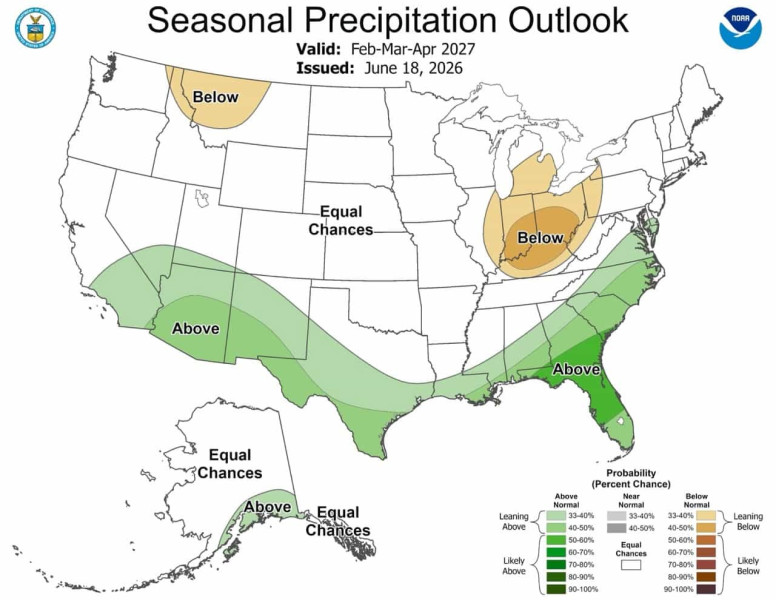
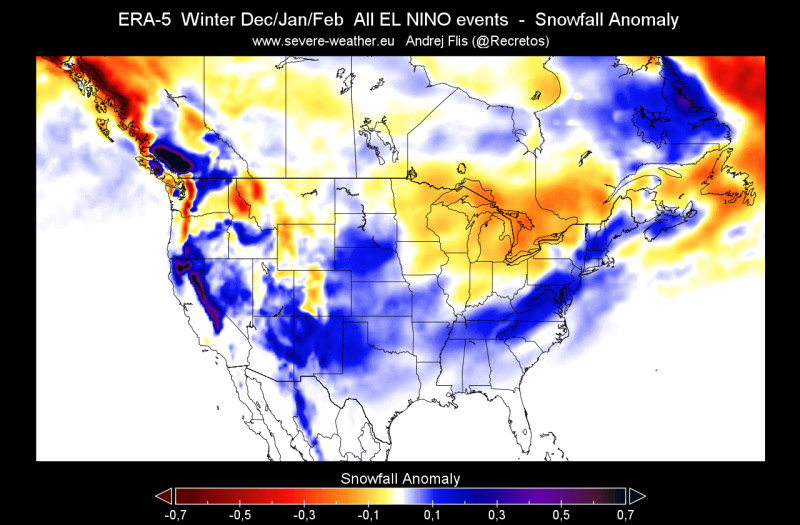
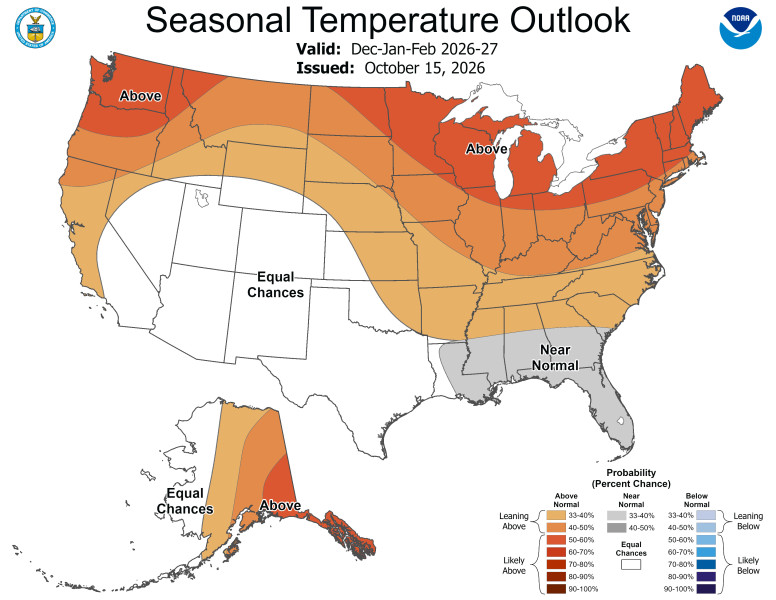
First things first, let's talk about what's happening. NOAA's U.S. Winter Outlook, released recently, highlights the potential impacts of El Niño on the upcoming winter season (December 2026 to February 2027). According to the report, warmer-than-average temperatures are expected across the northern U.S. This means folks in the northern regions might be in for a surprisingly mild winter, which could come as a relief for those who dread the cold. Look, a winter without snow might seem odd, but it could be a boon for ski resorts, which are already dealing with the challenges of climate change.
Now, it's not all sunshine and warmth up north. The south is likely to face wetter-than-average conditions. This means a higher-than-average rainfall is expected from California to Florida, and along the Eastern Seaboard, according to NOAA. That might sound like a lot of rain, but it's actually good news for areas plagued by drought. Drought conditions are likely to improve for the majority of the regions affected recently, which is a relief for farmers and water managers alike.
El Niño and La Niña: More Than Just Weather Patterns
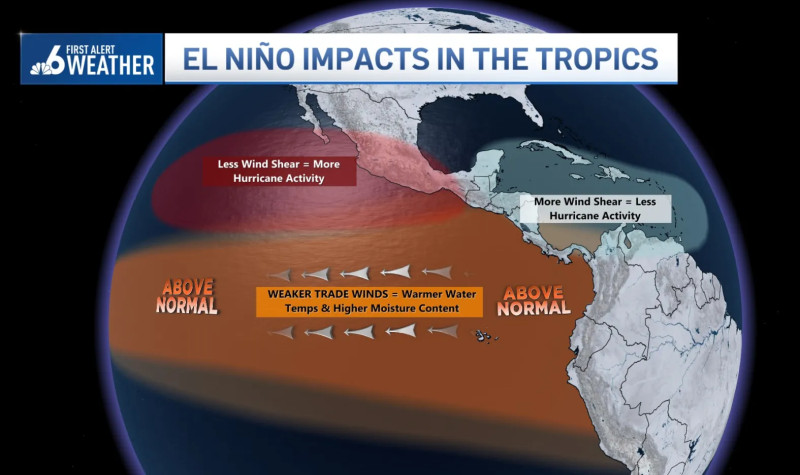
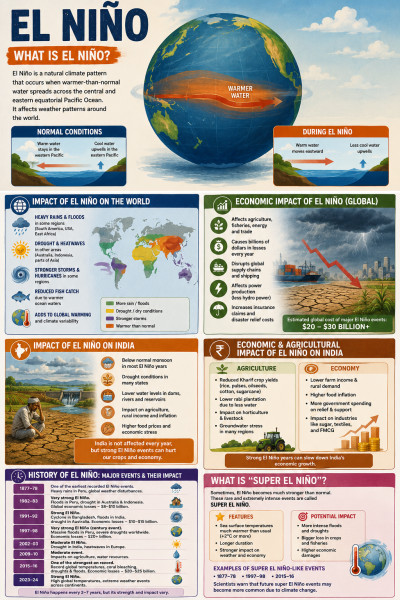
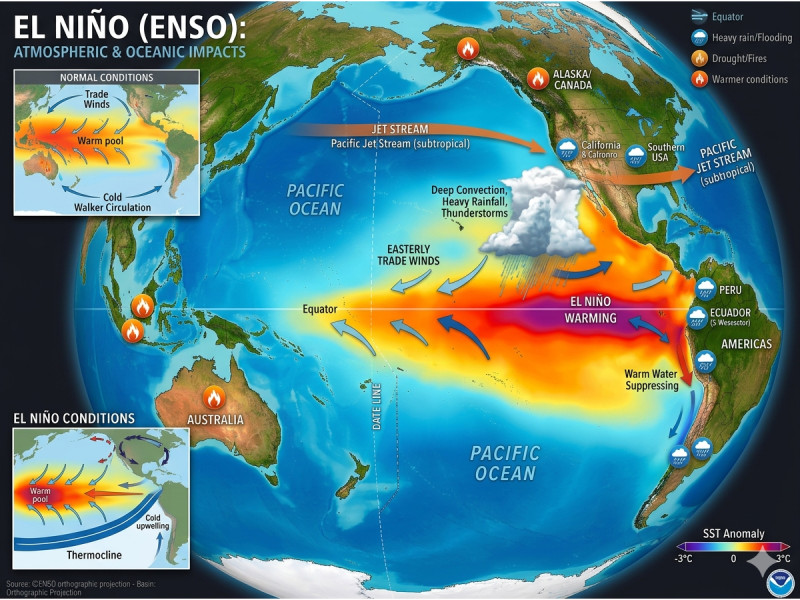
Let's break it down. The Pacific Ocean's El Niño-Southern Oscillation (ENSO) is one of the most influential climate drivers on Earth. Its cycles of warm and cool waters in the central and eastern equatorial Pacific alter where ocean heat is released into the atmosphere, influencing atmospheric circulation, temperatures, precipitation, and other weather events that affect everything from agriculture to wildfires and marine ecosystems.
So, how does this all play out? El Niño and La Niña are the warm and cool phases of the ENSO, respectively. These phases bring predictable changes in ocean temperature and disrupt the normal wind and rainfall patterns across the tropics. These changes can have far-reaching effects, influencing everything from hurricane activity to food security and public health. It's a complex system, but understanding it can help us prepare for the impacts.
The Climate Prediction Center, part of NOAA, provides weekly updates on oceanic and atmospheric conditions. These updates are crucial for predicting the onset and strength of El Niño and La Niña events. This information is essential for industries ranging from agriculture to energy, as it helps in planning and mitigating potential risks.
The Science Behind El Niño and La Niña
To understand the science, let's dive a bit deeper. The ENSO cycle is a natural climate pattern that shifts irregularly every two to seven years. During an El Niño event, the central and eastern tropical Pacific Ocean warms up, leading to a range of weather anomalies. These anomalies can disrupt normal weather patterns, leading to more frequent and intense storms in some regions and drought in others. La Niña, on the other hand, brings cooler waters to the region, often leading to different but equally significant weather impacts.
Sound familiar? You've probably heard about these patterns before, but the current forecasts suggest that we're in for a strong El Niño event. This event is expected to last through the winter, with high confidence, according to NOAA's North American Multi-Model Ensemble forecasts. This forecast indicates an El Niño condition for the Northern Hemisphere fall and winter 2026-27, with a higher than 83% chance of a strong-to-very strong El Niño through January-March 2027.
Looking at the bigger picture, El Niño events can also influence global weather patterns, affecting regions far beyond the Pacific. For instance, the impacts can be felt in Africa, South America, and even parts of Asia. This is why the latest forecasts are crucial for international planning and preparedness. Preparing for these impacts involves a combination of early warning systems, resource allocation, and public awareness campaigns. Check out latest-headlines.com for more on how governments and organizations are preparing for these events.
The Future of Climate Prediction
Here's where it gets interesting. The science of climate prediction is advancing rapidly. With better models and increased data collection, we're getting more accurate forecasts. This means we can better predict the onset and intensity of El Niño and La Niña events, giving us more time to prepare. The Climate Prediction Center, along with other research institutions, provides detailed forecasts and expert discussions that are essential for understanding the current state of ENSO and its potential impacts.
But it's not just about the forecasts. The real challenge lies in understanding and mitigating the impacts of these events. For example, scientists are working on better ways to predict how El Niño will affect agriculture, wildfires, and marine ecosystems. This involves a combination of advanced modeling, real-time data collection, and on-the-ground observations. The goal is to provide actionable insights that can help communities and industries adapt to the changing climate. The latest updates from the Hong Kong Observatory and the World Meteorological Organization (WMO) provide a comprehensive resource for understanding the current state of ENSO and its potential impacts.
"El Niño is a complex phenomenon that affects weather patterns globally, and understanding its cycles is crucial for preparing for its impacts," says NOAA. El Niño and La Niña are key drivers of global climate variability, and their impacts are far-reaching, affecting everything from agriculture to public health.
Here's an interesting aside: The impacts of El Niño are not just limited to weather patterns. They can also influence global markets, energy prices, and even geopolitical stability. For instance, during an El Niño event, food prices can spike due to disruptions in agricultural production, leading to potential economic and social unrest. This is why understanding the science behind El Niño is not just about predicting the weather, but also about preparing for a range of potential impacts. The latest updates from NOAA Climate.gov and the International Research Institute (IRI) provide a comprehensive view of the current ENSO conditions and their potential impacts, including forecasts and detailed analysis.
How does this story make you feel?
 Up next · WorldPanic at Ontario Mills: A Juvenile Arrested After Mall Shooting