SpaceX Rocket Launch: A Milestone Mission from Vandenberg
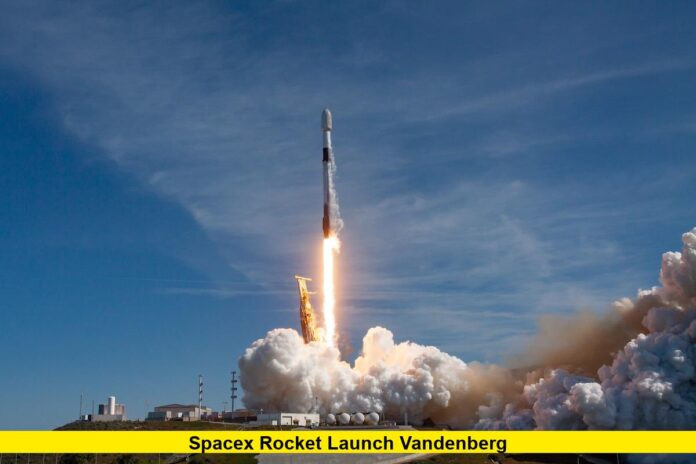
In the ever-evolving world of space exploration, SpaceX's latest SpaceX rocket launch from Vandenberg Space Force Base has once again captured global attention. The recent mission, which involved the deployment of 24 Starlink satellites, is part of SpaceX's ongoing efforts to expand its space-based internet service, aiming to connect remote and underserved areas worldwide.
The Launch: A Technical Marvel
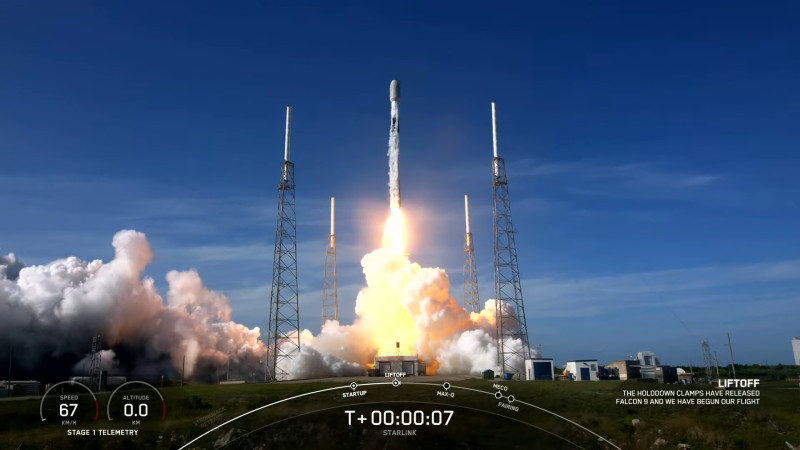
Here’s the thing: this launch is significant for more than just the satellites it carried. The Falcon 9 rocket, SpaceX’s workhorse, continues to demonstrate its reliability and efficiency. The launch took place from Space Launch Complex 4E (SLC-4E) at Vandenberg Space Force Base, a key site for SpaceX's operations. The mission, which was live-streamed for enthusiasts and scientists alike, showcased the precise engineering and operational prowess of SpaceX.
Vandenberg Space Force Base, located on the central California coast, is renowned for its strategic advantages for polar and sun-synchronous orbits. This makes it an ideal location for missions like the recent Starlink deployment, which requires specific orbital parameters to ensure global coverage.
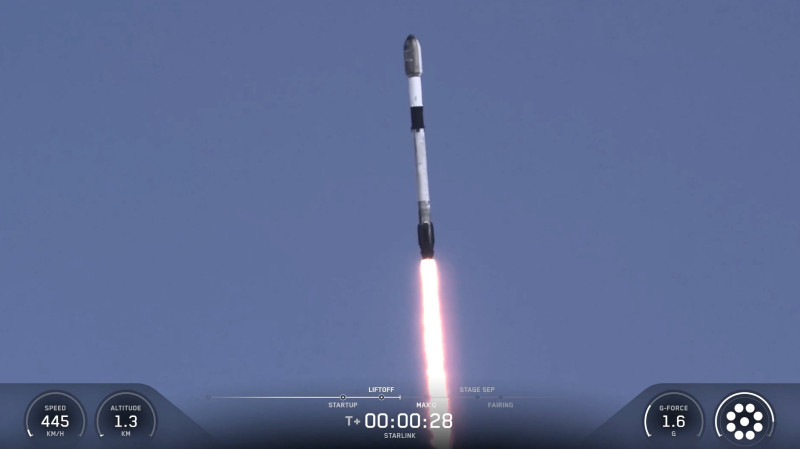
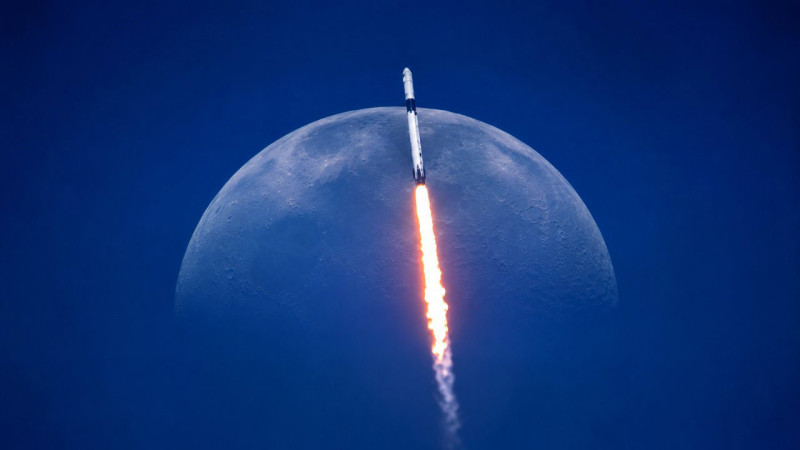
The launch itself was a spectacle, with the Falcon 9 rocket soaring through the atmosphere, leaving a trail of fire and smoke. The first stage of the rocket successfully landed back on Earth shortly after liftoff, marking another successful recovery for SpaceX. This reusable technology is a cornerstone of SpaceX’s mission to make space travel more accessible and cost-effective.
Sound familiar? If you’ve been following SpaceX’s journeys, you know that these milestones are part of a larger narrative aimed at revolutionizing space technology and enabling humanity to become a multi-planetary species.
The Impact: Connecting the World
But here’s where it gets even more interesting. The 24 Starlink satellites launched recently are part of a broader constellation that aims to provide high-speed internet access globally. This is a game-changer for remote and underserved communities, where traditional internet infrastructure is often lacking or nonexistent.
SpaceX’s Starlink project is not just about technology; it’s about bridging the digital divide. Imagine villages in the Amazon rainforest or remote islands in the Pacific suddenly having access to the same internet speeds as major cities. This is the kind of impact SpaceX is aiming for, and it’s a vision that resonates with many who see the potential for global connectivity.
But let’s not forget the human element. The teams behind these missions, from the engineers to the mission control experts, are the unsung heroes making these launches possible. Their dedication and innovation are what drive SpaceX’s success.
Next Steps: What's on the Horizon?
Look, the space industry is always moving forward, and SpaceX is at the forefront. With over 127 scheduled launches in the pipeline, the future is bright for SpaceX and its ambitious goals.
"The recent launch from Vandenberg is just the beginning. We are continuously pushing the boundaries of what’s possible in space exploration," said a SpaceX spokesperson. "Our goal is to make space accessible, reliable, and affordable for everyone. It’s an exciting journey, and we’re just getting started.".
And then — get this — there’s talk of even more ambitious projects, including Mars missions and further advancements in reusable rocket technology. The possibilities seem endless, and with each launch, SpaceX inches closer to its ultimate goal of enabling human life on other planets.
If you’re a space enthusiast, now is the time to stay tuned. The next SpaceX launch could be just around the corner, and with it, a new chapter in the story of space exploration.
How does this story make you feel?
 Up next · TechPlayStation Direct Launches Marvel's Wolverine PS5 Limited Edition Bundle