SpaceX's Latest Launch Sends 27 Starlink Satellites into Orbit
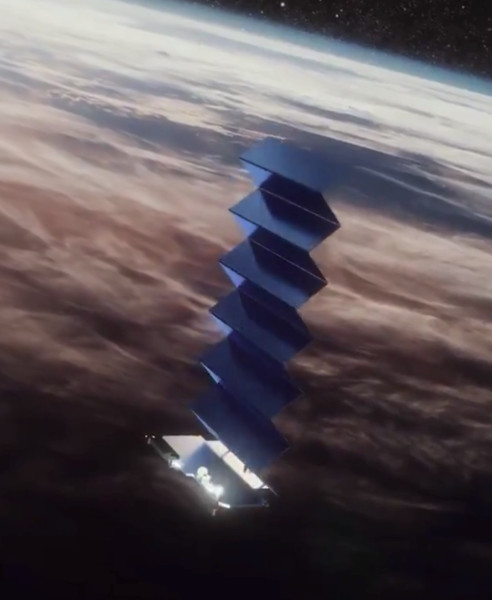
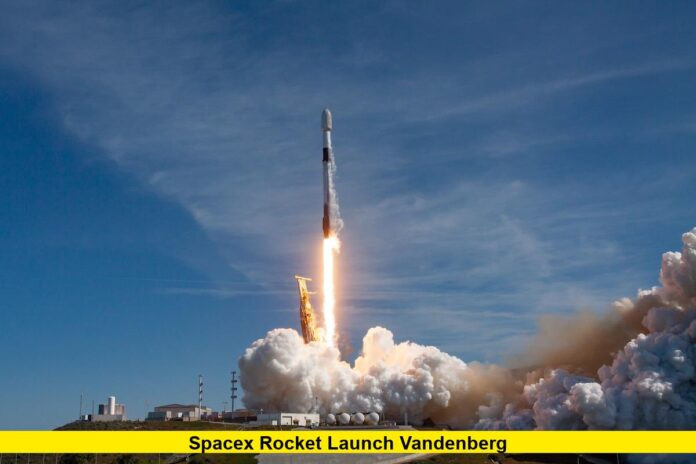
In recent times, SpaceX successfully launched a Falcon 9 rocket carrying a batch of 27 Starlink V2 Mini satellites into low Earth orbit. Fueling a surge in internet connectivity from space, this mission marks another milestone in SpaceX's ambitious satellite internet project.
Falcon 9's 24th Launch: A Test of Reusability
The Falcon 9 rocket, identified by its tail number B1082, embarked on its 24th mission. The first-stage booster, designed for reusability, landed safely, showcasing SpaceX’s technological prowess in reducing the cost of space travel. The landing is a testament to SpaceX's mission to make space travel more affordable and accessible.
Starlink Fleet Expansion: Bridging the Digital Divide
The Starlink constellation continues to grow rapidly. Each new batch of satellites, like the 27 sent up recently, enhances the network’s coverage and capacity. The goal is to provide high-speed, low-latency internet access to remote and underserved areas globally.
Starlink's rapid expansion reflects the broader push to bring high-speed internet access to every corner of the globe. The company has been working tirelessly to achieve this goal.
SpaceX has also been enhancing its rockets with improved thrust and efficiency. The Falcon 9 and Falcon Heavy rockets are the workhorses of this mission, but the Starship is the next big leap in space travel. With its massive capacity and reusability, Starship aims to revolutionize space exploration and commerce by taking payloads and people beyond Earth’s orbit.
To ensure that enthusiasts and professionals alike keep up with the latest developments, SpaceX provides real-time updates through platforms like YouTube. The company's official YouTube channel has become a go-to resource for live streams, mission details, and post-launch analyses.
For those seeking a comprehensive view of SpaceX's activities, platforms like Spaceflight Now offer detailed coverage of all launches, including the recent Falcon 9 mission that sent 27 Starlink satellites into orbit.
“The success of this mission underscores SpaceX's commitment to innovation and sustainability in space travel,” said a SpaceX spokesperson. “The ability to reuse rockets significantly reduces costs and opens up new possibilities for space exploration”.
SpaceX's launch schedule is tightly managed, and the next mission is already on the horizon. The company's constant innovation is driven by its vision to make life multiplanetary, a goal that involves not just launching satellites but also developing the technology to enable human habitation on other planets.
With a packed launch schedule and a clear vision for the future, SpaceX is poised to continue its trajectory of groundbreaking achievements. The next launch, set to further enhance the Starlink constellation, will be one to watch for.
How does this story make you feel?
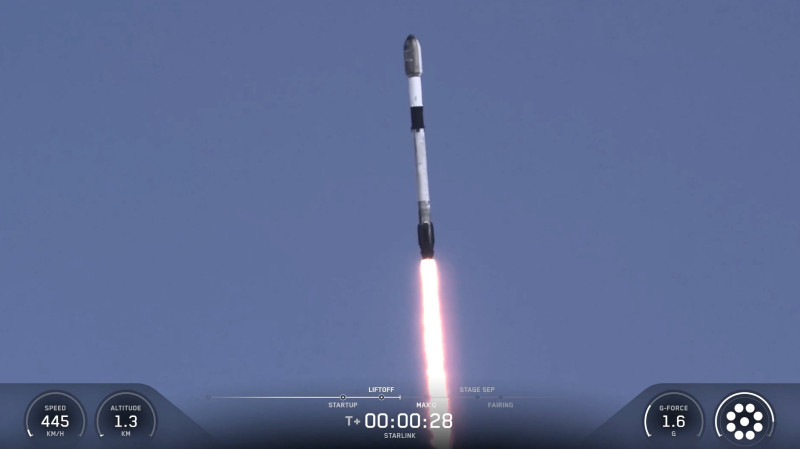 Up next · TechSpaceX Falcon 9 Rocket Launches Starlink Satellites Today