Day 11 of Clancy Trial Focuses on Mental Health and Medication Concerns
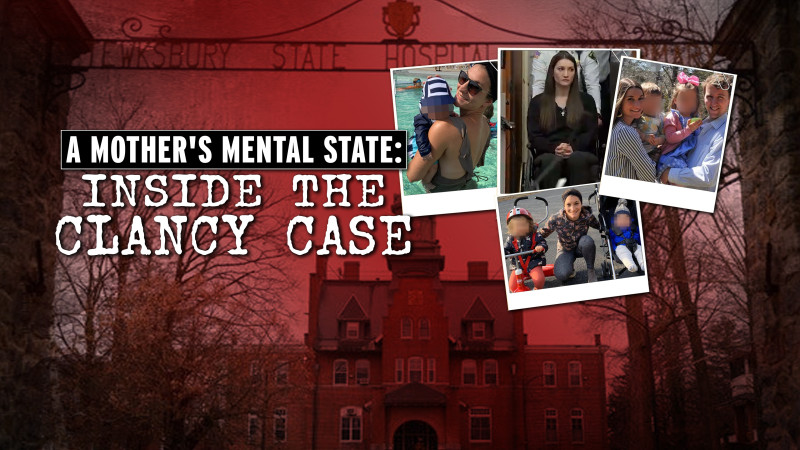
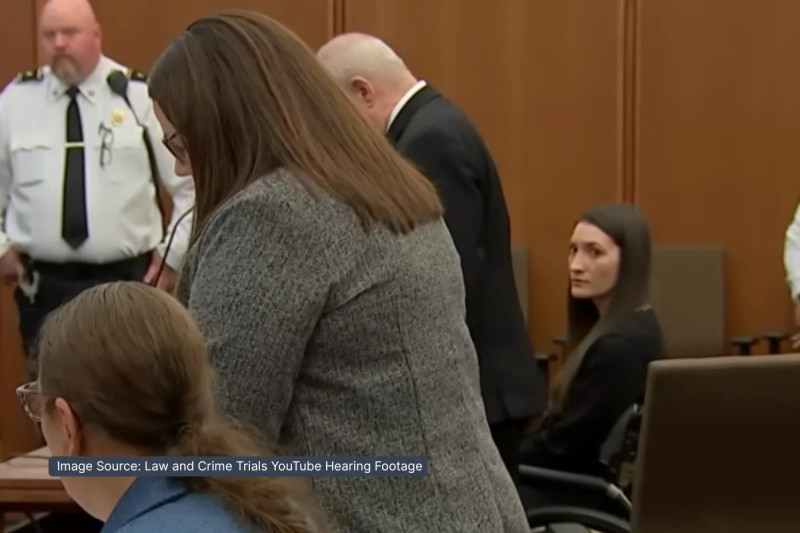
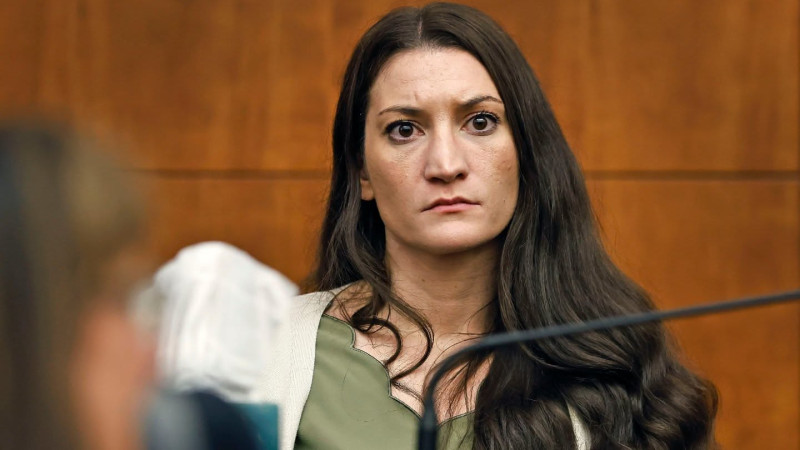
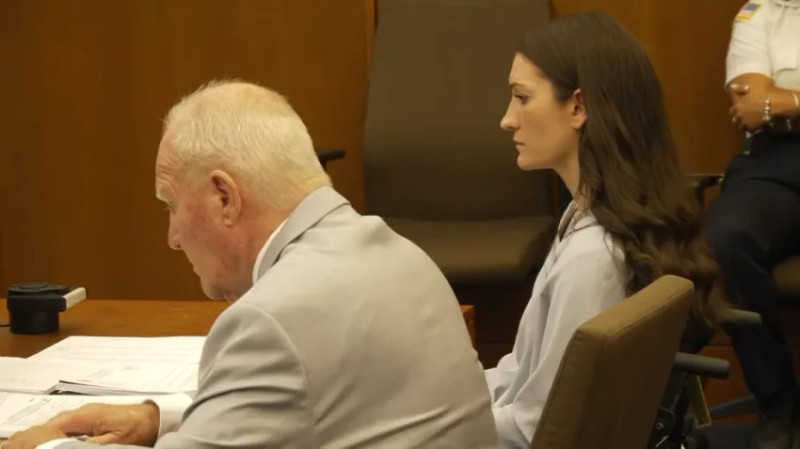
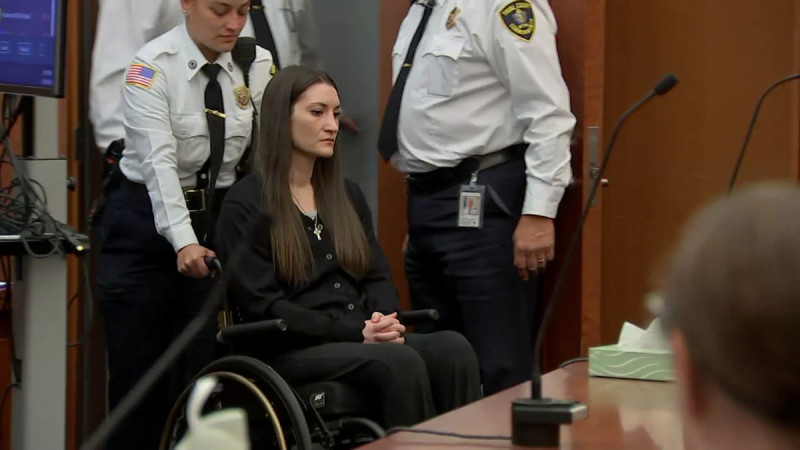
The courtroom in Plymouth, Massachusetts, was a hive of anticipation. The atmosphere was tense, the air thick with a mixture of curiosity and unease. A wheelchair-bound figure, Lindsay Clancy, sat in the dock, her presence commanding attention despite her physical immobility. The eleventh day of her murder trial was unfolding, with the spotlight firmly on her mental health and the treatment she received in the lead-up to the tragic events that have gripped the nation.
Psychiatric Nurse and Expert Testimonies
The court heard from psychiatric nurse practitioner Rebecca Jollotta, who provided insights into the complex mental health landscape surrounding Clancy's treatment. Jollotta's testimony focused on the intricate interplay of hormonal changes, lack of sleep, and physical exhaustion—a cocktail of factors that can culminate in postpartum depression, experienced by many new mothers.
Jollotta’s account was met with a mixture of empathy and scrutiny. "This is a serious condition, and it requires delicate, personalized care," Jollotta emphasized. Her words underscored the gravity of Clancy’s situation and the critical need for comprehensive mental health support.
Clancy's lawyer, in a strategic move, questioned the standard of care provided by her psychiatrist, hinting at potential lapses that might have contributed to the tragic outcome. "The psychiatrist's oversight is a matter of grave concern," the lawyer asserted, his tone somber and deliberate. This line of questioning brought the court’s focus sharply onto the medication concerns and the treatment protocols that were in place.
Medication Concerns and Overmedication Risks
Day 11 of the trial also brought to light the medication concerns surrounding Clancy's treatment. Testimony from a healthcare provider revealed that there were concerns about overmedication, but these were not communicated effectively between different programs involved in her care. The provider stated, "I was unaware that another program had flagged concerns about overmedication," a revelation that sent ripples through the courtroom.
This revelation underscored the complexities and potential pitfalls in managing mental health, especially in cases involving multiple healthcare providers and programs. The courtroom was gripped by the implications of these disclosures, with the jury’s expressions ranging from bewilderment to concern. One juror, leaning in to whisper to a colleague, commented, "It’s a frightening thought—how easily things can fall through the cracks."
The court also heard from a hospital chaplain, who testified that Clancy had described hearing a male voice telling her to kill her children and then herself. This chilling account left the courtroom in stunned silence, adding a layer of horror to the proceedings.
Expert Witness on Postpartum Psychosis
The defense team is expected to call an expert witness on postpartum psychosis later in the trial. This move aims to provide a deeper understanding of the psychological turmoil that Clancy may have experienced. The expert is anticipated to shed light on the distinction between postpartum depression and the more severe condition of postpartum psychosis, which can include hallucinations and delusions.
The courtroom was abuzz with speculation about this upcoming testimony. One observer remarked, "It’s a delicate balance—trying to understand the mind of someone who has gone through such a harrowing experience."
As the day drew to a close, the courtroom was left with a heavy, palpable silence. The door to the courtroom closed behind the last of the spectators, leaving only the echoes of the day’s revelations. The trial continues, but for now, the silence speaks volumes about the complexity and tragedy of Lindsay Clancy's journey.
How does this story make you feel?
 Up next · WorldLindsey Clancy's Murder Trial: Day 11 Unveils New Details, Defense Focuses on Psychiatric Care