North Korea Ballistic Missiles Launch: A Tense Incident in the Korean Peninsula
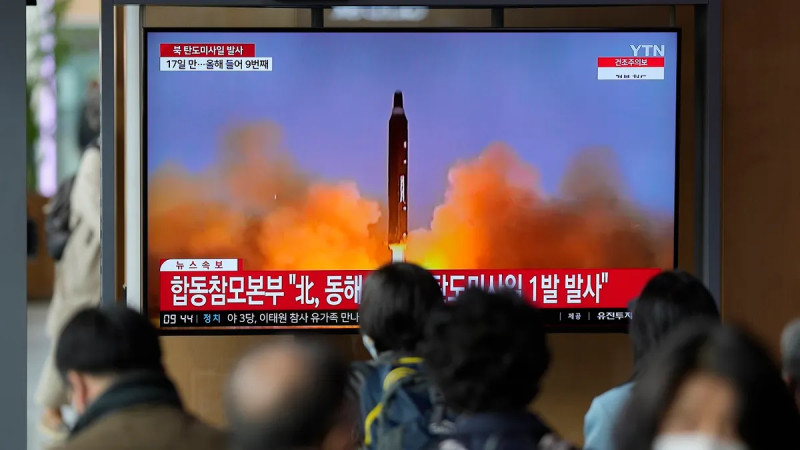
North Korea has once again thrust itself into the global spotlight, triggering a fresh wave of tension and speculation. The isolated nation, known for its unpredictable behavior, has recently conducted a series of short-range ballistic missile launches, intensifying regional anxieties and drawing international scrutiny. These developments mark a significant escalation in North Korea's military activities, raising questions about the country's strategic intentions and the potential for further destabilization in the region.
Recent Ballistic Missiles Launch: A Show of Force
The launch of several short-range ballistic missiles by North Korea represents a bold move, signaling a defiant stance against international pressure and sanctions. This incident, which occurred shortly after former U.S. President Donald Trump expressed his intention to reopen talks with Kim Jong Un, underscores the volatile nature of geopolitics in the Korean Peninsula. The missiles were detected by both South Korea and Japan, which immediately issued alerts to their respective populations, highlighting the regional impact of North Korea's actions. This incident is part of a broader pattern of North Korean military activities, which have been ongoing for several weeks, intensifying the already tense atmosphere.
Geopolitical Implications of the Missile Launches
The ballistic missiles launches by North Korea are not only a technical feat but also a calculated political maneuver. This bold move comes at a critical time, as the world grapples with various geopolitical tensions. The launches have heightened concerns about the stability of the Korean Peninsula, a region already under immense pressure due to the ongoing conflict in Ukraine. The Ukrainian President Volodymyr Zelenskiy recently claimed that Pyongyang plans to send up to 50,000 more troops to Russia, adding another layer of complexity to the global security landscape. Such developments further complicate international efforts to stabilize the region, as North Korea continues to flout international sanctions and push the boundaries of its military capabilities.
Regional Responses and International Reactions
The international community has reacted swiftly to North Korea's recent actions, with countries like South Korea and Japan leading the charge in condemnation and preparedness. The United States, meanwhile, has maintained a cautious stance, emphasizing the need for diplomatic engagement while reinforcing its military presence in the region. The missile launches have also sparked discussions about the effectiveness of international sanctions and the need for renewed diplomatic efforts to curb North Korea's aggressive behavior. The European Union, Russia, and China, major players in the global arena, have all issued statements, reflecting a mix of concern, condemnation, and calls for dialogue.
Expert Insights: Unraveling North Korea's Strategic Calculations
North Korea's actions are a deliberate tactic to test the resolve of the international community and to assert its military capabilities. These launches are not just about showcasing their technological advancements but also about leveraging the military prowess as a bargaining chip in future negotiations.
The recent ballistic missile launches are reflective of a broader strategy by North Korea to assert its military prowess and test the resolve of the international community. The isolated nation's actions are not merely about showcasing technological advancements but also about positioning itself as a formidable player in regional and global politics. According to experts, North Korea's missile launches are a calculated move to leverage its military capabilities as a bargaining chip in future negotiations, potentially influencing the geopolitical dynamics of the Korean Peninsula and beyond.
The question that continues to haunt analysts and policymakers alike is: What next for North Korea? As the region braces for potential further escalations, the international community finds itself at a crossroads, torn between the need for diplomatic engagement and the imperative for maintaining security. The recent missile launches serve as a stark reminder of the unpredictable nature of North Korea's regime and the ongoing challenges in achieving lasting peace and stability in the Korean Peninsula. Will the international community rise to the challenge, or will the tensions continue to simmer, threatening to boil over into a full-blown crisis? The road ahead is fraught with uncertainty, leaving the world to ponder the next move in this complex geopolitical chess game.
How does this story make you feel?
 Up next · WorldFury Unleashed: Long Island Braces for Aftermath of Deadly Tornado