Trump’s Latest Move: South Korea in the Crosshairs of Military Policy Shift
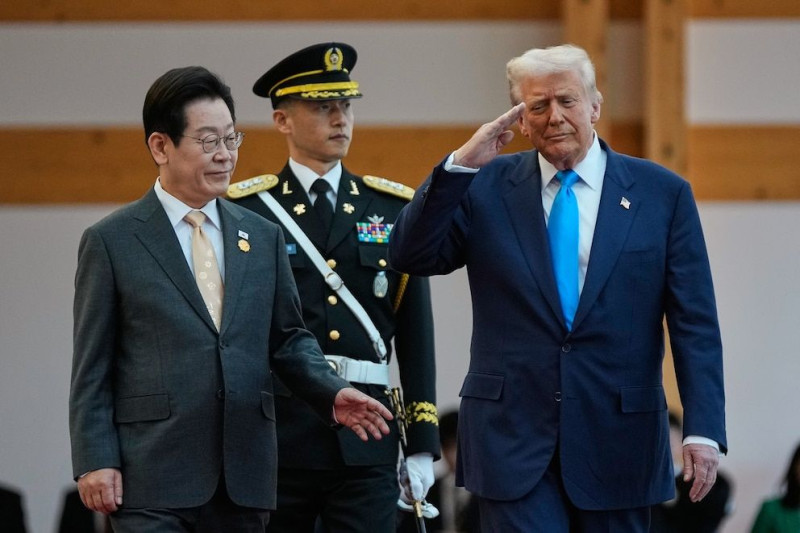
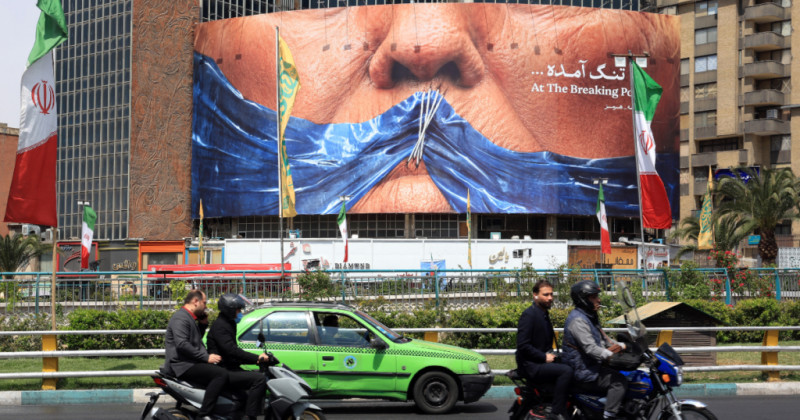
Like a sudden storm on the diplomatic horizon, Donald Trump's recent directive to the Pentagon has sent ripples through the geopolitical landscape. The former U.S. President's order to substantially reduce joint military exercises with South Korea, a longstanding ally, is not just a tactical adjustment but a seismic shift with far-reaching implications. The decision, which came amidst a flurry of social media updates, has set the stage for a new chapter in the relationship between Washington and Seoul. Trump's move reflects a broader strategy that blends personal diplomacy with military strategy, and a reassessment of long-held alliances in the face of evolving global power dynamics, particularly in the context of North Korea and Iran
Trump’s Strategic Rationale: A New Diplomatic Calculus
The reduction of military exercises comes amid a backdrop of complex geopolitical maneuvering. Trump’s decision is rooted in his unique approach to international relations, where personal diplomacy and strategic alliances often intersect. The President cited his "very good relationship" with North Korean leader Kim Jong Un, suggesting that it is a key factor in his decision to reduce joint military exercises with South Korea. This move aligns with Trump’s broader vision of diplomacy, where direct communication and personal rapport with world leaders are seen as critical to achieving stable and peaceful outcomes. Trump's approach, however, has sparked debate among experts and analysts, who question the efficacy and long-term impact of such personal diplomacy, especially in the absence of concrete agreements or actions from North Korea.
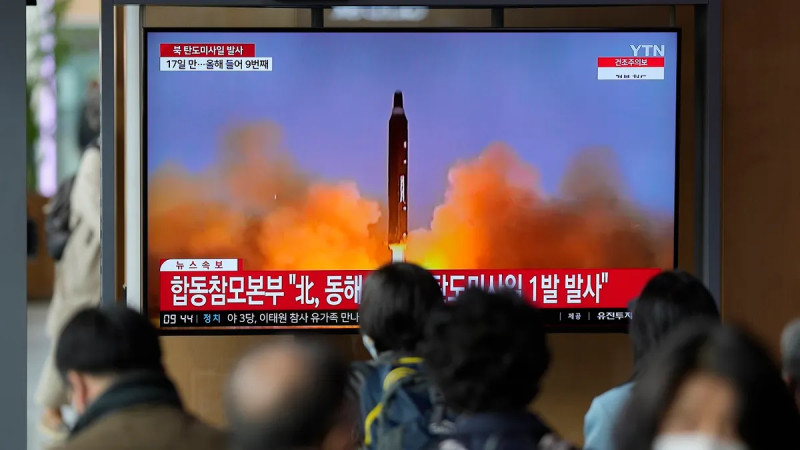
Trump’s approach to alliances, particularly in the context of North Korea, has been a subject of scrutiny. The reduction in military exercises is seen as a strategic move to ease tensions on the Korean Peninsula, but it also raises questions about the future of U.S.-South Korea military cooperation. This move comes as North Korea has shown increased military activity, including recent missile tests, further heightening the tension in the region. The decision to scale back military exercises is also influenced by South Korea's decision not to assist in the Iran conflict, a move that Trump sees as a potential breach of alliance commitments. The decision to reduce military exercises is also influenced by South Korea's decision not to assist in the Iran conflict, a move that Trump sees as a potential breach of alliance commitments. This strategic shift underscores Trump's willingness to reassess traditional alliances in the face of evolving geopolitical challenges, particularly as it relates to North Korea and Iran.
The Impact on Allies and the Region: Uncertainty and Opportunity
The direct impact on South Korea is profound, as the reduction of military exercises could alter the balance of power in the region. The decision could have significant implications for South Korea’s defense posture and strategic planning, as the country might need to rethink its military and diplomatic strategies in the face of a changing security environment. The decision has also sparked a mix of reactions in South Korea, with some welcoming the move as a step towards de-escalation, while others express concern over the potential weakening of deterrence against North Korea’s aggression. The reduction in military exercises could also have broader implications for regional stability, as it might influence other countries' perceptions of the U.S. commitment to its allies and its role in maintaining regional security.
The move also comes at a time of heightened tensions on the Korean Peninsula, with North Korea conducting recent missile tests and South Korean troops firing warning shots in response. This military activity further complicates the situation, as the reduction in exercises might be perceived as a sign of weakening U.S. resolve, potentially encouraging further provocation from North Korea. The impact on the U.S.'s broader strategy in the region is also a concern, as allies and adversaries alike will be watching to see how this decision affects future military cooperation and strategic planning.
Trump’s Diplomatic Dance: Personal Touch, Political Twist
Trump's approach to foreign policy has always been characterized by a unique blend of personal diplomacy and strategic maneuvering. His directive to reduce military exercises with South Korea is a clear manifestation of this approach. By leveraging his personal relationship with Kim Jong Un, Trump aims to foster a more stable and peaceful environment on the Korean Peninsula. However, this move has also sparked questions about the efficacy of such personal diplomacy in achieving long-term strategic goals, especially in the absence of concrete actions or agreements from North Korea.
Trump's decision to question the stability of South Korea's government and the fairness of its recent political changes has added another layer of complexity to the situation. His comments on what he described as a "purge or revolution" in South Korea have been seen as an attempt to influence domestic politics in the country, potentially destabilizing the new government and undermining its legitimacy. This move has been met with a mix of confusion and concern, as it raises questions about the U.S.'s role in South Korea's internal affairs and the potential for diplomatic fallout.
While Trump’s move to reduce military exercises with South Korea is a bold and strategic decision, it also raises critical questions about the future of U.S.-South Korea relations and the broader geopolitical landscape. As the world watches, the impact of this decision on regional stability and the future of alliances in the region remains to be seen. Yet, one thing is certain: the Trump administration's approach to diplomacy and military strategy continues to evolve, shaping the global stage in ways that are both surprising and consequential. Can the relationship between the U.S. and South Korea withstand this shakeup, or will new alliances and strategies emerge in the wake of this diplomatic storm? Only time will tell, as the dance of diplomacy and military strategy unfolds.
How does this story make you feel?
 Up next · PoliticsMcConnell’s Long Absence and Beshear's Call for Answers