Lindsay Clancy Trial Intensifies: Postpartum Psychosis at the Center

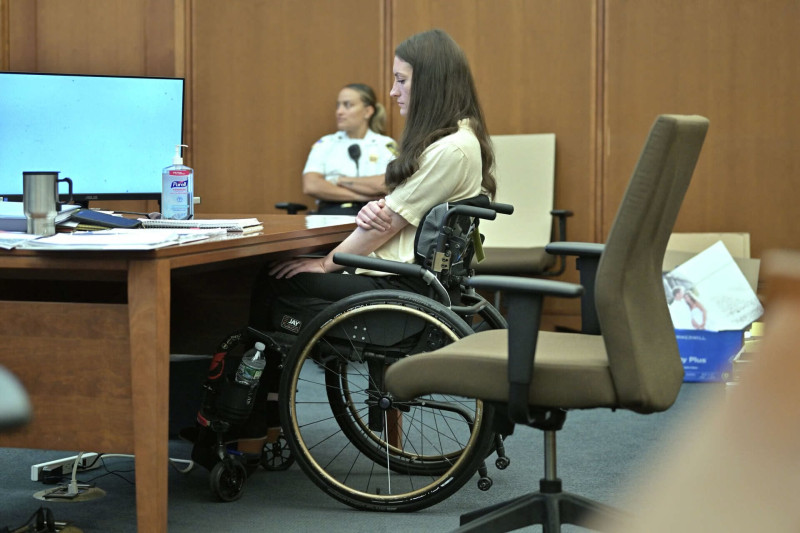
The courtroom is tense, the air thick with anticipation. The fluorescent lights cast a harsh glow on the faces of the jury, who have been tasked with weighing the complex and often heart-wrenching evidence presented in the Lindsay Clancy trial, a case that has gripped the nation. The trial, which has been meticulously followed by viewers on Court TV and other news outlets, has centered around the tragic deaths of three young children. And at the heart of the trial is a condition that has thrust the public spotlight onto the lesser-known mental health issue of postpartum psychosis.
A Case of Postpartum Psychosis or Criminal Intent?
The prosecution has rested its case, and the defense has begun to call witnesses to address Lindsay Clancy's state of mind and the question of her criminal responsibility. The prosecution has focused on the physical evidence, including bloodstains and pill bottles, to build a case that Clancy acted with intent. However, the defense has countered by presenting testimonies from mental health professionals, counselors, and psychiatrists who have shed light on the devastating impact of postpartum psychosis.
The trial has seen Clancy, a former labor and delivery nurse, admit to the killings but plead not guilty due to her mental state at the time of the incident. This has brought into sharp focus the complexities of postpartum psychosis, a condition that can lead to severe delusions and hallucinations, often manifesting in the immediate aftermath of childbirth. The defense's argument hinges on the idea that Clancy was not criminally responsible for her actions due to her impaired mental state.
The Impact on Mental Health Awareness and Public Discourse
The Clancy trial has not only highlighted the tragic loss of young lives but has also sparked a broader conversation about mental health, particularly the often overlooked condition of postpartum psychosis. Women who have experienced this condition have called for more research and greater understanding, emphasizing that the mental health of new mothers is a critical public health issue. The trial has put a spotlight on the need for better mental health support for new mothers, drawing attention to the barriers that often prevent timely diagnosis and treatment.
Postpartum psychosis, characterized by its sudden onset and severe symptoms, can be particularly challenging to diagnose and manage. The trial's focus on this condition has brought to light the emotional and psychological struggles that many mothers face in the postpartum period. The defense has argued that Clancy's actions were a result of her mental state, which was severely compromised by postpartum psychosis, a condition she had not been diagnosed with.
The Ongoing Trial and Its Implications
The ongoing trial of Lindsay Clancy continues to unfold, with the defense presenting its case and the prosecution cross-examining witnesses. The courtroom drama, punctuated by emotional testimonies and technical legal arguments, has kept viewers on the edge of their seats. The jury's decision will not only determine the fate of Clancy but will also have broader implications for how the legal system views and treats cases involving mental illness, particularly postpartum psychosis.
As the trial progresses, the public remains captivated by the unfolding events, which have brought to light the intricate interplay between mental health and criminal responsibility. The case has highlighted the need for comprehensive mental health support for new mothers and the importance of understanding the complexities of postpartum psychosis. The outcome of the Lindsay Clancy trial will undoubtedly shape future legal and medical approaches to similar cases, ensuring that the mental health of mothers is given the attention it deserves — especially in the context of a condition as severe and poorly understood as postpartum psychosis.
In a recent court session, a defense witness emphasized the devastating impact of postpartum psychosis, noting, "This condition can turn a loving mother into someone who acts against her most fundamental instincts. It's a tragic and often fatal illness that requires urgent attention and intervention." The Clancy trial continues to unfold — and as it does, it will likely continue to shape the discourse around mental health and justice.
How does this story make you feel?
 Up next · HealthLindsay Clancy Murder Trial: Defense Focuses on Postpartum Psychosis