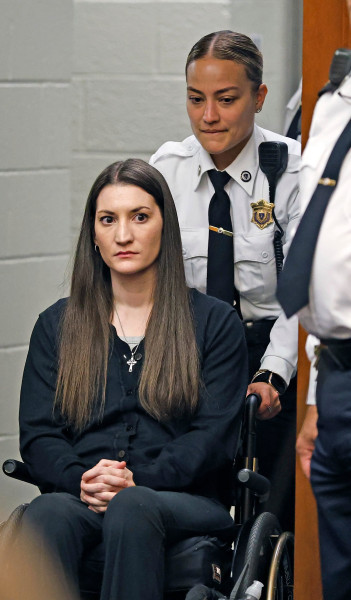
Lindsay Clancy Murder Trial: Defense Focuses on Postpartum Psychosis

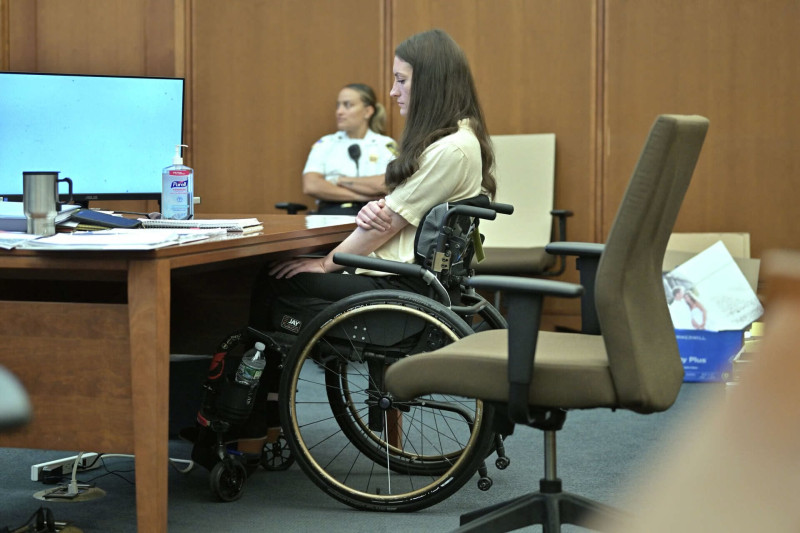
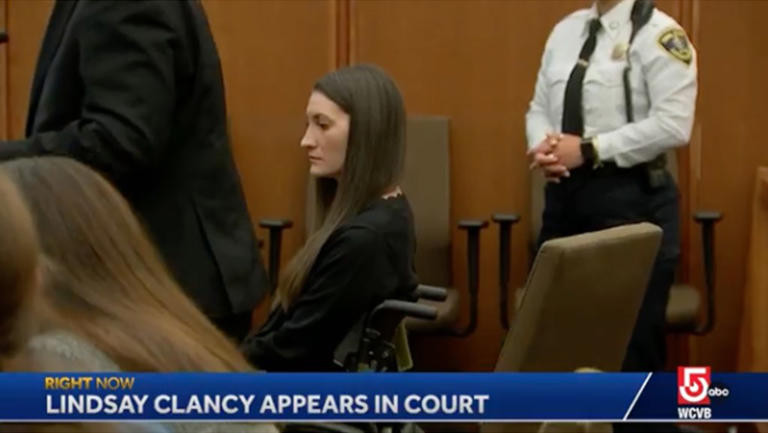
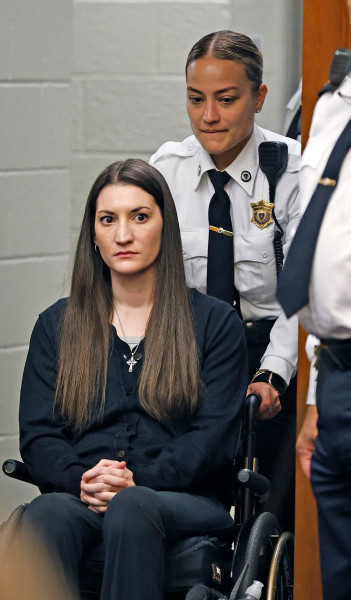
On Lindsay Clancy trial day 17, the courtroom buzzed with tension as the defense team presented a hospital chaplain's testimony, revealing that Clancy had heard male voices instructing her to harm her children. This shocking revelation came during a day marked by the judge sending the jury home early, leaving observers to wonder if the defense's strategy to show that Clancy was not guilty by reason of insanity was slowly starting to gain ground.
Defense Paints a Picture of Extreme Mental Distress
Postpartum psychosis has been the central theme of the Clancy trial, as the defense seeks to prove that Clancy's actions were driven by an irrational state of mind. The hospital chaplain’s testimony added a new layer to this narrative, describing how Clancy had heard voices commanding her to kill her children and herself. This revelation underscored the severity of Clancy's mental health struggles, which the defense argues were exacerbated by the stress and trauma of postpartum psychosis. The defense's case hinges on the claim that Clancy was not in control of her actions and that her behavior was a result of a severe mental health condition.
In a recent development, the defense team called a psychologist who testified about Clancy's mental state. The psychologist emphasized that Clancy still thinks about her children, suggesting a deep emotional turmoil that aligns with the defense's argument of diminished responsibility. The psychologist's testimony was crucial in illustrating how Clancy's mental health was deteriorating before the tragic events of 2023, when she strangled her three children.
The defense has also highlighted Clancy's mental state by calling witnesses, including her mother and sister, who described her declining mental health. They testified about her emotional distress and the challenges she faced after giving birth to her youngest child. “This testimony provided a human element to the case, painting a picture of a loving mother who was struggling with an overwhelming mental health crisis,” said one observer inside the courtroom.
While the defense's evidence aims to paint a picture of a desperate mother driven to madness, the prosecution has countered by presenting evidence of Clancy's actions leading up to the murders. However, the defense's focus on the extreme mental distress she was experiencing has become a pivotal point in the trial. The defense argues that Clancy’s actions were a result of a severe mental condition and not a conscious decision, and the judge’s decision to send the jury home early on the 17th day of the trial suggests that the defense is gaining traction in their argument.
The Psychological Evidence: The Key to the Defense
The defense's strategy in the Lindsay Clancy trial has heavily relied on psychological evidence, with witnesses and experts providing detailed accounts of Clancy's mental state. The testimony from Clancy's psychologist underscored the depth of her psychological turmoil, revealing that she still thinks about her children. This psychological evidence is crucial in building the defense's case that Clancy was not in control of her actions due to a severe mental health condition.
However, the defense's strategy has faced challenges, with the judge rejecting a TikTok therapist from testifying. This move by the judge has added a layer of complexity to the defense's case, as they had hoped to use the therapist's expertise to further bolster their argument. Despite this setback, the defense has continued to present a compelling narrative of a mother driven to extreme actions by an overwhelming mental health crisis.
One significant development in the trial was the testimony from a hospital chaplain, who met with Clancy and described how she had heard male voices commanding her to harm her children and herself. This testimony was pivotal in showcasing the severity of Clancy's mental distress and how it led to her tragic actions. The defense has built its case around the idea that Clancy was not in control of her actions and that her behavior was a result of a severe mental health condition.
The defense has called upon several witnesses, including Clancy's mother and sister, to testify about her declining mental state. Their testimonies provided a human element to the case, painting a picture of a loving mother who was struggling with an overwhelming mental health crisis. This evidence has been crucial in building the defense's argument that Clancy was not guilty by reason of insanity.
The Lindsay Clancy trial has been a complex legal battle, with the defense's focus on psychological evidence playing a crucial role in their strategy. The defense has aimed to paint a picture of a desperate mother driven to madness, and the psychological evidence has been a significant part of their case. As the trial continues, the defense's strategy will likely rely on further evidence to support their argument that Clancy's actions were a result of a severe mental health condition.
The Courtroom Drama: Witnesses and Testimonies
The tension in the courtroom has been palpable, with witnesses and testemonies providing insight into Clancy's mental state. The defense has called upon a range of witnesses, including a hospital chaplain, a psychologist, and Clancy's family members, to provide a comprehensive picture of her psychological distress. The defense continues to build a strong case, and the judge's decision to send the jury home early suggests that the defense is gaining traction in their argument.
In recent days, the defense has presented compelling evidence, including the testimony from a hospital chaplain, who described how Clancy had heard male voices commanding her to harm her children and herself. The defense’s strategy has been to present Clancy as a victim of postpartum psychosis, a severe mental health condition that can lead to irrational and dangerous behavior. The defense has argued that Clancy’s actions were a result of a severe mental health condition and not a conscious decision, and the judge’s decision to send the jury home early on the 17th day of the trial suggests that the defense is gaining traction in their argument.
The prosecution has countered by presenting evidence of Clancy's actions leading up to the murders, but the defense has focused on the psychological evidence, aiming to paint a picture of a desperate mother driven to madness. The defense’s strategy has been to present Clancy as a victim of postpartum psychosis, a severe mental health condition that can lead to irrational and dangerous behavior. The defense has argued that Clancy’s actions were a result of a severe mental health condition and not a conscious decision.
The defense has also highlighted the emotional turmoil Clancy was experiencing, with witnesses describing her declining mental health. The defense’s strategy has been to present Clancy as a victim of postpartum psychosis, a severe mental health condition that can lead to irrational and dangerous behavior. The defense has argued that Clancy’s actions were a result of a severe mental health condition and not a conscious decision, and the judge’s decision to send the jury home early on the 17th day of the trial suggests that the defense is gaining traction in their argument.
If the defense can prove that Clancy was not in control of her actions, it could have significant implications for the outcome of the trial. The psychological evidence presented by the defense has been a crucial part of their case, and the defense has aimed to paint a picture of a desperate mother driven to madness. The psychological evidence presented by the defense has been a crucial part of their case, and the defense has aimed to paint a picture of a desperate mother driven to madness.
As the trial continues, the courtroom drama is expected to reach a climax, with both sides presenting their final arguments. The defense has relied heavily on psychological evidence, and the outcome of the trial will depend on whether the jury finds the defense's argument convincing. The defense has relied heavily on psychological evidence, and the outcome of the trial will depend on whether the jury finds the defense's argument convincing.
Clancy's case has raised important questions about mental health and its impact on criminal responsibility. The defense's strategy has focused on psychological evidence, aiming to show that Clancy was not in control of her actions due to a severe mental health condition. The trial has highlighted the complexities of mental health and its impact on criminal responsibility, and the outcome of the trial will have significant implications for the legal system and mental health advocacy.
Think again. The case of Lindsay Clancy is far from over. With the defense focusing on the psychological evidence and the prosecution presenting their case, the trial is set to continue with more testimonies and arguments. The psychological evidence presented by the defense has been a crucial part of their case, and the defense has aimed to paint a picture of a desperate mother driven to madness. The outcome of the trial will depend on whether the jury finds the defense's argument convincing, and the trial is expected to reach a climax with both sides presenting their final arguments. With the defense focusing on the psychological evidence, the outcome of the trial will have significant implications for the legal system and mental health advocacy.
The Lindsay Clancy trial has been a complex legal battle, with the defense relying heavily on psychological evidence to prove that Clancy was not in control of her actions. The defense has aimed to paint a picture of a desperate mother driven to madness, and the outcome of the trial will have significant implications for the legal system and mental health advocacy.
How does this story make you feel?
 Up next · HealthShocking New Evidence Emerges in Lindsay Clancy Trial: Postpartum Psychosis Takes Center Stage