Breakthrough in Cancer Treatment: Moderna and Merck's mRNA Vaccine Shows Promise
In a packed press conference, flanked by a sea of microphones and the hum of phones buzzing in pockets, Merck and Moderna announced a groundbreaking development that could redefine cancer treatment. The spotlight was on their experimental mRNA vaccine, which has shown unprecedented success in late-stage trials for melanoma. The news quickly rippled through the medical community, sparking hope and debate about the future of cancer immunotherapy.
Historic Results in Melanoma Trials
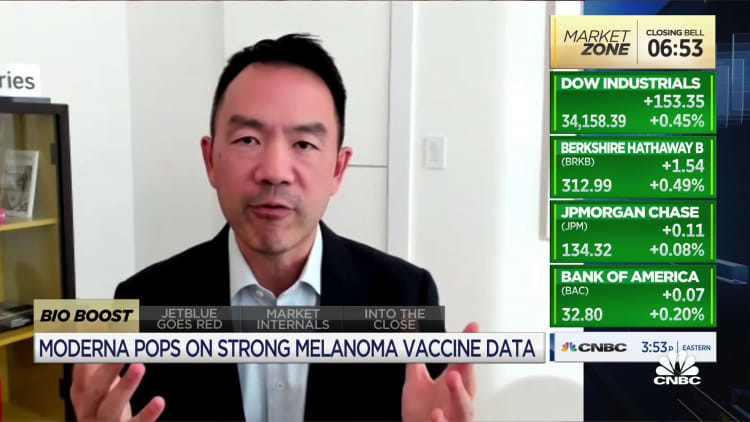
The collaboration between Moderna and Merck has yielded a vaccine that combines a personalized mRNA component with Keytruda, an existing immunotherapy drug. The results are striking: in a large-scale, late-stage trial, the vaccine significantly reduced the risk of melanoma returning or spreading, making it the first combination regimen to demonstrate success in extending the lifespans of high-risk melanoma patients. This breakthrough suggests that the vaccine could potentially be a game-changer for melanoma treatment.
mRNA Technology: A New Frontier in Cancer Treatment
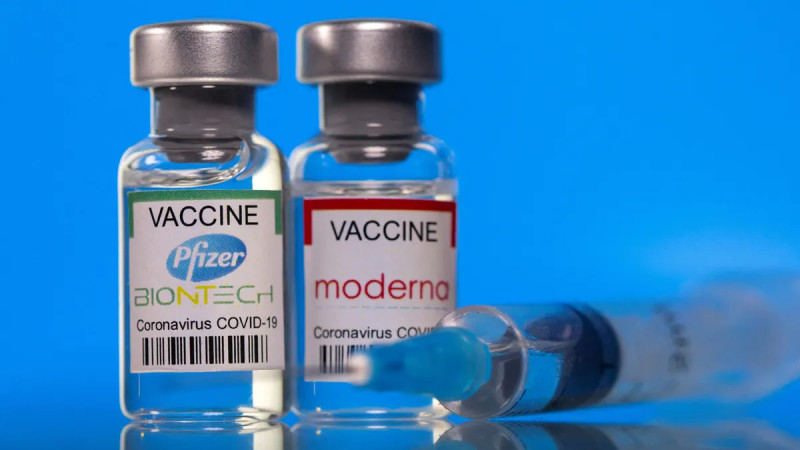
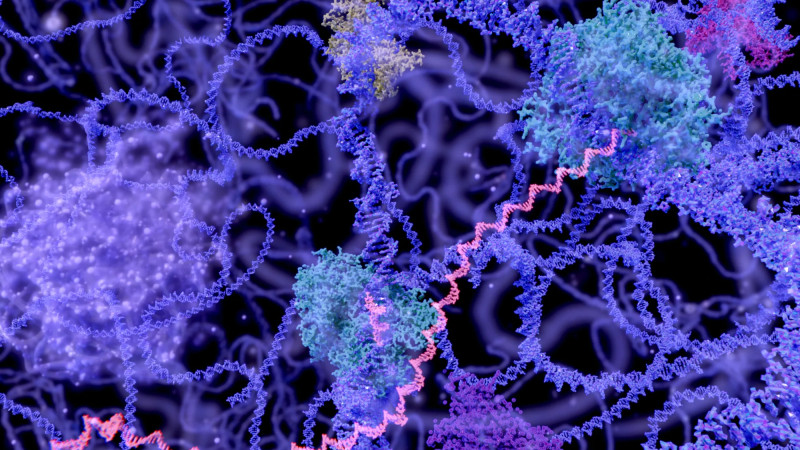
The success of the mRNA vaccine can be attributed to its ability to awaken the immune system, prompting it to attack cancerous cells. Unlike traditional vaccines that target specific tumor proteins, this vaccine revs up the immune response in a more generalized way. This approach could pave the way for a universal cancer vaccine, potentially effective against multiple types of tumors. The technology, already proven effective in COVID-19 vaccines, is now being hailed as a powerful tool in the fight against cancer. Doctors are hopeful that this success will open new avenues for treating various types of tumors, not just melanoma.
The Road Ahead for Cancer Immunotherapy
Despite the promising results, the journey from clinical trials to widespread availability is fraught with challenges. Merck and Moderna face the hurdle of scaling up production while ensuring the vaccine's efficacy and safety. The regulatory approval process, which involves rigorous scrutiny, will also be a critical milestone. However, the medical community is optimistic. According to Joshua Brody, MD, a leading expert in cancer vaccines, the field has reached a turning point. "After decades of disappointment, cancer vaccines are finally showing significant progress," he says. "This success underscores the potential of mRNA technology and its compatibility with checkpoint inhibitors.
This success underscores the potential of mRNA technology and its compatibility with checkpoint inhibitors.
— Joshua Brody, MD
The announcement has also brought a glimmer of hope to Moderna, which has seen its stock drop after the COVID-19 pandemic. The positive results from the cancer vaccine trial could revitalize the company's fortunes, marking a new chapter in its history, one that extends beyond the pandemic. Moreover, the vaccine's ability to extend lifespans in high-risk patients signals a significant advancement in cancer treatment, potentially setting a new standard for immunotherapy.
The Future of Cancer Vaccines
The success of the mRNA cancer vaccine is just the beginning. Researchers are already exploring its potential in treating other types of cancer, such as lung and breast cancer. The personalized approach, which leverages the patient's own immune system, holds the promise of reducing the risk of cancer recurrence or spreading. This could revolutionize cancer treatment, making it more effective and less invasive.
Moderna and Merck's mRNA cancer vaccine marks a watershed moment in oncology. The fusion of mRNA technology with immunotherapy is reshaping the landscape of cancer treatment, offering new hope to patients and challenging the status quo in the medical community. However, the road to widespread availability is long and fraught with obstacles — and the success hinges on overcoming these hurdles.
How does this story make you feel?
 Up next · HealthQuality Control Co-Founder Pierre 'P' Thomas Hospitalized After Heart Attack