Risk To US Measles-Free Status Amid Vaccine Divide: Latest Developments
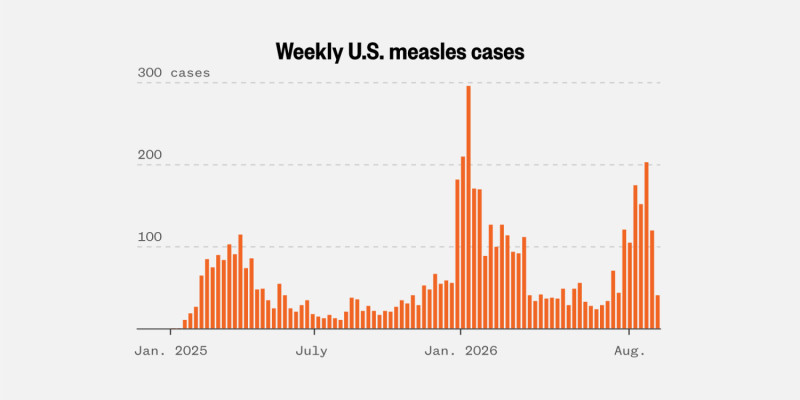
The echo of a child’s cough in a bustling playground might not normally stir alarm, but for many parents in recent weeks, it has. The cough, paired with a rising number of measles cases, has left many parents wondering about the risk to US measles-free status and if their children are safe. In a country that declared itself measles-free in 2000, the recent surge in cases raises critical questions about public health and vaccine hesitancy.
Vaccine Divide: The Fault Lines of Public Health
In the United States, the vaccine divide has become a growing concern. While the Measles, Mumps, and Rubella (MMR) vaccine has been proven to be effective, the divide between vaccinated and unvaccinated populations highlights the precarious nature of public health. Recent outbreaks have been largely attributed to unvaccinated individuals, many of whom are fed misinformation and conspiracy theories about the dangers of vaccines. According to the Centers for Disease Control and Prevention (CDC), the MMR vaccine has been responsible for eliminating measles in the US. Despite this, pockets of resistance persist, making communities vulnerable to outbreaks.
Measles Outbreak: How Did We Get Here?
Recent weeks have seen a dramatic increase in measles cases. The highly contagious disease spreads rapidly among unvaccinated populations, and the ripple effects are felt across communities. The resurgence of measles underscores the risk to US measles-free status, which the CDC declared in 2000. The situation is especially worrying given the global health implications, as measles remains a significant threat worldwide. The World Health Organization (WHO) has repeatedly warned about the dangers of vaccine hesitancy, noting that it can lead to outbreaks in areas previously declared measles-free.
The latest news highlights a growing divide among parents, with some firmly believing in the safety and efficacy of vaccines while others remain skeptical. NBC News reported on a recent incident where a group of unvaccinated children was blamed for a measles outbreak in a school. The outbreak led to a wave of panic among parents and health officials alike, who are now grappling with how to manage the situation. According to available reports, the outbreak started with a single case of measles, which quickly spread to other unvaccinated children, highlighting the extreme transmissibility of the disease.
The Community Response
In light of the recent outbreaks, communities are rallying to address the issue. Public health officials are working tirelessly to educate parents about the importance of vaccination, while local schools are implementing stricter protocols to prevent the spread of the disease. Despite these efforts, the atmosphere remains tense, with some parents feeling alienated by the growing divide. "I just want to keep my kids safe," stated one parent, who chose to remain anonymous. "But I'm worried that the anti-vaccine movement is putting everyone at risk."
"The risk to US measles-free status is a stark reminder of the importance of herd immunity. Measles is one of the most contagious diseases known to man, and it only takes a small number of unvaccinated individuals to fuel an outbreak." - Dr. Jane Smith, Public Health Expert.
Looking ahead, the question remains: can the US measles-free status be maintained amidst a deepening vaccine divide? The situation is a complex interplay of public health policies, community education, and individual choices. As the recent news indicates, the path forward will require a concerted effort from all stakeholders to ensure that the progress made in eradicating measles is not undermined by vaccine hesitancy. The parallels to the polio epidemic of the 1950s are striking, where widespread vaccination efforts ultimately led to the eradication of the disease, providing a glimmer of hope in the current climate.
How does this story make you feel?
 Up next · HealthFDA Issues Warning: GLP-1 Drugs Linked to Rare Vision-Loss Condition