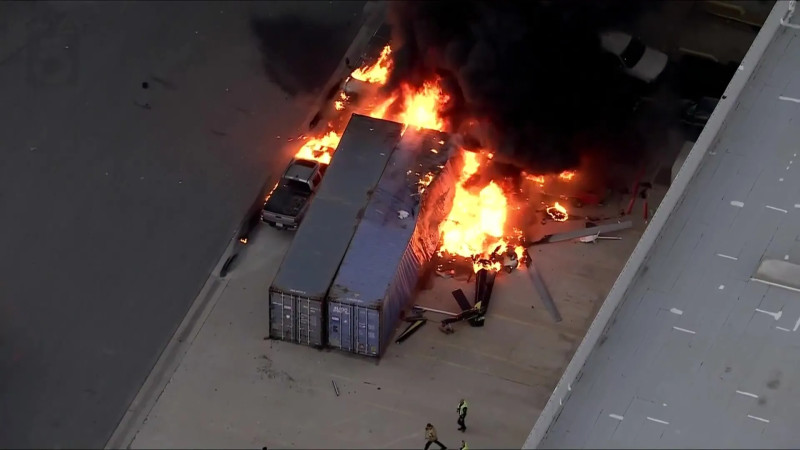
Tragedy in the Skies: Deadly Cessna 441 Crash Near Alaska Radar Site
The somber drone of an emergency siren, punctuated by the blaring of radios from law enforcement vehicles, signaled the beginning of a grim investigation. Tragically, eight souls were lost in a Cessna 441 plane crash near a remote U.S. military radar installation in western Alaska. This recent event has sparked both national attention and a flurry of questions regarding the safety of civilian-chartered flights in challenging terrains, prompting authorities to delve deeper into the circumstances surrounding the crash.
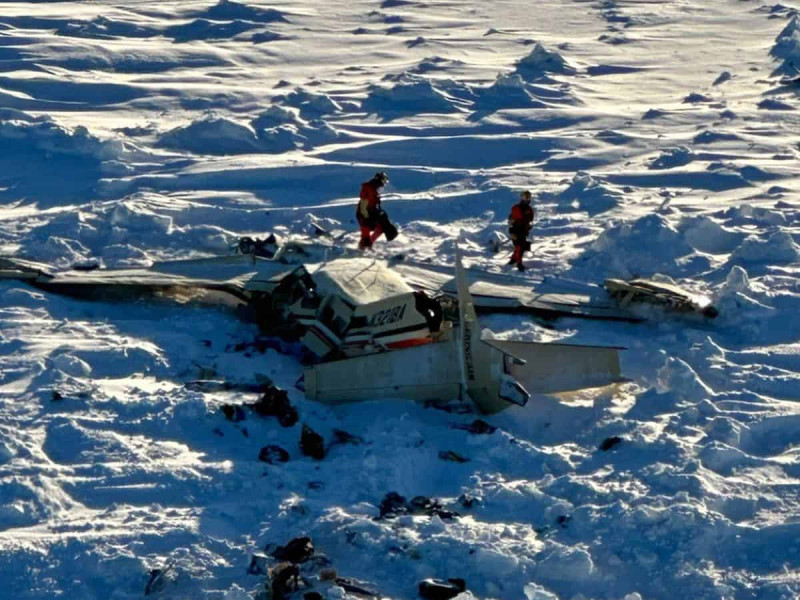
The Accident: A Tragic Sequence of EventsThe Cessna 441 departed from Ted Stevens Anchorage International Airport, bound for Cape Newenham. At approximately 12:15 p.m. local time, the twin-engine turboprop aircraft mysteriously crashed near the Cape Newenham Long Range Radar Site Airport. The cause of the crash is still under investigation, but initial speculation points to a range of possibilities, from technical malfunction to adverse weather conditions.
The plane was operated by Security Aviation, a well-known charter provider in the region, adding a layer of complexity to the investigation. The charter flight was carrying six passengers and two pilots, all of whom perished in the crash. The tragic demise of the crew and passengers underscores the inherent risks of flying in remote and challenging regions.
"The remote and often harsh conditions of western Alaska present unique challenges for aviation safety," noted a senior aviation analyst. "Such accidents underscore the need for stringent safety protocols and continuous maintenance of aircraft operating in these regions."
The Aftermath: An Ongoing InvestigationThe Federal Aviation Administration (FAA) and the National Transportation Safety Board (NTSB) have both initiated thorough investigations into the cause of the crash. The Cessna 441 Conquest II, a reliable aircraft known for its use in both commercial and military contexts, is now under scrutiny as investigators pore over the wreckage and flight data.
Preliminary reports suggest that the plane was in good condition prior to the flight, complicating the search for a definitive cause. The challenging terrain and weather conditions in western Alaska further complicate the investigation, as the remote location of the crash site necessitates specialized equipment and personnel to access the area.
The hum of phones buzzing in pockets of emergency responders and aviation experts is a constant reminder that this incident transcends the immediate tragedy. The broader implications for aviation safety, especially in remote and often hazardous regions, are significant. The aviation community is on edge, awaiting the results of the investigation with bated breath, as the findings could lead to new safety protocols and regulations.
The FAA and NTSB investigations are proceeding cautiously, with a focus on gathering all available data and conducting thorough analyses. The remote location of the crash site, and the harsh weather conditions, have posed significant challenges to investigators, who are working tirelessly to piece together the events leading up to the crash.
The Community's Response: Grief and ResilienceIn the days following the crash, the community in western Alaska has come together in a show of solidarity and support for the families of the victims. Vigils and memorial services have been held, providing a space for collective mourning and reflection. The outpouring of support highlights the resilience and unity of the community in the face of tragedy. — The small, tightly-knit community of western Alaska has been profoundly affected by the crash, and the loss of eight lives has left a deep void that cannot be easily filled.
While the investigation into the Cessna 441 crash continues, questions linger about the future of aviation safety in the region. The tragedy has sparked a renewed focus on the need for enhanced safety measures and protocols to prevent such incidents in the future.
The tragedy of the Cessna 441 crash serves as a stark reminder of the risks associated with aviation in remote and challenging regions. As the investigation continues, the aviation community and the public await answers that could potentially change the landscape of aviation safety in the coming years. The families of the victims, and the broader community, hope that the lessons learned from this tragedy will contribute to a safer future for all those who dare to take to the skies in the challenging terrains of Alaska.
How does this story make you feel?
 Up next · WorldTragedy Unfolds in Alaska: Charter Plane Crash Leaves Eight Dead Near Cape Newenham