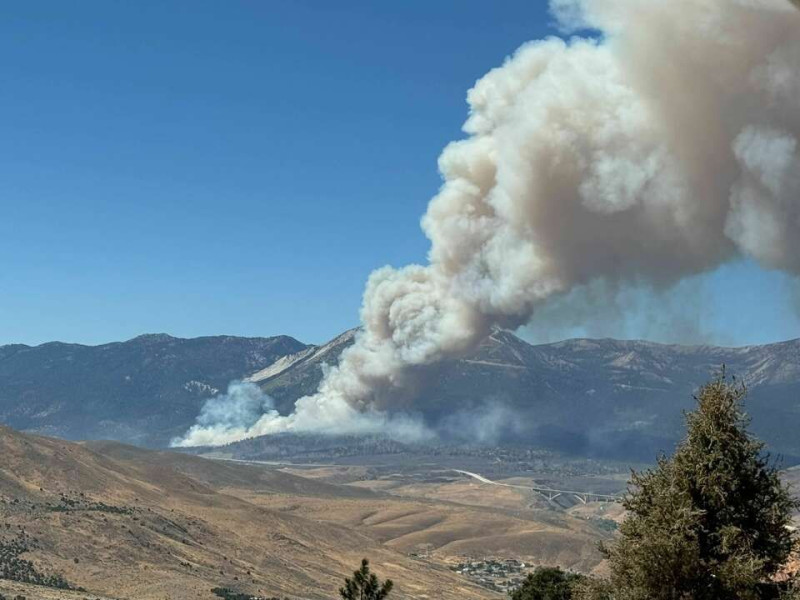
Hawk Fire Ravages Reno: Evacuations and Fires Spread
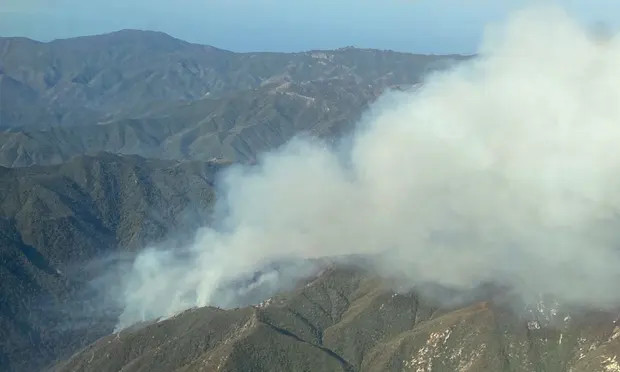
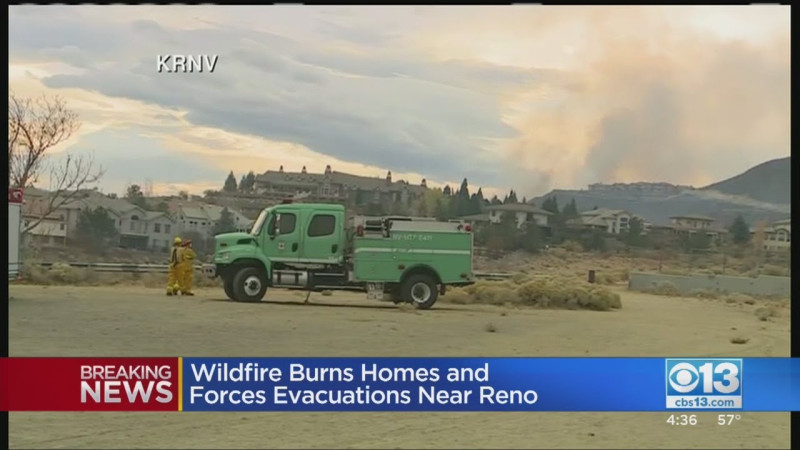
The Hawk Fire, a rapidly expanding wildfire in Reno, Nevada, has become a major crisis, prompting widespread evacuations and sparking concerns over the safety of residents and infrastructure. As of recently, the fire has grown to cover more than 10,500 acres, with no immediate containment in sight. The blaze has threatened approximately 1,000 homes and forced authorities to issue evacuation orders for parts of Somersett and northwest Reno.
Rapid Spread and Evacuation Orders
The Hawk Fire, which began recently, has quickly grown from 2,500 acres to over 10,500 acres, driven by gusty winds and low humidity. The fire's rapid expansion has led to extensive evacuations, with residents in Somersett and northwest Reno being ordered to leave their homes. The University of Nevada, Reno (UNR) campus remains outside the evacuation zones, offering some relief to students and faculty, who still need to remain vigilant.
The evacuations have been challenging, with the evacuation site at the Evelyn Mount Northeast Community Center reaching capacity. To accommodate the influx of evacuees, a new site has been established at Hall 4 of the Reno-Sparks Convention Center. The situation highlights the critical need for preparedness and the importance of heeding evacuation orders to ensure public safety.
Community and Official Responses
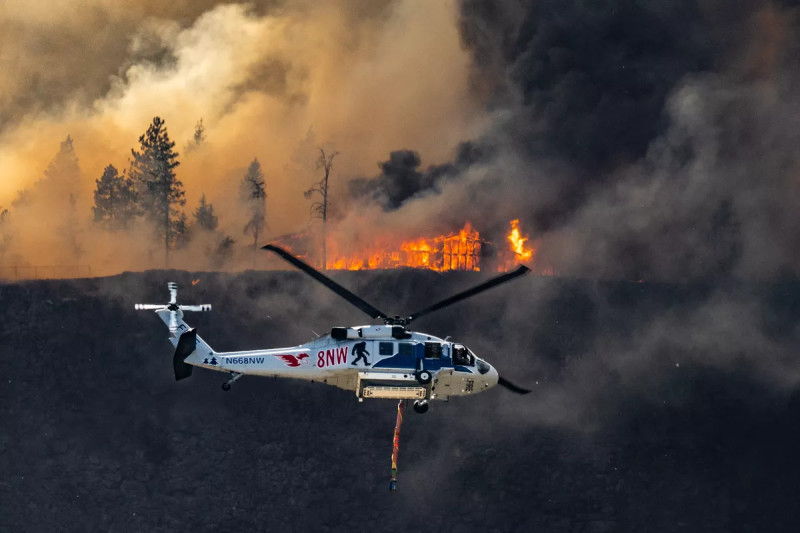
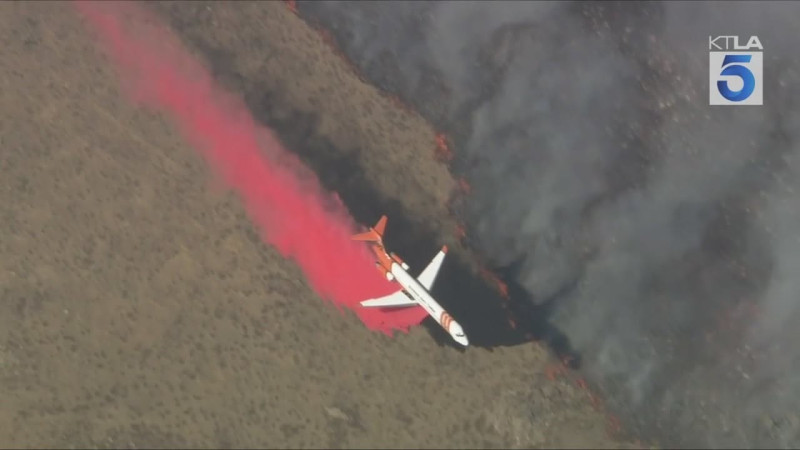
The community and local authorities have been proactive in responding to the Hawk Fire. Emergency services are working tirelessly to manage the situation, and air attacks have been deployed to combat the spread of the fire. The real-time tracking of the fire through resources like the WildFire-Ready Live Reno Wildfire Map and the Perimeter Map website has provided crucial information to residents and officials.
However, the containment efforts face significant challenges. The fire remains 0% contained, and the current conditions, including gusty winds and low humidity, continue to fuel its growth. This situation underscores the complexity and urgency of wildfire management, which requires a coordinated effort from multiple agencies and the community.
There have been calls for more resources, including additional firefighting personnel and equipment, to combat the blaze effectively. The community's resilience and support for one another during this crisis are evident, but the need for comprehensive fire management strategies remains a pressing issue. Some experts argue that more funding and resources should be allocated to preventative measures and infrastructure improvements to mitigate future wildfire risks.
Impact on Residents and Future Preparedness
The Hawk Fire has had a profound impact on the lives of Reno residents. Evacuations disrupt daily routines, and the threat to homes and property is a significant concern. The community's response to the crisis has been commendable, with neighbors helping one another and local businesses providing support to those affected.
However, the situation also raises questions about future preparedness. As wildfires become more frequent and intense due to climate change, communities must be better equipped to handle such emergencies. Investing in fire-resistant infrastructure, improving early warning systems, and enhancing community education on fire safety are crucial steps towards building resilience.
The data is damning: the Hawk Fire is a stark reminder of the devastating impact wildfires can have on communities. Let's not kid ourselves, the increasing frequency and intensity of these fires require a concerted effort from everyone – from local authorities to individual residents. We must prioritize preparedness and invest in the necessary resources to protect our communities from future threats.
"The fires are a real wake-up call for how much more needs to be done to protect communities, and how we need to prepare for the next one," said a local official. "It's not enough to just respond to fires; we need to be proactive in our approach to mitigate future risks and ensure the safety of our residents.".
How does this story make you feel?
 Up next · WorldHawk Fire Forces Massive Evacuations in Reno