Honda and Toyota Reissue Massive Airbag Recall Amid New Concerns
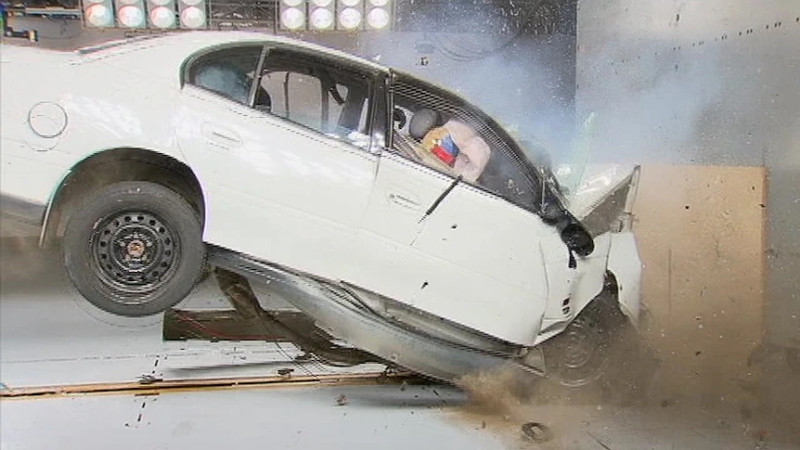
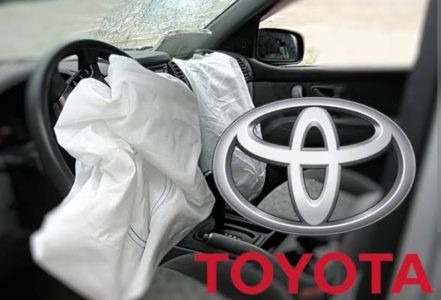
The automotive industry is grappling with a renewed crisis as Honda and Toyota, two of the world’s leading automobile manufacturers, have initiated a massive recall of approximately 1.6 million vehicles. The recall, driven by a new wave of concerns regarding Takata airbag inflators, has sent shockwaves through the industry and raised questions about the long-term reliability of affected models. The recalls cover cars, trucks, and SUVs, with Honda recalling 810,592 vehicles in the U.S. and Toyota recalling 314,029 vehicles.
Understanding the Latest Airbag Recall: A Major Safety Issue
The recall is centered around Takata airbag inflators, which have been identified as potentially dangerous due to their propensity to rupture during deployment, thereby posing a significant risk to vehicle occupants. The inflators, when exposed to heat and humidity over prolonged periods, may deteriorate and release metal fragments when activated. This critical flaw has led to extensive safety concerns, prompting regulatory bodies and manufacturers to take immediate action. Honda and Toyota are pulling 1.6 million vehicles off the road over a fresh concern with Takata airbag inflators—this time in models that were previously thought to be safer due to their specific design. The affected models include 2013 Accord, 2012-2013 Civic and CR-V, and 2013 Acura ILX and RDX.
The Complexity of Takata Airbag Issues: A Recurring Problem
In previous years, the Takata airbag issue has been a recurring problem, with multiple recalls and safety advisories issued by various automakers. This recent recall is particularly concerning because it involves models that were previously thought to be less susceptible to the inflator rupture problem. Honda and Toyota have had previous recalls related to Takata airbag inflators, but the scope and urgency of this recall indicate that the issue has become more serious. The propellant used in these airbags, phase-stabilized ammonium nitrate (PSAN), has been identified as a significant factor in the rupture incidents, and the moisture-absorbing material in some inflators has exacerbated the problem. Takata airbag inflator recall fact sheet by Honda newsroom notes that approximately 12.9 million Honda and Acura vehicles in the U.S. have been or are subject to recall.
Think again. Gone are the days when consumers could blindly trust the reliability of their vehicles. The Takata airbag scandal has taught us a hard lesson about the importance of vigilance and proactive safety measures in the automotive industry. The latest recall serves as a stark reminder that even after years of addressing the issue, the problem is far from resolved. Honda and Toyota are taking the necessary steps to safeguard their customers, but the long-term impact on consumer trust remains to be seen. The recall covers 14 U.S. states and territories.
"The Takata airbag issue is a complex one, involving a multitude of factors and affecting a wide range of vehicles. The latest recall underscores the need for continued vigilance and proactive safety measures in the automotive industry."
Consumer Impact and Next Steps: What You Need to Know
For consumers, the impact of this recall is immediate and far-reaching. Owners of affected vehicles are urged to take prompt action by contacting their respective manufacturers or dealers to schedule a free repair. The repair process involves replacing the faulty airbag inflators with safer alternatives, ensuring the continued safety of vehicle occupants. Consumers are encouraged to stay informed and proactive in addressing this issue, as the safety of their vehicles and their families is at stake. The repair is free, NHTSA records interim owner letters for December 18, 2026, and the VIN lookup at NHTSA.gov lists affected vehicles from November 22, 2026.
Honda vehicle owners in the US can check if their vehicle is affected by visiting the NHTSA’s VIN lookup tool. This tool allows consumers to enter their vehicle identification number (VIN) to determine if their vehicle is subject to the recall and to receive information on the specific repair procedures. Think again. How many Hondas are currently on the road, their airbags ticking like time bombs? Nobody saw this coming. The recall highlights the ongoing challenges faced by automakers in ensuring the safety and reliability of their vehicles. The automotive industry must continue to prioritize safety and transparency, and consumers must remain vigilant in addressing potential safety issues.
How does this story make you feel?
 Up next · WorldTensions Rise as Russian Ship Attacked in Gulf of Finland