Supreme Court backs Trump order to restrict mail‑in ballots
The Court cleared a Trump executive order that would require states to provide names and barcodes for mail‑in ballots, a move that could affect the 2026 midterms.
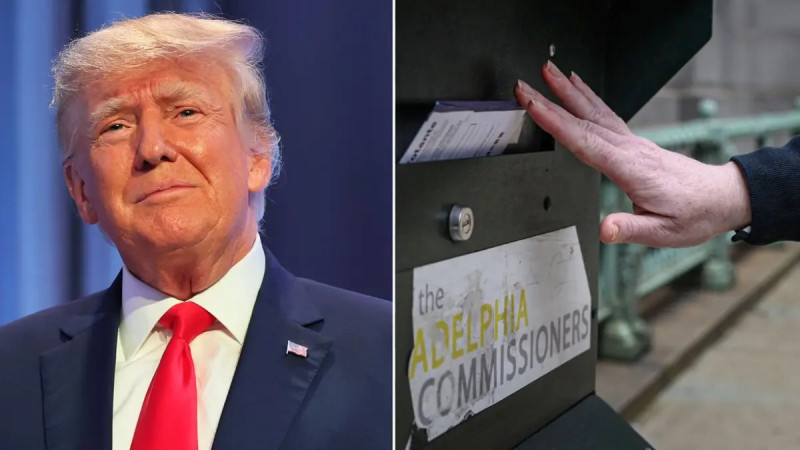
Key points
- The Supreme Court approved parts of a Trump executive order limiting mail‑in voting.
- The order would require states to supply names and barcodes tied to mail‑in ballots to the USPS.
- The ruling could create privacy concerns and delay ballot processing.
- Election officials face a tight deadline to comply with the new rules.
- Critics warn the changes may reduce voter turnout and election integrity.
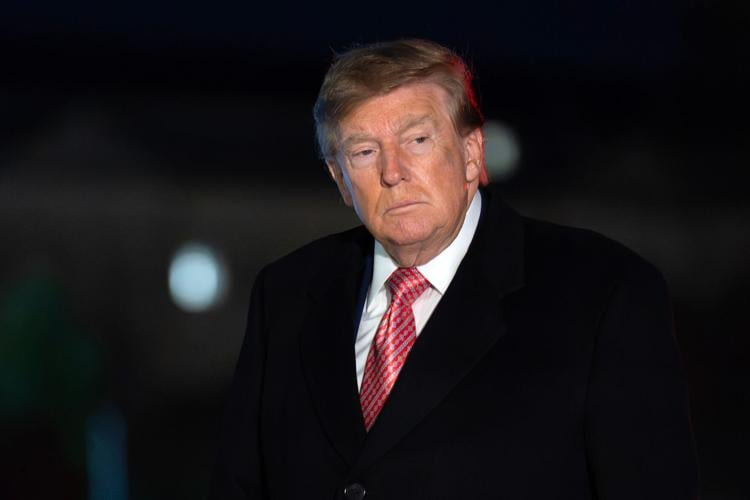
The Supreme Court has recently sided with the Trump administration in allowing an executive order that seeks to restrict mail-in ballots. This decision, which has significant implications for the upcoming midterm elections, is part of a broader effort by the Trump administration to impose new regulations on the US Postal Service (USPS) in the context of elections. The Trump Administration's Executive Order The Trump administration, under the leadership of former President Donald Trump, issued an executive order to restrict mail-in voting. This controversial order was aimed at curbing the increased use of mail-in ballots, which had surged in recent times due to the pandemic and other factors. The order specifically called for the USPS to require states to provide the names and barcodes tied to mail-in ballots. This move was seen by many as an attempt to exert control over the election process, particularly in light of the upcoming midterm elections. The Supreme Court's Ruling and Its Implications The Supreme Court's decision to allow the Trump administration to move forward with parts of the executive order has sparked widespread debate. By clearing the way for the implementation of the order, the Supreme Court has effectively set a precedent that could significantly alter the landscape of mail-in voting. The decision has put election officials and administrators on a tight deadline to comply with the rule changes, which are expected to aggravate privacy concerns for voters and potentially disrupt the election process. The ruling, however, is not without its critics. Some argue that the implementation of these new regulations could lead to widespread confusion and delays in the processing of mail-in ballots. This, in turn, could affect voter turnout and the overall integrity of the election process. The Impact on the US Postal Service The USPS has been at the center of this controversy, as it is tasked with implementing the new regulations. The postal service has published a final rule that seeks to comply with the executive order, which includes requiring states to provide the names and barcodes tied to mail-in ballots. This move has been met with opposition from various quarters, including legal challenges that could further complicate the implementation process. The USPS's role in this debate is crucial, as it is responsible for ensuring the timely delivery of mail-in ballots. The new regulations could potentially hinder the efficiency of the postal service, leading to delays and other issues that could impact the election process. It remains to be seen how the USPS will navigate these challenges in the coming weeks.
The implementation of these new regulations could lead to widespread confusion and delays in the processing of mail-in ballots, which could affect voter turnout and the overall integrity of the election process.Counter-Argument: Ensuring Election Integrity While the Trump administration's executive order and the Supreme Court's ruling have been met with criticism, it is important to note that there are arguments in favor of the new regulations. Proponents argue that the restrictions on mail-in ballots are necessary to ensure the integrity of the election process. By requiring states to provide the names and barcodes tied to mail-in ballots, the USPS can more effectively track and verify the authenticity of these ballots, thus reducing the risk of fraud and other irregularities. The Road Ahead As the midterm elections approach, the decision by the Supreme Court to allow the Trump administration's executive order to restrict mail-in ballots has set the stage for a contentious and potentially chaotic electoral process. The USPS will play a pivotal role in implementing these new regulations, and it remains to be seen how they will navigate the challenges that lie ahead. The Supreme Court's ruling on mail-in ballots requires more attention. Let's challenge the reader to delve into the intricate details of this decision and its far-reaching implications.
Your questions, answered
What did the Supreme Court decide about mail‑in ballots?
The Court allowed the Trump administration to move forward with parts of an executive order that would require states to provide names and barcodes tied to mail‑in ballots.
How might the new regulations affect the USPS?
The USPS must implement the order, which could hinder its efficiency and lead to delays in delivering mail‑in ballots.
How does this story make you feel?
Topics
 Up next · PoliticsSupreme Court Backs Trump's Order to Curb Mail Ballots