Target Faces Controversy Over 'Offensive' Halloween Costume
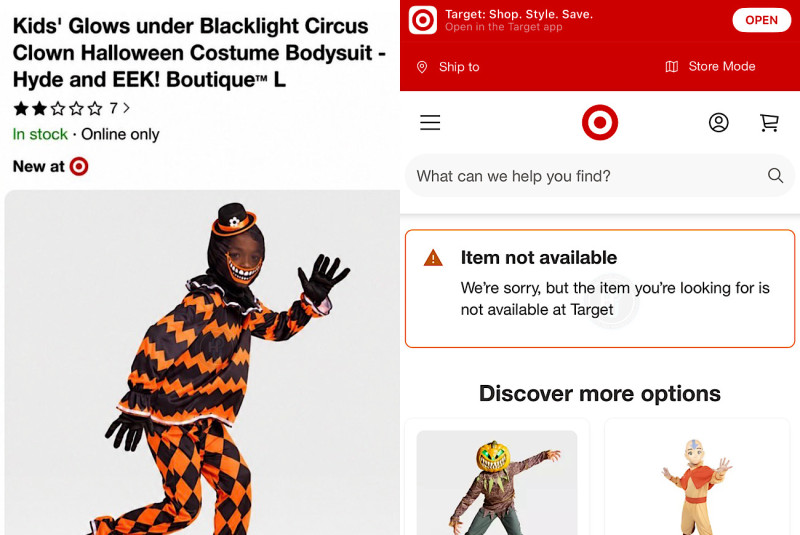
Target is once again embroiled in controversy over a Halloween costume that critics have accused of evoking racist stereotypes of Black people. This is not the first time the Minneapolis-based retailer has faced backlash over its products, further complicating its public relations and DEI initiatives.
The Controversial Costume and Immediate Backlash
Target introduced a children's Halloween costume for the recent season, depicting a circus clown. Critics quickly pointed out that the costume's design evoked racist blackface and minstrel show imagery, which have historically been used to demean and ridicule Black people. The costume was pulled from the website and shelves following the backlash.
Social media users were particularly vocal in their criticism, with many sharing images and videos comparing the costume to offensive caricatures. The outcry was swift and widespread, highlighting the sensitivity around racial representations in popular culture.
Target's Response to the Controversy
In response to the backlash, Target issued an apology. The company acknowledged that the costume was offensive and should never have been included in their product lineup. The company also expressed regret for the hurt caused, particularly to Black customers, employees, and partners.
"As a company, we know we got this wrong, and we are deeply sorry. The costume is offensive and should never have been part of our assortment," the statement read.
Target has vowed to review its processes to prevent similar incidents in the future. The company is conducting an internal investigation to understand how the costume was approved and what changes are needed to avoid such controversies. The company is committed to learning from this mistake and making necessary adjustments to their product selection and review processes.
The Broader Context of Target's Recent Controversies
This is not the first time Target has faced backlash over its products. Recently, activists called for a boycott of the company after it decided to walk back its Diversity, Equity, and Inclusion (DEI) initiatives. The latest controversy adds to a growing list of incidents that have put Target under scrutiny for its handling of sensitive issues.
This recent controversy underscores the challenges retailers face in navigating the complexities of inclusive representation and cultural sensitivity. It also highlights the importance of thorough vetting and community engagement in the product development process. As Target continues to evolve, it will need to balance its commercial goals with the expectations of an increasingly diverse and vocal customer base. The next steps for Target will involve concrete actions to prevent such controversies in the future, ensuring that their products are inclusive and respectful of all communities.
How does this story make you feel?
 Up next · EntertainmentTarget's Circus of Controversy: Halloween Costume Sparks Racial Backlash