Target Halloween Costume Controversy: Controversial Minstrel Clown Outfit Sparks Outrage
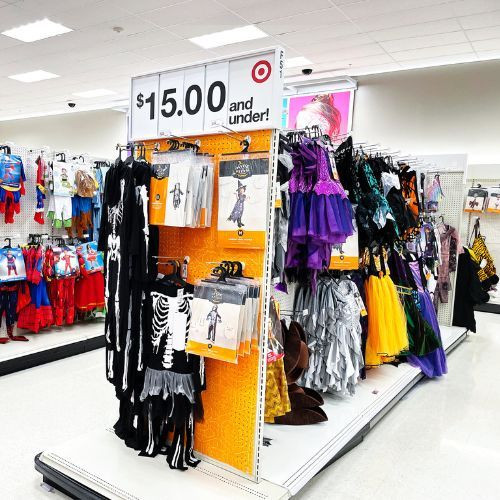
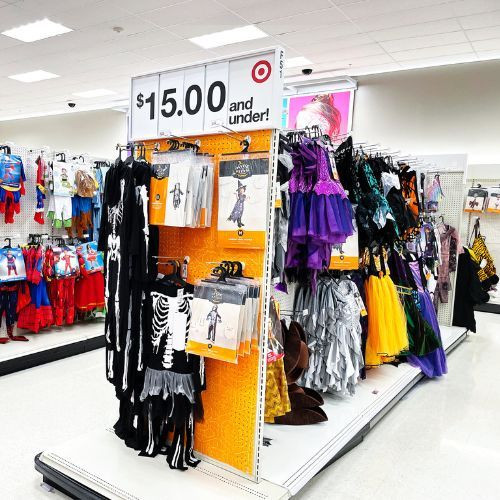
Target has once again found itself at the center of a storm, this time over a Halloween costume that critics say invokes deeply offensive racial stereotypes. The offensive costume has been pulled from shelves, but the backlash continues to reverberate, raising questions about corporate oversight and social responsibility.
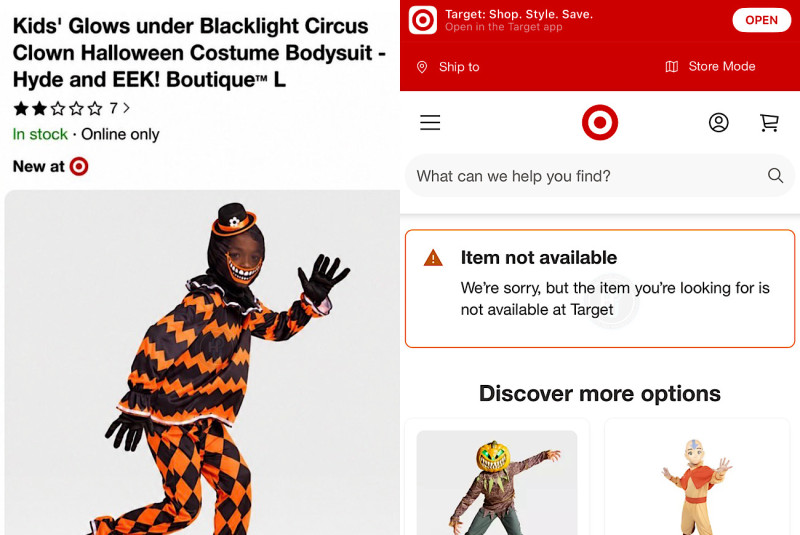
The Costume in QuestionThe costume in the spotlight is a children's Halloween clown costume that critics have likened to Blackface and minstrel shows, historically used to degrade and mock Black people. The outfit, featuring a white face paint with red accents and exaggerated lips, has been deemed offensive and racist, sparking a wave of condemnation on social media and beyond.
Target's Response and ApologyIn response to the mounting criticism, Target issued a public apology, acknowledging the offense caused by the costume. The retailer swiftly removed the product from its shelves and online stores, stating, "The costume is offensive and should never have been part of our assortment.
Target's apology underscores the magnitude of the backlash and the company's recognition of its misstep. However, the incident raises broader questions about how such an offensive item made it to market in the first place. Internal reviews are underway to prevent similar incidents in the future, but the damage has already been done. The controversy comes at a difficult time for Target, which has faced recent backlash over its decision to walk back diversity, equity, and inclusion (DEI) initiatives.
“As a company, we know we got this wrong, and we are deeply sorry. The costume is offensive and should never have been part of our assortment.Public Reaction and Social Media Furor
The public reaction to the offensive costume has been swift and unyielding. Social media platforms have erupted with users expressing their outrage, questioning how such a blatantly offensive item could reach the market. The incident has prompted a broader discussion on corporate responsibility and the need for more stringent oversight in product development. The controversy has also reignited debates about the role of halloween costumes in perpetuating harmful stereotypes and the ethical responsibilities of retailers.
One of the most significant aspects of this controversy is the speed at which it unfolded. In a matter of days, what seemed like a routine Halloween product launch turned into a full-blown crisis for Target. The rapid backlash highlights the power of social media in holding corporations accountable and the importance of sensitivity in product design.
Target’s recent controversies, including the decision to walk back DEI initiatives, have made the company a focal point for critics advocating for greater corporate responsibility. The Halloween costume controversy adds another layer to this ongoing narrative, further complicating Target’s efforts to rebuild its public image.
Think again. In the age of instant information and public scrutiny, companies must navigate a delicate balance between innovation and sensitivity. The Halloween costume fiasco serves as a stark reminder that even the most well-established brands are not immune to the repercussions of insensitive product design.
What does this mean for the future of Halloween costumes and the broader retail industry? As consumers become more vocal and socially aware, retailers will need to adapt, ensuring that their products align with evolving standards of inclusivity and sensitivity. The target costume controversy offers a critical lesson in corporate responsibility and the importance of listening to consumer feedback.
In the wake of the controversy, Target faces a challenging road ahead. While the retailer has taken steps to address the issue, the impact of this incident will linger, serving as a reminder of the high stakes involved in product design and marketing. The company’s handling of the controversy will be closely watched, as will its efforts to rebuild trust with its diverse customer base.
But the question remains: How can companies better ensure that offensive products never make it to market? The answer isn't as simple as it might seem. As retailers continue to push the boundaries of innovation, the line between creativity and insensitivity becomes increasingly blurred. The Halloween costume controversy underscores the need for a more nuanced approach, one that prioritizes inclusivity and respect for all communities.
How does this story make you feel?
 Up next · EntertainmentDolly Parton’s Passing Leaves the Country Music World in Mourning