The Target Halloween Costume Controversy: When Corporate Missteps Evoke Historical Shadows
In the ever-evolving landscape of retail, corporate missteps can sometimes cast long, historical shadows, evoking comparisons to past injustices. Recently, Target found itself at the center of a Halloween costume controversy that thrust the retailer into a maelstrom of criticism and backlash. The offensive Halloween costume in question was more than just a wardrobe choice; it was a blunder that tapped into deep, racially charged historical imagery, sparking a fierce public outcry and an immediate apology from the company.
The Costume Controversy: What Went Wrong?
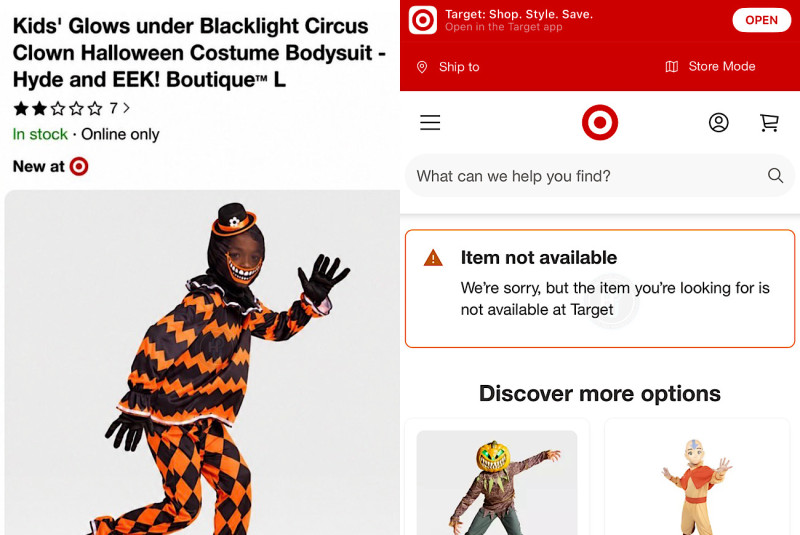
Retail giant Target recently faced widespread criticism over a children's clown costume that was accused of evoking racist blackface and minstrel imagery from the Jim Crow era. The costume, which was swiftly taken down from the retailer's shelves, was described by Target's own statement as "offensive" and "hurtful". The costume's design featured a face paint pattern that many critics compared to blackface, a harmful practice rooted in the racist depictions of African Americans in minstrel shows. This comparison was deeply unsettling for many, especially given the historical and ongoing struggles against racial discrimination.
The Public Outcry: Social Media's Role in the Backlash
The backlash unfolded rapidly, with social media playing a pivotal role in amplifying the controversy. Images and discussions about the costume spread like wildfire across platforms, drawing sharp criticism and demands for an explanation. The viral nature of the controversy underscored the power of social media in holding companies accountable for their actions. In response to the backlash, Target issued an apology, stating, "As a company, we know we got this wrong, and we are deeply sorry. The costume is offensive and should never have been part of our assortment. It is no longer available for sale". This apology came amidst a broader scrutiny of corporate responsibility and the need for sensitivity in product design, especially around historically charged themes. Interestingly, this controversy is not the first time Target has been involved in similar issues, highlighting the continuing challenges companies face in navigating these waters.
The Aftermath: What Comes Next for Target?
Following the removal of the offensive Halloween costume and the public apology, Target must now address the underlying issues that led to this controversy. The company has already taken steps to review its internal processes, ensuring that such incidents do not occur in the future. This controversy underscores the broader need for vigilance in corporate product design, particularly when dealing with themes that can be perceived as offensive or historically charged.
Target’s Halloween costume controversy serves as a cautionary tale in the retail industry, illustrating the potential consequences of overlooking the sensitivities of diverse communities. Just as Target must grapple with this public relations crisis, it must also address the systemic issues that allowed such a product to be released in the first place. This incident highlights the enduring relevance of historical injustices and the need for continued vigilance in fostering an inclusive and respectful corporate culture.
“As a company, we know we got this wrong, and we are deeply sorry. The costume is offensive and should never have been part of our assortment. It is no longer available for sale.” - Target Statement
The question remains: Can corporations navigate the complexities of modern retail while avoiding the traps of historical and cultural insensitivity? The answer lies in vigilant oversight, a commitment to diversity, and an understanding of the enduring power of historical narratives. When will the next corporate blunder remind us of our past mistakes?
How does this story make you feel?
 Up next · EntertainmentTarget Faces Controversy Over 'Offensive' Halloween Costume