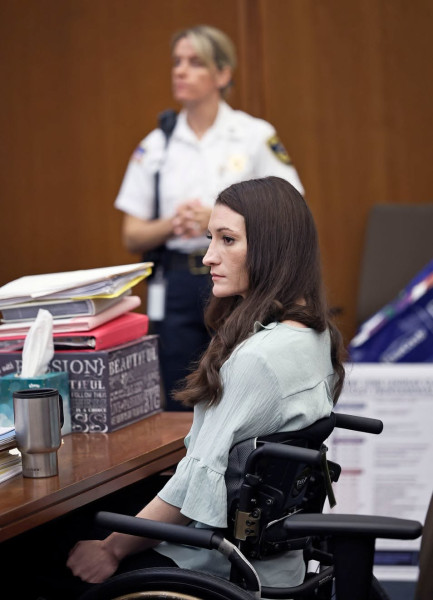
The Lindsay Clancy Trial: A Drama Unfolding in Court

The Lindsay Clancy trial has captured national attention, as the live proceedings and testimony continue to unfold in the courtroom. The trial, centered around the tragic deaths of Clancy's three children, has kept viewers on the edge of their seats with its emotional testimonies and gripping courtroom drama. As the trial enters its 20th day of testimony, the focus has shifted to the closing arguments and the conclusion of the prosecution's case. Let's dive into the latest developments and what they mean for the future of this high-stakes trial.
The Lindsay Clancy Trial: A Recap
The Lindsay Clancy trial has been a rollercoaster of emotions and legal maneuvers. Lindsay Clancy stands accused of killing her three children, a crime that shocked the nation and left the community in mourning. The trial, which has been broadcasted live on various platforms, including Court TV, has seen intense testimony from medical experts, family members, and law enforcement officials. The prosecution has meticulously presented evidence, including forensic analysis and psychological evaluations, to build their case against Clancy. One of the latest developments includes the testimony of an FBI forensic psychiatrist, who has been a critical witness in the trial. The psychiatrist's assessment of Clancy's mental state and her actions on the day of the incident has been particularly damning. Gregory Saathoff, the psychiatrist, testified that Clancy's claims of hearing a "voice" that compelled her to harm her children were not credible. This testimony has added a new layer of complexity to the trial, as the defense has tried to build a case around Clancy's mental health and potential diminished capacity. One of the counter arguments has been the defense's assertion that Clancy's actions were a result of a severe mental health crisis. They have argued that Clancy's past struggles with mental health and her history of seeking help should be taken into account. This has prompted a deeper examination of the legal and medical implications of mental health in criminal cases. However, the prosecution has countered by presenting evidence of premeditation and intent, arguing that Clancy's actions were deliberate and calculated.
Key Testimonies and Evidence
The Lindsay Clancy trial has seen a range of testimonies that have shed light on the events leading up to the tragic incident. Some of the key testimonies and evidence presented include:
- Forensic Analysis: Detailed forensic reports and analyses of the crime scene have been presented, providing a grim picture of the events that transpired. Experts have testified about the injuries sustained by the children and the timeline of the incident, painting a vivid and disturbing image of the crime scene.
- Psychological Evaluations: Testimonies from several mental health experts have been presented, offering insights into Clancy's mental state at the time of the incident. These evaluations have been crucial in understanding the defense's argument of diminished capacity.
- Family Testimonies: Emotional testimonies from Clancy's family members, including her mother and sister, have provided a personal perspective on her mental health struggles and the events leading up to the tragedy. These testimonies have added a human element to the trial, making it even more compelling for the public.
- Medical Experts: The prosecution has called upon a range of medical experts to testify about the injuries and cause of death of the children. These experts have provided detailed medical reports and analyses, further strengthening the prosecution's case.
"The Lindsay Clancy trial has reminded us of the complexities of mental health and the legal system. It's a tragic case that has highlighted the need for better understanding and support for individuals dealing with mental health issues." - Legal Analyst,
The Lindsay Clancy Trial: What's Next
As the trial heads towards its conclusion, the focus is now on the closing arguments. Both the prosecution and the defense are expected to present their final arguments, summing up their cases and making their final pleas to the jury. The prosecution is likely to emphasize the evidence of premeditation and intent, while the defense will continue to argue for diminished capacity due to mental health issues. The outcome of this trial will have far-reaching implications, not just for Clancy but for the broader debate on mental health and criminal responsibility. Regardless of the verdict, the Lindsay Clancy trial will continue to be a focal point of public interest and legal discourse. The emotional and legal complexities of this case are likely to keep the nation engaged, as we await the final verdict in this tragic tale.
How does this story make you feel?
 Up next · WorldThe Closing Arguments Begin in the Lindsay Clancy Trial