COP31 climate talks end without agreement on fossil fuels
COP31 in Antalya, Turkey, concluded without a deal as nations failed to agree on language phasing out fossil fuels, prompting criticism from UN leaders.
Key points
- COP31 ended without a final agreement due to a stalemate over fossil fuel phase-out language.
- The conference was held in Antalya, Turkey, with representatives from nearly 200 countries.
- UN Secretary-General António Guterres described the outcome as deeply disappointing.
- Negotiations broke down because some nations were unwilling to accept curbs on fossil fuel exports.
- The lack of a deal puts previous climate progress at risk and raises questions for future negotiations.
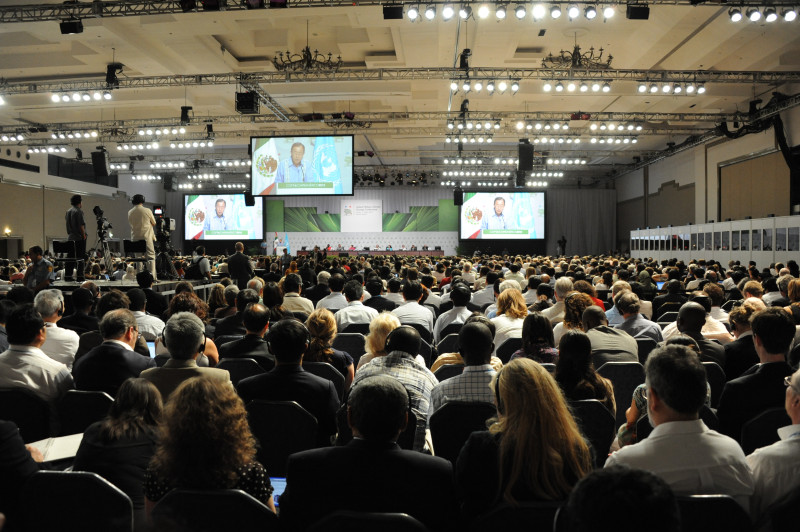
In the fluorescent glare of a somber briefing room, climate delegates stared at their screens, the hum of phones buzzing in pockets as the final deadline for a climate pact ticked away. The latest round of United Nations climate talks, known as COP31, had ended in disarray, with no agreement reached on a critical climate deal. This year’s conference, held in Antalya, Turkey, was marked by intense divisions over the role of fossil fuels in global warming, a contentious issue that ultimately led to the collapse of negotiations.
Negotiations Break Down Over Fossil Fuel Language
At the heart of the COP31 negotiations was a seemingly simple but deeply divisive issue: whether to include explicit language in the final agreement to phase out fossil fuels. The conference, which included representatives from nearly 200 countries, was fraught with tension as nations grappled with the implications of such a commitment. Some countries, particularly those heavily reliant on fossil fuel exports, were unwilling to accept language that would effectively curtail their economic lifelines. This standoff led to a stalemate that could not be broken, despite extended talks and overtimes
The absence of a concrete agreement means that the significant progress made in previous years is now at risk. The collapse of COP31 reflects the broader challenge of achieving global consensus on climate action, an issue that has become increasingly urgent as the impacts of climate change become more apparent. The lack of a deal underscores the deep-seated divisions among nations over how to address the fossil fuel industry, which remains a primary driver of global warming
Reactions and Implications
UN Secretary-General António Guterres described the outcome as "deeply disappointing." In a statement, he expressed his frustration, saying, "We have once again failed to reach a comprehensive agreement that reflects the urgency of the climate crisis. This is a setback for the world, and for future generations." Guterres’ comments echoed the sentiments of many climate advocates who had hoped that COP31 would deliver a significant step forward in global climate action. The failure to reach an agreement has left many activists and policymakers wondering what the next steps will be and how to bridge the gaping divide that has emerged. The UN Climate Change Executive Secretary Simon Stiell, who was present at the negotiations, shared a similar sentiment, highlighting the need for continued dialogue and cooperation despite the current setback
The collapse of COP31 has significant implications for global climate policy. Without a unified agreement, efforts to reduce greenhouse gas emissions and transition to renewable energy sources may face even greater obstacles. The stalemate also casts a shadow over future climate negotiations, raising questions about whether the international community has the will and the means to address the climate crisis effectively. Experts warn that the lack of progress could embolden fossil fuel industries, jeopardizing global efforts to combat climate change
The world has waited for humanity to come together and address the climate crisis. The failure of COP31 is a stark reminder that we still have a long way to go. Our future depends on our ability to overcome these divisions and work towards a sustainable planet.
Looking Ahead
The failure of COP31 does not mean the end of the fight against climate change. — Many countries and organizations have already committed to ambitious climate goals, and the failure to reach an agreement will likely spur further action at the national and regional levels. The collapse of COP31 may also serve as a catalyst for renewed efforts to find common ground and forge a path forward. The challenge now is to channel the frustration and disappointment into constructive action, ensuring that the momentum for climate action is not lost.
Your questions, answered
Why did COP31 climate talks fail?
Negotiations collapsed because delegates could not agree on explicit language to phase out fossil fuels, leading to a stalemate.
Where was COP31 held?
The conference was held in Antalya, Turkey.
What did the UN Secretary-General say about COP31?
António Guterres described the outcome as deeply disappointing and a setback for the world and future generations.
Quick poll
What is the most significant impact of the COP31 failure?
0 votes
How does this story make you feel?
Topics
 Up next · PoliticsThe latest revelations on the JFK assassination spark renewed controversy