Lindsay Clancy Verdict: Awaiting Final Decision in High-Stakes Murder Trial
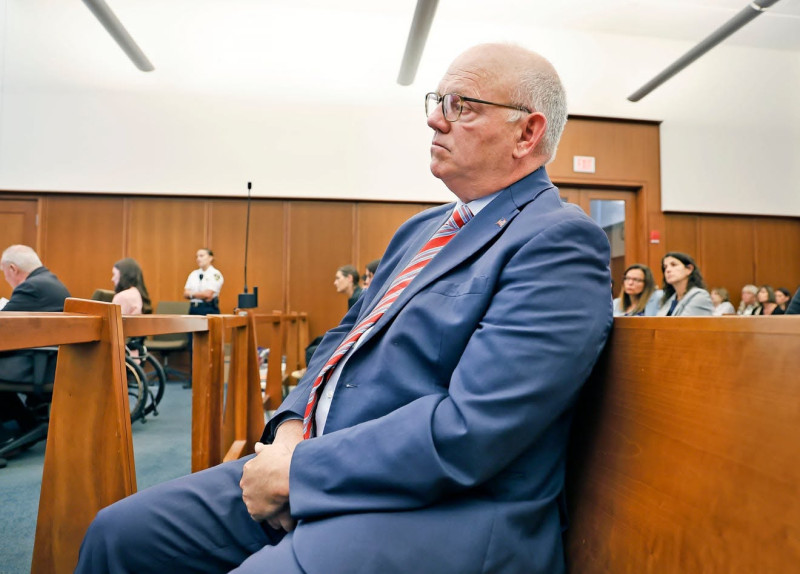
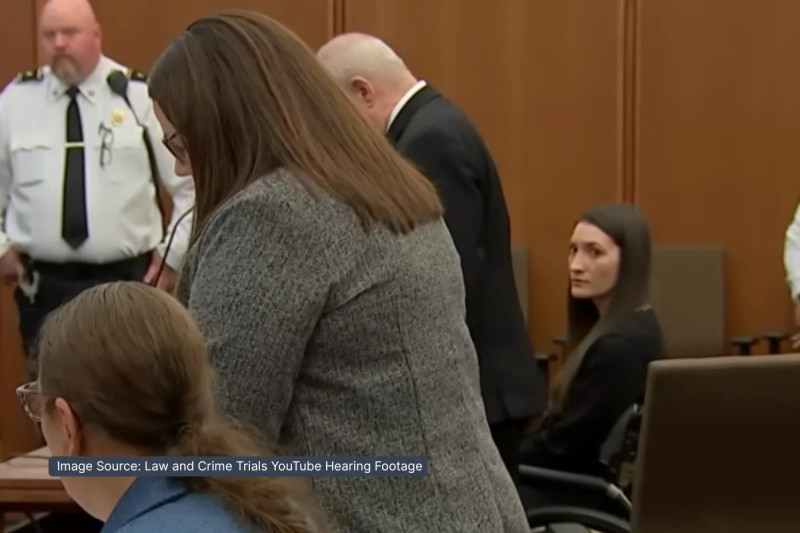
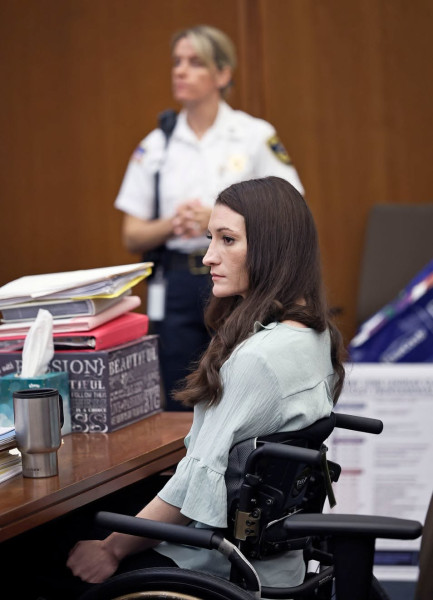
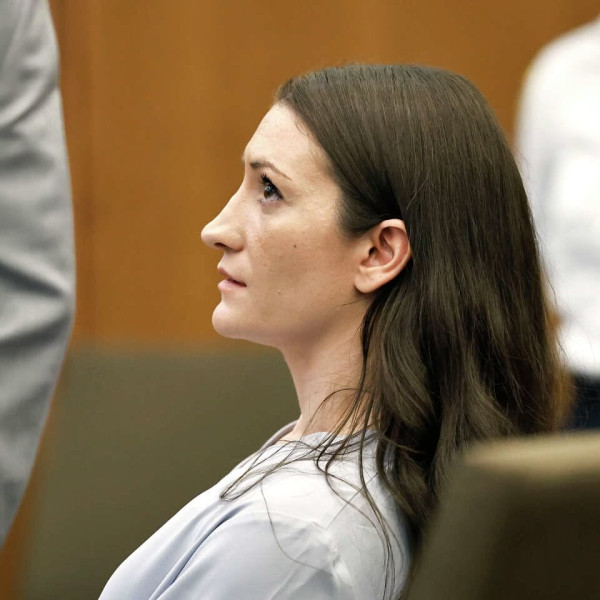
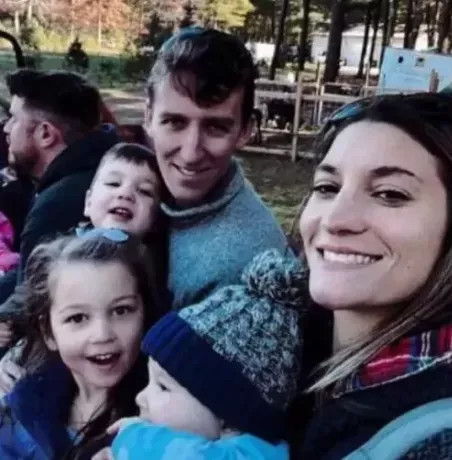
The courtroom in Plymouth, Massachusetts, is charged with an electric tension that has been building for days, weeks, even months. The focus is on Lindsay Clancy, a woman accused of strangling her three children in January 2023. Clancy has pleaded not guilty to three counts of first-degree murder, but the jury is deliberating her fate. Outside the courtroom, the air is thick with anticipation, as crowds of reporters and onlookers wait for any sign of what may come.
Closing Arguments: Emotional Testimony and Forensic Insights
The jury is tasked with a monumental decision. Forensic psychiatrists, including Phillip Resnick, the expert who testified in Andrea Yates' 2006 insanity trial, provided crucial insights into Clancy's mental state, arguing that postpartum psychosis could have played a significant role in her actions. Clancy's closing arguments hinged on this defense, as her lawyers sought to prove she was not criminally responsible for the deaths of her children. The prosecution, however, maintained that Clancy's actions were premeditated and deliberate, calling for a conviction on first-degree murder charges.
The Crucial Question: Criminal Responsibility
Legal experts have highlighted the complex nature of the case, emphasizing that the prosecution faces a substantial challenge in proving Clancy's criminal responsibility. The court has allowed the jury to consider manslaughter as an alternative verdict, adding another layer of complexity to the deliberation process. With first-degree murder, second-degree murder, and manslaughter all on the table, the jury must weigh the evidence carefully. The verdict will determine not only Clancy's immediate future but also set a precedent for how similar cases involving postpartum psychosis are handled in the legal system.
Emotional Testimony and Forensic Insights
The trial has been a rollercoaster of emotional testimony and forensic insights. The prosecution and defense both presented compelling arguments, with the prosecution focusing on the brutal nature of the crime and the defense emphasizing Clancy's mental state. The final witness, FBI psychiatrist Gregory Saathoff, provided a chilling account of his interactions with Clancy, stating he had treated only two women with postpartum psychosis in his career, both decades earlier. His testimony underscored the rarity and severity of Clancy's condition, adding weight to the defense's argument that she was not in control of her actions.
As the jury deliberates, the courtroom remains silent, the air thick with the weight of the decision that lies ahead. The verdict, whenever it comes, will be a turning point in a case that has captivated the nation, sparking conversations about postpartum mental health and the controversial "insanity defense". Clancy stands ready to face her fate, her lawyer by her side, as the courtroom waits with bated breath for the verdict that will shape her future.
How does this story make you feel?
 Up next · WorldKing Charles and Queen Camilla Express Heartbreak Over Nepal Floods: A Devastating Aftermath