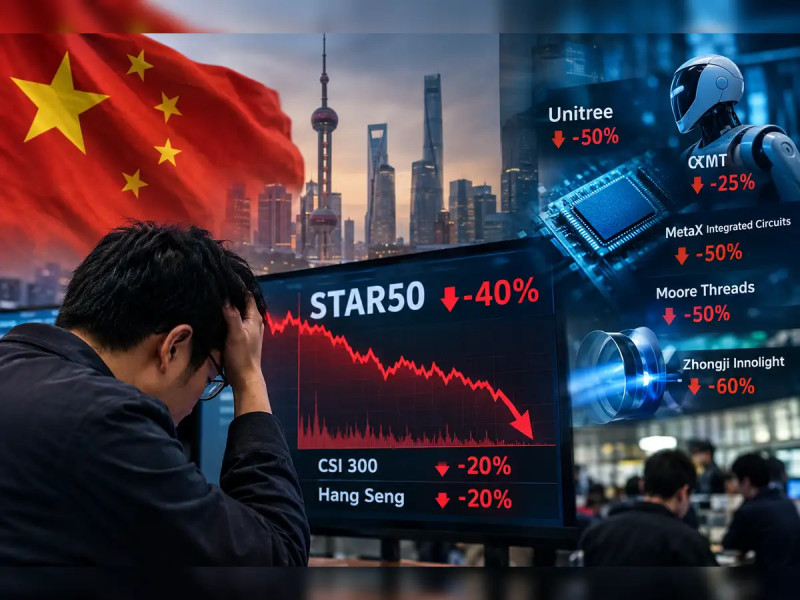
Xi Jinping's Recent Visit to Shenzhen: A Boost for China’s Tech Industry
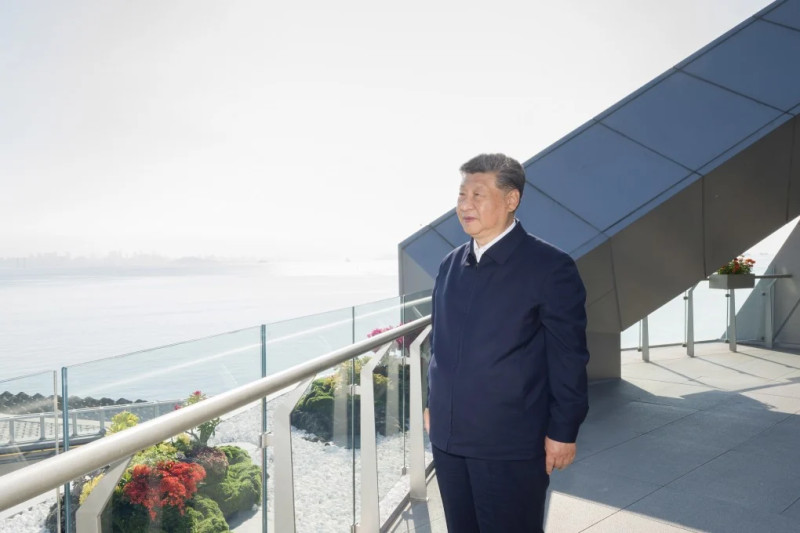
Xi Jinping, the President of China, has recently visited Shenzhen, a major tech hub in the country. This visit has sparked significant interest and speculation globally, especially in the context of his relationship with former U.S. President Donald Trump and his counterpart, Vladimir Putin. Shenzhen, known for its rapid technological advancements, has become a focal point for innovation and economic growth in China. Xi Jinping's visit underscores the strategic importance of the tech sector in China's future plans, and its implications for global relations.
Xi Jinping's Emphasis on Innovation and Technology
Xi Jinping's visit to Shenzhen is part of a broader effort to promote innovation and technological advancement in China. During his visit, Xi Jinping highlighted the importance of technological self-reliance and innovation as key drivers of China's economic growth. He visited several key tech companies and innovation centers. This visit comes at a time when China is pushing to reduce its reliance on foreign technology and become a global leader in various tech sectors, including artificial intelligence, quantum computing, and 5G technology.
Xi Jinping’s emphasis on innovation aligns with China's broader strategic goals. The country aims to become a global leader in high-tech industries, which are seen as crucial for maintaining economic growth and national security. Xi Jinping’s visit to Shenzhen, a city known for its entrepreneurial spirit and technological prowess, serves as a symbolic boost to these efforts.
During his visit, Xi Jinping met with tech company executives and researchers, reinforcing the message that the government is committed to supporting the tech sector’s growth. He also called for greater collaboration between academia, industry, and government to foster innovation. The visit underscores China’s ambition to lead in cutting-edge technologies, a goal that has been a central focus of Xi Jinping’s leadership.
“Xi Jinping's visit to Shenzhen sends a clear message to the world: China is serious about becoming a tech superpower,” said an industry analyst from the Financial Times who requested anonymity. “This visit is not just about boosting local morale; it’s about setting the stage for future global competition in tech.”
Implications for Global Relations and Trump-Putin Dynamics
Xi Jinping's visit to Shenzhen also has broader implications for global politics, particularly in the context of his relationship with former U.S. President Donald Trump and Russian President Vladimir Putin. Recently, the geopolitical landscape has been marked by tensions and alliances shifting rapidly. Xi Jinping’s focus on technological advancement is seen as a direct response to the U.S.'s tech dominance and its strategic partnership with allies, including Japan and India, in the Indo-Pacific region.
Xi Jinping’s visit to Shenzhen comes at a time when the U.S. is grappling with internal challenges and external pressures. The U.S. has been a global leader in technology, with giants like Apple, Google, and Microsoft dominating various tech sectors. However, China’s rapid advancements in technology pose a significant threat to U.S. hegemony in this domain. Xi Jinping’s initiatives in Shenzhen are aimed at closing this gap and asserting China’s position as a global tech leader.
One of the key areas of focus during Xi Jinping’s visit was the development of 5G technology, a sector where China has already made significant strides. The country is home to several leading 5G technology companies, including Huawei and ZTE, which have been at the forefront of global 5G deployment. Xi Jinping’s visit serves as a reminder to the world that China is not just catching up but is poised to lead in this critical technology.
Xi Jinping's visit to Shenzhen is also seen as a strategic move to counterbalance the influence of Russia in the region. While Russia and China have been strategic partners, their interests do not always align, particularly in the tech sector. Xi Jinping’s focus on technological advancement is seen as a direct response to Russia’s efforts to gain a foothold in the tech industry. “Xi Jinping’s visit to Shenzhen is a clear message to Russia and the world that China is serious about becoming a tech superpower,” said an expert from the Washington Post.
The Future of China’s Tech Industry and Global Competition
With Xi Jinping’s recent visit to Shenzhen, the future of China’s tech industry looks promising. The visit has galvanized support for innovation and technological advancement, with key stakeholders in the tech sector expressing optimism about the future. Shenzhen, with its vibrant tech ecosystem, is poised to play a pivotal role in China’s tech ambitions, leveraging its strengths in innovation, entrepreneurship, and government support.
However, the road ahead is not without challenges. China faces stiff competition from the U.S. and other global tech leaders. Additionally, internal challenges, such as a talent shortage and regulatory hurdles, could pose obstacles to China’s tech ambitions. Despite these challenges, Xi Jinping’s visit to Shenzhen serves as a rallying call for the tech industry, signaling the government’s commitment to supporting its growth.
Xi Jinping’s visit is a reminder that the competition in the tech sector is heating up, with China and the U.S. vying for global dominance. As Xi Jinping continues to push for technological self-reliance and innovation, the world watches closely to see how these efforts will shape the future of the tech industry. But what does this mean for the average person? Will the tech arms race lead to new innovations that benefit humanity, or will it deepen the divide between the tech haves and have-nots? Only time will tell. Sound familiar?
How does this story make you feel?
 Up next · TechNew GTA 6 Screenshots Reveal Hostage Scenes, Weather System and Expanded Leonida Map