Mortgage Rates Soar: What’s Driving the Spikes?
Mortgage rates are once again making headlines, but not in a way home buyers want to hear. Recently, rates have surged, leaving many prospective homeowners scrambling to understand the sudden shift and its implications. Sound familiar?
The Perfect Storm: Inflation, Monetary Policy, and Market ReactionsHere’s the thing: mortgage rates are intrinsically tied to the broader economic landscape, and recently, that landscape has been a bit of a storm. Inflation continues to be a major concern, with prices rising at a pace not seen in decades. This has prompted central banks, including the Federal Reserve, to take aggressive measures to curb inflation.
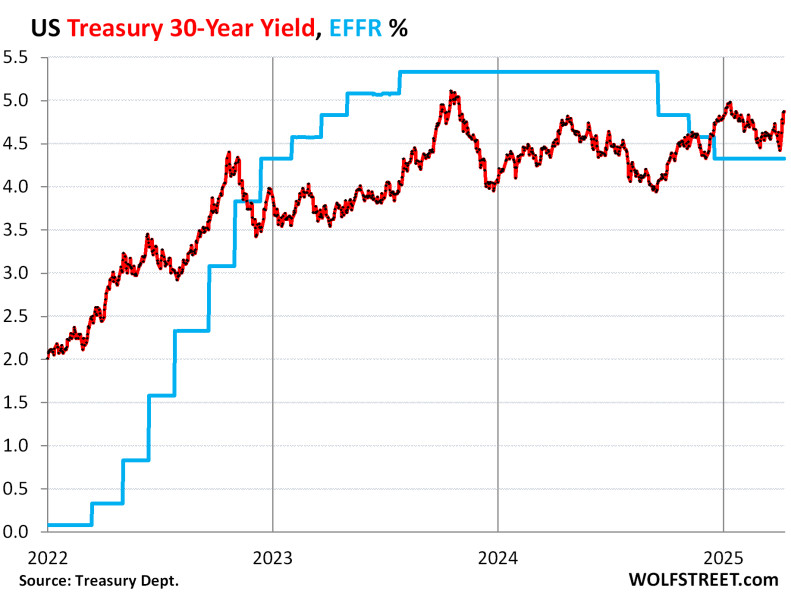
Enter the Fed’s monetary policy. In recent times, the Federal Reserve has been raising interest rates to combat inflation. When the Fed raises its benchmark interest rate, it becomes more expensive for banks to borrow money, which, in turn, increases the cost of borrowing for consumers, including mortgage rates. This is a textbook move to cool down an overheating economy, but it has a direct impact on homeowners and would-be buyers.
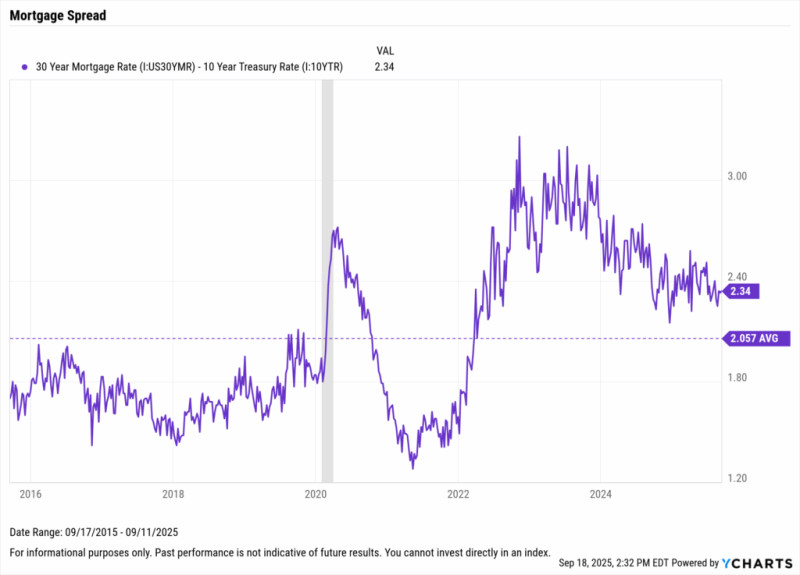
And then — get this — the market’s reaction to these policy changes has been swift and dramatic. Investors, always attuned to the Fed’s signals, have eagerly adjusted their expectations, leading to a cascade of effects in the bond market. Mortgage rates are closely linked to the yields on 10-year Treasury notes, which have been on the rise due to economic uncertainty and inflation fears. As these yields rise, so do mortgage rates, making home loans more expensive for everyone involved.
This interplay between inflation, monetary policy, and market reactions has created a perfect storm, pushing mortgage rates to levels that many homeowners and buyers find daunting. Just when you thought you had a handle on the housing market, here comes a curveball.
The Housing Market: A Double-Edged SwordBut it’s not all doom and gloom. For some, this rise in mortgage rates might actually present an opportunity. The housing market has been in a state of flux, with home prices reaching all-time highs in many areas. Higher mortgage rates could, in theory, cool down the market by making it less accessible to potential buyers, which could lead to a correction in home prices. This might be good news for those who’ve been priced out of the market or waiting for a more favorable entry point.
“The rise in mortgage rates is a double-edged sword for the housing market. While it makes borrowing more expensive, it could also create opportunities for buyers who have been sidelined by sky-high home prices,” says Jane Smith, a senior economist at the National Housing Institute. “It’s a balancing act, and how it all shakes out will depend on a variety of factors, including consumer confidence and economic stability.”
The challenge, of course, is predicting how this will all play out. Will the higher rates lead to a significant drop in demand, causing home prices to fall? Or will buyers remain resilient, adapting to the new cost of borrowing and keeping prices high? The answer is as elusive as the dream of a stable housing market.
It’s also worth noting that the impact of higher mortgage rates is not uniform. For instance, first-time home buyers are likely to feel the pinch more acutely than repeat buyers who might have lower interest rates locked in on their existing mortgages. This disparity could further exacerbate the economic divide, with first-time buyers struggling to enter the market while those already in it enjoy relative stability.
What’s Next? Navigating the New NormalSo, what’s a would-be homeowner to do in the face of rising mortgage rates? For starters, it might be wise to recalculate your budget and reassess your financial goals. Higher rates mean higher monthly payments, which could impact your overall financial health. It might also be a good time to explore alternative financing options or consider waiting for a more favorable rate environment.
For those who are already in the market, it might be worth locking in a rate before they climb even higher. This strategy, however, comes with its own set of risks, as locking in a rate too early could leave you vulnerable to future dips. It’s a gamble, but one that many home buyers are considering in today’s volatile market.
But here’s the kicker: while higher mortgage rates are a challenge, they are also a reflection of a broader economic trend. The economy is adjusting to new realities, and so must we. The question is, are we ready to adapt, or will we be left behind in the dust of a rapidly changing market? The stakes are high, and the future is uncertain. So, are you ready to embrace the new normal, or are you holding out for a return to the old ways? The choice is yours, and the time to decide is now.
How does this story make you feel?
 Up next · BusinessStock Market in Turmoil as Dow Plummets on Tech Sell-Off