U.S. Bond Market Sell-Off: What's Driving the 30-Year Treasury Yield Surge?
Imagine you're sitting at your desk, sipping coffee, and suddenly you see headlines flashing across your screen about the U.S. bond market sell-off. The 30-year Treasury yield is skyrocketing, and mortgage rates are following suit. It's enough to make anyone's morning coffee taste a little bitter. But what's really going on here? Let's dive in and unpack this economic roller coaster.
Unpacking the 30-Year Treasury Yield Surge
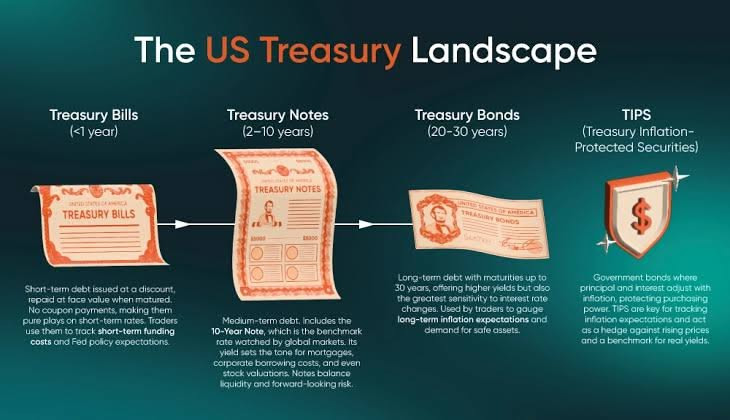
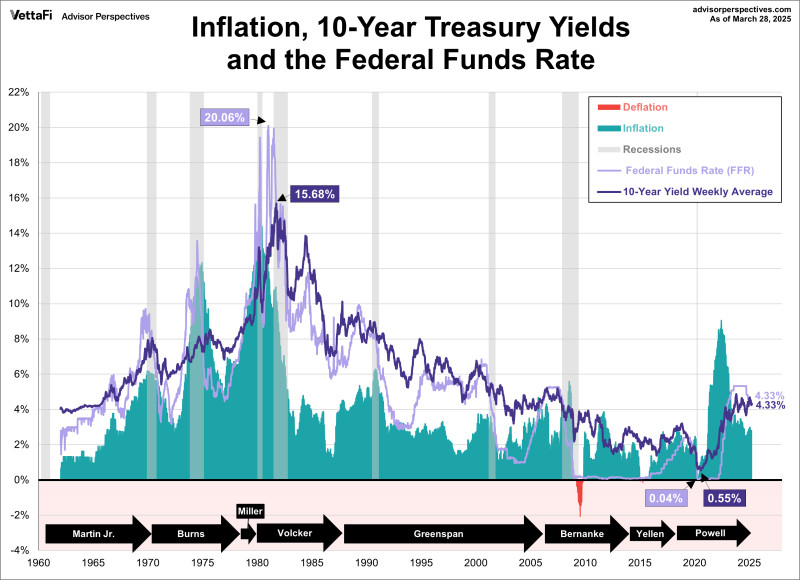
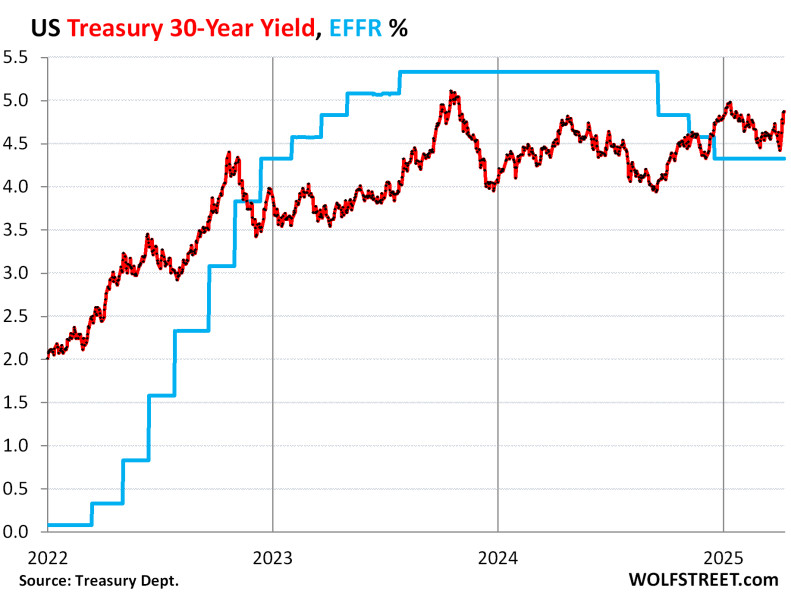
The 30-year Treasury yield has hit its highest level since 2007, sending ripples through the financial markets. The yield on the 30-year Treasury bond recently reached 5.3%, a level last seen nearly two decades ago. This sudden spike is a clear indicator of investor concerns and economic shifts. The Treasury yield is a crucial benchmark for long-term interest rates, influencing everything from mortgage rates to corporate borrowing costs.
Here’s why this matters: When the 30-year Treasury yield goes up, it means the cost of borrowing for the government and other long-term borrowers increases. This affects everything from student loans to the housing market, making it more expensive to finance large purchases. For instance, mortgage rates, which are closely tied to the 10-year Treasury yield, have also seen a significant rise, reaching 4.7% from 4.2% recently.
The Ripple Effect on Mortgage Rates
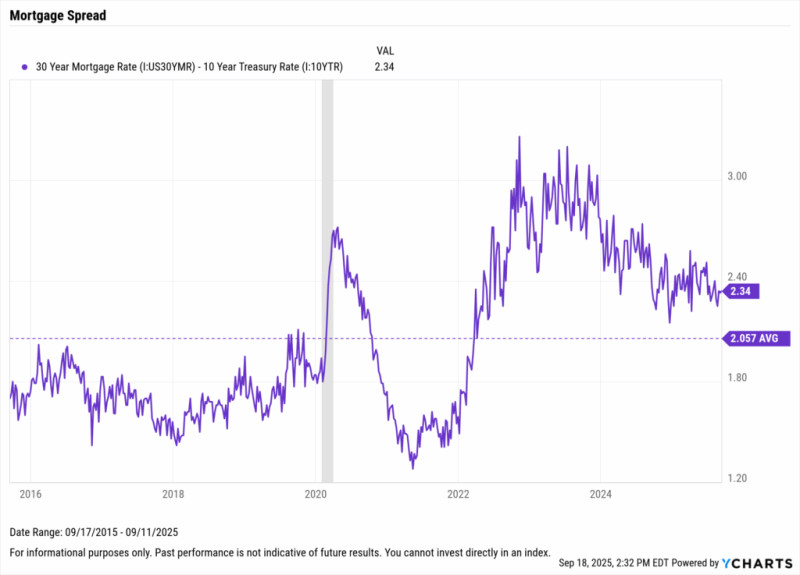
Now, let's talk about 30-year mortgage rates. If you've been thinking about buying a house, you might want to sit down for this. The 30-year mortgage rate is closely linked to the 10-year Treasury yield, and with the recent sell-off, mortgage rates have also surged. This means that the cost of borrowing for homebuyers is increasing, making the dream of homeownership a bit more daunting.
The average 30-year mortgage rate closely tracks the 10-year Treasury yield. As the 10-year Treasury yield rose, so did the cost of borrowing, making it more expensive to finance a home. This has significant implications for the housing market, potentially slowing down home sales and affecting the broader economy. The Yale Budget Lab reported that fiscal policy contributions to interest rates over the past decade have increased the lifetime cost of a median 30-year home mortgage by approximately $76,000.
The Role of the U.S. Treasury and Market Dynamics
Let's not forget the U.S. Treasury Department, which has been making some waves in the bond market. Recently, the Treasury announced a surprise move to ease rates, which led to a temporary drop in the 30-year Treasury yield from 5.26% to as low as 5.18%. But this was just a brief respite in an otherwise tumultuous market.
The Treasury's actions are closely watched by investors and economists alike. The department's recent announcement that outstanding public debt had reached $40 trillion for the first time added fuel to the fire, highlighting the government's financial strain and influencing investor sentiment.
The Treasury also announced that outstanding public debt had reached $40 trillion for the first time, a significant milestone that underscores the government's financial position. This development has sparked speculation about the future of borrowing costs and the potential impact on the economy.
The U.S. Treasury Department's recent actions, coupled with broader economic concerns, have created a volatile environment in the bond market. As investors grapple with these uncertainties, the 10-year Treasury yield has also seen fluctuations, currently hovering around 4.7%. This yield is particularly significant because it influences mortgage rates and other long-term borrowing costs.
As of now, the Treasury yields are relatively stable, but the market is bracing for the Federal Reserve's next move. The release of the Federal Reserve's minutes from the July 29 Federal Open Market Committee (FOMC) meeting is anticipated to provide more insights into future rate decisions and economic outlook, which could further impact the U.S. bond market sell-off.
Remember, this isn't just about numbers on a screen. It's about the real impact on people's lives—whether they're saving for retirement, buying a home, or simply trying to navigate a world where the cost of borrowing keeps shifting. So, keep an eye on those Treasury yields and mortgage rates, because they're telling a story about our economic future.
How does this story make you feel?
 Up next · BusinessXRP Price Surges Amid Regulatory Developments