Heat Index Soars in Washington D.C., Sparking Public Health Concerns
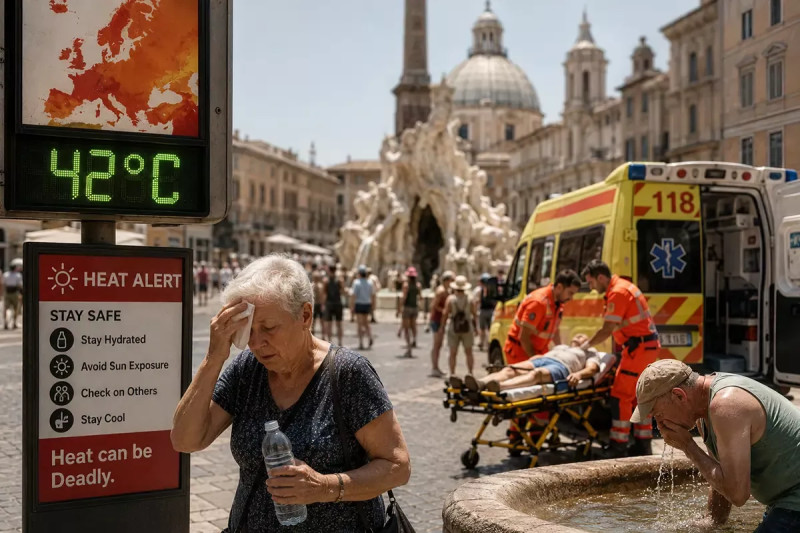
In the fluorescent glare of the briefing room, the air conditioning hummed, a stark contrast to the sweltering heat outside. The sudden spike in the heat index in Washington D.C. has left residents and officials in a state of heightened alert, as the city grapples with unprecedented summertime conditions. The heat index is a measure that combines air temperature and relative humidity to determine human-perceived equivalent temperature — the heat index has surpassed 110°F in recent days, causing widespread discomfort and raising concerns about public health.
Public Health Alerts and Community Preparedness
The heat index's impact is not just about discomfort; it's a matter of life and death. — Public health officials have sounded the alarm, urging residents to take extra precautions. The District of Columbia's Department of Health has issued heat advisories, emphasizing the need for hydration, cool environments, and regular check-ins on vulnerable populations. The city's emergency response teams are on high alert, anticipating a rise in heat-related illnesses. — As the heat index soars, the city's resources are stretched thin, and officials are calling for community support to ensure everyone stays safe.
The Science of Extreme Heat Index Conditions
The science behind the heat index is complex, but its effects are clear. The combination of high temperatures and humidity creates a dangerous environment where the body's natural cooling mechanisms become ineffective. This leads to a higher risk of heat exhaustion and heatstroke, especially for those without access to adequate cooling. The National Weather Service has been closely monitoring the conditions, issuing warnings and advisories to keep the public informed. The agency's meteorologists have provided detailed briefings, explaining the significance of the heat index and its potential impact on public health.
The City's Response to the Heat Index Crisis
Underlying this crisis is a deeper issue: the city's infrastructure and social support systems are under immense strain. The high heat index has exposed vulnerabilities in the city's public health infrastructure, particularly in low-income neighborhoods where air conditioning and access to cooling centers are limited. — This has led to calls for more robust public health initiatives and better infrastructure to cope with extreme heat events. Some officials have suggested that the current crisis could serve as a wake-up call, prompting long-term investments in climate resilience. —
The District's Emergency Manager emphasized the importance of community preparedness, stating, "We need a comprehensive approach that includes not just immediate relief but also long-term solutions to mitigate the impacts of extreme heat."—
How does this story make you feel?
 Up next · HealthNew COVID Vaccines: A Game-changer in the Fight Against Viruses