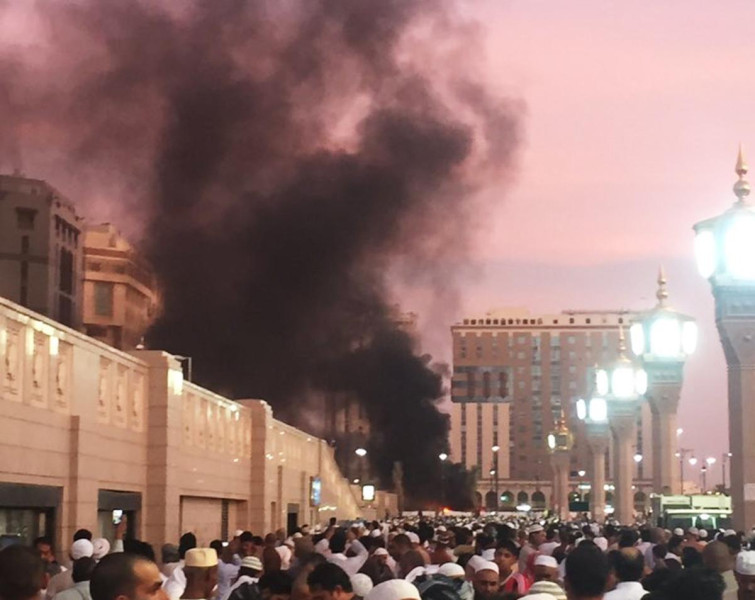
In a shocking turn of events, Saudi Arabia is once again in the global spotlight following a recent attack on Riyadh's airport. The Houthi rebels, known for their contentious relationship with the Kingdom, have targeted the crucial air hub, raising significant concerns over regional stability and security. While details are still emerging, the incident underscores the ongoing tensions between Saudi Arabia and the Houthis, who have been engaged in a protracted conflict for several years.
Riyadh Airport: A Strategic Target
Riyadh’s airport is not just any facility; it is a strategic hub for both domestic and international travel, playing a pivotal role in Saudi Arabia’s connectivity to the world. The attack on this critical infrastructure sends a clear message from the Houthis, who have been fighting against the Saudi-led coalition in Yemen’s civil war. The timing of the attack, while not specifically confirmed, comes at a delicate moment for the Middle East, where geopolitical tensions are already high. This latest incident has sparked concerns about the safety and security of travelers from around the globe, with many airlines and governments reassessing their travel advisories for the region.
Tensions have been escalating in the region for several years, with the Houthis frequently targeting Saudi territory. The Houthis, backed by Iran, have been accused of repeatedly launching missile and drone attacks on Saudi cities and infrastructure. The Saudi-led coalition has responded with airstrikes against Houthi strongholds, leading to a cycle of violence that shows no signs of abating.
Regional Implications and Response
The attack on Riyadh airport has reverberated across the Middle East, prompting swift reactions from regional and international players. The Saudi government has vowed to strengthen its defenses and take decisive action against the Houthis. The United States has also expressed its solidarity with Saudi Arabia, reiterating its commitment to regional stability. The attack has also drawn condemnation from various international bodies, including the United Nations, which has called for an immediate cessation of hostilities.
For the Houthis, the attack on Riyadh airport marks a significant escalation in their campaign against Saudi Arabia. The group has been accused of using civilian populations as shields in their military operations, a tactic that has drawn international criticism. The Yemen conflict, which began in 2015, has resulted in thousands of civilian casualties and has displaced millions more, creating one of the world’s worst humanitarian crises.
The attack on Riyadh airport has also raised questions about the effectiveness of Saudi Arabia’s defense systems. Despite significant investments in advanced military technology, the Houthis have managed to breach Saudi airspace and launch attacks on key targets. This raises concerns about the vulnerability of Saudi Arabia’s infrastructure and the potential for future attacks.
Riyadh airport is a vital link to the world. "The airport serves as a critical infrastructure hub, not only for the Kingdom but for the entire region," said a Saudi official, speaking on condition of anonymity. "This attack is a direct threat to our national security and a violation of international norms. We will not stand idly by as our sovereignty is challenged.”
A Look Ahead: The Path to Peace
As Saudi Arabia and the Houthis remain locked in a deadly stalemate, the path to peace seems more elusive than ever. The recent attack on Riyadh airport is a stark reminder of the escalating tensions in the region. With both sides digging in their heels, the prospects for a diplomatic resolution appear dim. The question remains: What will it take for the conflict to be resolved, and what role will international players—including the United States and the European Union—play in bringing an end to the violence? With the attack on Riyadh airport, the world is once again asking: Is there a way out of this endless cycle of violence, or is the region destined for more turmoil and unrest?
Could the recent attack on Riyadh airport be the tipping point that finally pushes Saudi Arabia and the Houthis to the negotiating table, or will it simply embolden both sides to further entrench their positions, prolonging the conflict and deepening the humanitarian crisis? The answers to these questions will shape the future of the Middle East for years to come, and the world watches with bated breath.