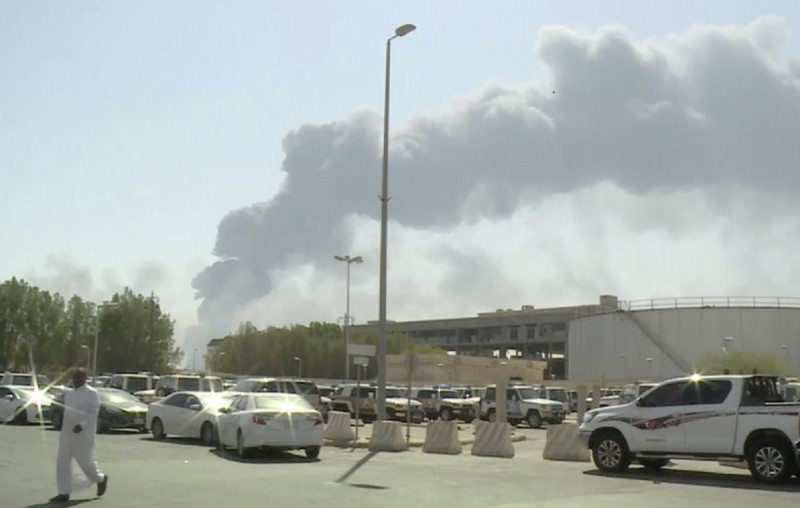
The Houthi attack on Riyadh Airport is the latest blow to Saudi Arabia's security. The attack, which appears to have targeted a civilian airport, has raised concerns about the escalating conflict in the region. The exact number of casualties is not yet known, but the impact on regional stability is undeniable. Recent attacks have shown that the Houthis are capable of striking key infrastructure, challenging Saudi Arabia's defense capabilities.
The Nature of the Attack
The Houthi attack on Riyadh Airport is the latest in a series of escalating attacks by the Iran-backed group in Saudi Arabia. The attack, which involved drones and missiles, targeted both the airport and nearby civilian areas. This was not an isolated incident but part of an ongoing campaign by the Houthis to disrupt Saudi Arabia's infrastructure and security. The attack was reported to have caused significant damage to the airport's facilities, including runway closures and flight disruptions
The Houthis have claimed responsibility for the attack. The group has been escalating its attacks on Saudi Arabia in recent times, targeting both military and civilian infrastructure. This attack comes after a series of similar incidents, highlighting the Houthis' growing capabilities and determination to challenge Saudi Arabia's defenses.
Several airborne projectiles were intercepted, but the extent of damage to the airport's infrastructure remains unclear. The airport is a critical hub for both domestic and international travel in Saudi Arabia. The attack has led to significant disruptions in air traffic and is a clear indication of the Houthis' intent to cause maximum disruption and fear. The Houthis have previously targeted the airport, but the scale and frequency of recent attacks have increased significantly
Saudi Arabia's Response and International Condemnation
As authorities assess the damage and respond to the immediate threat, the Saudi government has condemned the attack. The attack has also drawn international condemnation, with several countries and international bodies expressing concern over the escalating conflict. Saudi Arabia has long been a key ally of the United States and other Western nations, and the attack is seen as a direct challenge to regional stability.
According to available reports, the Saudi government has vowed to take all necessary measures to protect its citizens and infrastructure. The government has not yet released a detailed statement on the attack, but sources indicate that a robust response is being planned. The attack comes at a time of heightened tensions in the region, with ongoing conflicts and political instability.
The United States and other Western nations have also condemned the attack. The U.S. State Department released a statement expressing solidarity with Saudi Arabia and reiterating its commitment to regional security. The international community's response underscores the broader implications of the conflict and the potential for wider regional destabilization. Saudi Arabia's allies are closely monitoring the situation and are likely to provide diplomatic and military support in the coming days
The Broader Implications of the Houthi- Saudi Conflict
The broader implications of the Houthi-Saudi conflict are significant. The Houthis, backed by Iran, have been fighting a prolonged war against the Saudi-led coalition in Yemen. The recent escalation in attacks on Saudi Arabia suggests a shift in strategy, with the Houthis targeting civilian infrastructure to gain maximum impact. The conflict has already resulted in thousands of deaths and a humanitarian crisis in Yemen. The recent attacks on Saudi Arabia raise the possibility of further escalation and prolonged instability in the region.
The conflict has significant geopolitical implications. Saudi Arabia is a key player in global oil markets, and any disruption to its infrastructure could have far-reaching economic consequences. The conflict also has implications for regional security, with the potential for a wider war involving other countries in the region. The international community is watching closely, and the situation could have significant repercussions for global security.
In the immediate aftermath, the focus is on assessing the damage and ensuring the safety of civilians. However, the broader implications of the conflict are becoming increasingly apparent. The international community is likely to play a crucial role in de-escalating the situation and preventing further conflict. The situation remains fluid, and the next few days will be critical in determining the future course of the conflict.
The conflict highlights the growing threat posed by non-state actors in the region. The Houthis' ability to launch sophisticated attacks on key infrastructure underscores the need for enhanced regional security measures. The situation is a stark reminder of the challenges faced by countries in the region and the importance of international cooperation in maintaining peace and stability. The Houthi attack on Riyadh Airport is a chilling reminder of the ongoing conflict in the region and the need for a concerted international effort to address the underlying issues. The Saudi government's response and the international community's reaction will be closely watched in the coming days.
Easing Saudi Arabia's aviation sector back to normalcy is the next challenge. This could involve heightened security measures, expanded surveillance, and international cooperation to mitigate future threats. The effectiveness of these measures will be critical in determining the safety and stability of the region.