Deb Haaland Makes History as First Native American Woman Governor of New Mexico
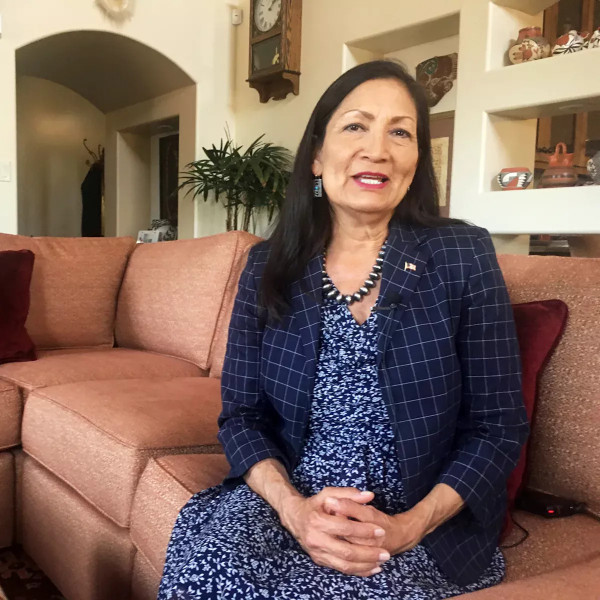
In a groundbreaking victory, Deb Haaland has secured her place in history as the first Native American woman to be elected governor of a U.S. state. Haaland's triumph in the recent New Mexico gubernatorial race marks a monumental shift in the political landscape, showcasing the growing influence of Indigenous voices in American politics.
The Historic Race and its Implications
Deb Haaland's win in the 2026 New Mexico governor's race was a decisive victory, garnering 57.2% of the votes against her Republican opponent, Gregg Hull. Her journey to this historic milestone began with a deep commitment to addressing the challenges faced by New Mexicans, a sentiment she has consistently emphasized throughout her campaign. Haaland's victory not only represents a personal triumph but also serves as a beacon of hope for Indigenous communities across the nation, demonstrating that their voices can shape the future of American politics.
Deb Haaland: A Voice for Change
Haaland's political career has been marked by her dedication to public service and her advocacy for environmental and social justice. Her tenure as the U.S. Secretary of the Interior under President Joe Biden was characterized by bold initiatives aimed at conservation and Indigenous rights. Haaland's decision to run for governor was driven by her determination to tackle the toughest challenges head-on, leveraging her experience to bring about meaningful change in New Mexico.
But let's not kid ourselves; Haaland's victory is not just about her personal journey. It is a testament to the growing political clout of Native American communities. Her election sends a powerful message to the nation about the importance of representation and diversity in leadership. At a time when many are calling for greater inclusion and equity, Haaland's win underscores the need for policies that empower marginalized communities.
The Road Ahead for New Mexico
As New Mexico's first Native American governor, Deb Haaland faces a daunting task of addressing the state's myriad challenges. These include economic revitalization, environmental sustainability, and improving access to healthcare and education. Yet, Haaland's track record suggests she is well-equipped to navigate these complexities and deliver on her promises. Her historic victory is a call to action for policymakers across the country to prioritize the needs of Indigenous communities and create a more inclusive political landscape.
"This election is a turning point for New Mexico and for the nation. It's a victory for Indigenous communities and a testament to the power of representation. Deb Haaland's leadership will inspire a new generation of Indigenous leaders and advocates for change," said a spokesperson for the Indigenous community.
One counter-argument to Haaland's victory is the potential resistance she may face from those who oppose her progressive agenda. Critics argue that her ambitious plans for environmental protection and social justice may face significant opposition from conservative factions within the state. However, Haaland's resilience and determination to overcome these challenges are evident from her past accomplishments.
Despite these potential hurdles, it seems clear that Deb Haaland is poised to make a lasting impact on New Mexico and the broader nation, inspiring further strides towards equality and justice. Her historic win underscores the power of representation and the need for diverse voices in leadership. After all, it’s not just about the numbers; it’s about the people who are now being represented. At the time of her swearing-in, she will become the second Native American governor after Andrew Johnson in 1797.
How does this story make you feel?
 Up next · PoliticsMaryland's Question 3: A Pivotal Moment for Congressional Redistricting