Lane Johnson's retirement leaves Eagles to reshape offensive line
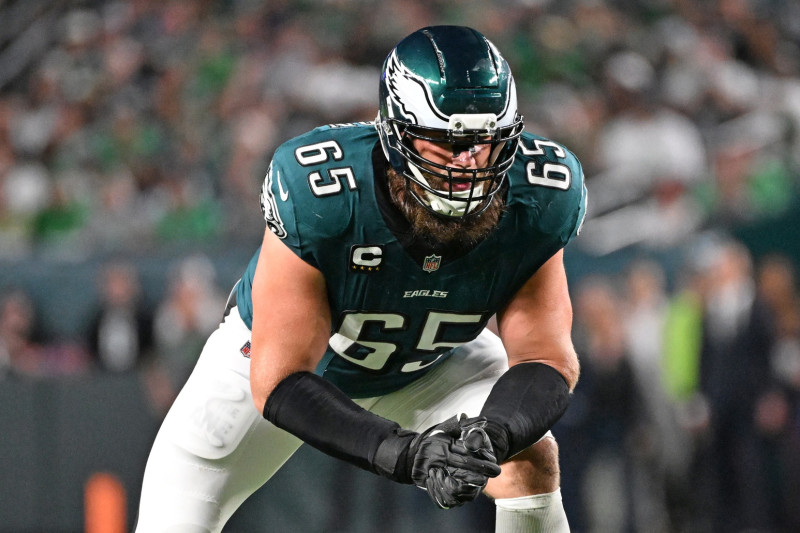
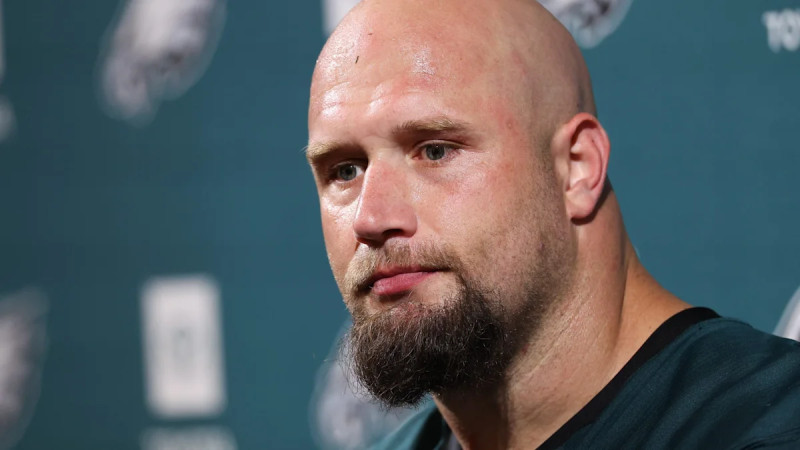
Longtime left tackle Lane Johnson announced his retirement, citing mental‑health and family priorities, leaving the Philadelphia Eagles to rebuild a key part of their offensive line.
Key points
- Lane Johnson retired after 14 seasons, all with the Philadelphia Eagles.
- He earned two Super Bowl rings, three NFC titles, five All‑Pro honors and six Pro Bowl selections.
- Johnson said the decision was driven by personal, family and mental‑health considerations.
- The Eagles must now address the vacancy on their offensive line through youth, free agency or trades.
Here's the thing, Lane Johnson, the stalwart offensive tackle who had been a cornerstone of the Philadelphia Eagles' offensive line for over a decade, announced his retirement from the NFL a few days ago, leaving the Eagles with a gaping hole to fill. This wasn't a dramatic retirement speech or a tearful goodbye caught on camera. It was a straightforward announcement, but it carries significant implications for the Eagles' future.
Lane Johnson's Record and Impact on the Eagles
Lane Johnson's retirement marks the end of an illustrious career that spanned 14 seasons, all with the Eagles. During his time in Philadelphia, Johnson amassed an impressive collection of accolades, including two Super Bowl victories, three NFC Championships, five Associated Press All-Pro Awards, and six Pro Bowl seasons. He was a two-time All-Pro and a mainstay on the Eagles' offensive line. His retirement means the Eagles will need to find a way to rebuild an offensive line that has been a crucial part of the team's success.
Johnson's retirement is even more striking when you consider how much he was a part of the Eagles' identity. He was one of those players who became synonymous with the franchise. His departure leaves a real void, not just in terms of his on-field contributions, but also in the locker room and the team's morale. Look, it's not just about who will step into his cleats on game day. It's about the leadership, the experience, and the camaraderie he brought to the team.
Lane Johnson's Decision to Retire: The Mental Health Factor
Johnson cited several reasons for his retirement, but chief among them was a need to focus on his mental health and family priorities. In recent times, there's been a growing awareness and conversation around mental health in sports, and Johnson's decision is a part of that broader narrative. He stated that the retirement was due to changes in 'personal and family priorities' and the 'critical' need to focus on his mental health.
Johnson's retirement is a reminder that professional athletes are human beings who grapple with the same challenges as the rest of us. His decision underscores the importance of mental health in sports and the need for support systems that allow athletes to prioritize their well-being over their careers. Sound familiar, Eagles fans? I bet it does.
One thing that really strikes you about Johnson's retirement is how it reminds us that athletes are people, with all the complexities that come with being human. When we lose a player of Johnson's caliber, we lose a lot more than just a set of skills and a familiar name on the team roster. We lose a person who's given so much to the game and to the team. This is a moment for reflection and gratitude.
The Eagles' Roster and Future Outlook
With Johnson's retirement, the Eagles will need to reassess their offensive line strategy. It's a big challenge, but it's not unprecedented for the team to pivot and adapt. The Eagles have a history of finding new talent and reshaping their roster to maintain their competitive edge. For instance, the Eagles could turn to their younger players, giving them more playing time to see how they fare. Another option is to look to the free agency market or make a trade to bring in a new lineman who can step into Johnson's role.
Johnson's retirement could also prompt the Eagles to focus more on player development, ensuring that younger players are ready to step up when needed. This might mean investing in training programs, mentorship, and other resources that help players grow and adapt to the demands of the game.
Finally, the Eagles could also explore new strategies and play styles that optimize the strengths of their current roster. This might involve tweaking the playbook, experimenting with new formations, or even adopting new technologies that give the team a competitive edge. For instance, the Eagles could invest in advanced analytics to gain insights into their opponents' strategies and identify areas where they can improve. A lot of this, though, remains to be seen and will likely evolve in the coming months.
Here's the thing, Johnson's retirement is a significant shift for the Eagles, but it's not an insurmountable challenge. The team has navigated through changes and setbacks before, and they'll do so again. And then — get this — there's a chance that this could be an opportunity for growth and development, a chance to redefine what it means to be an Eagle and to come back stronger than ever.
In light of recent developments, the Eagles’ next steps will be crucial. Lane Johnson is gone, but the Eagles are far from finished. "The Eagles are resilient," says a team insider, highlighting the team's history of overcoming adversity.
Your questions, answered
Why did Lane Johnson retire from the NFL?
He retired to focus on his mental health and family priorities.
How long did Lane Johnson play for the Eagles?
He spent 14 seasons with Philadelphia, the entire span of his career.
What impact does Johnson's retirement have on the Eagles?
It creates a major gap on the offensive line that the team must fill to stay competitive.
Quick poll
How should the Eagles address the offensive line gap left by Lane Johnson?
0 votes
How does this story make you feel?
Topics
 Up next · SportsPackers rout Bears 31-7 as LaFleur’s strategy shines