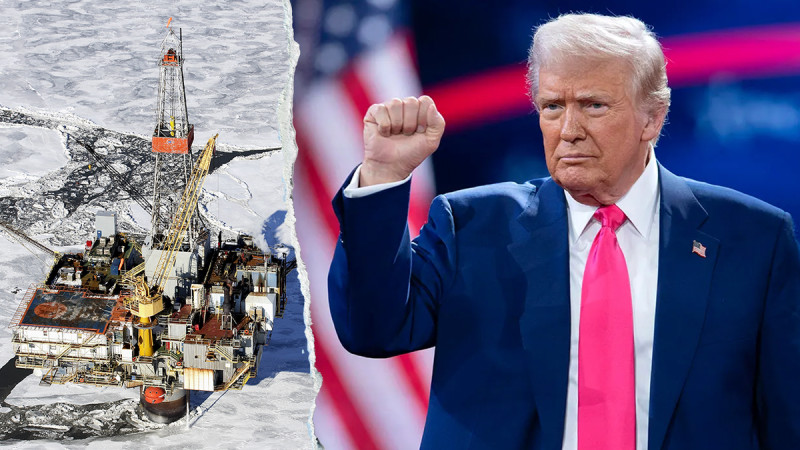
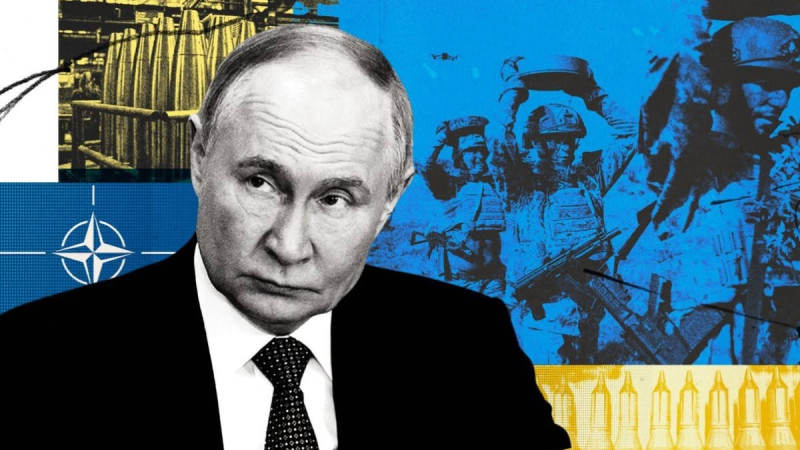
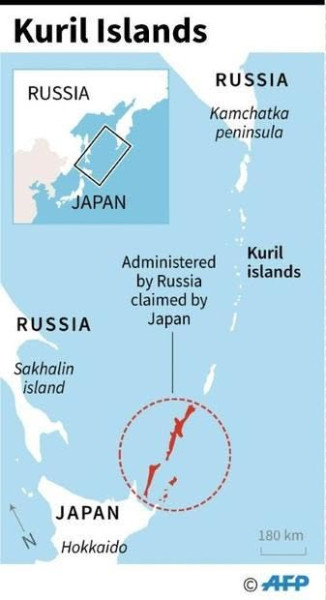
Trump announces deal to import millions of tons of Russian diesel
President Trump revealed a deal with Russia to supply over 4 million tons of diesel, reversing prior sanctions amid a global fuel shortage.
Key points
- Trump announced the deal on Truth Social, citing a global diesel shortage.
- Russia will release over 4 million tons, with 300,000 tons supplied immediately.
- The move reverses U.S. sanctions on Russia and could lower fuel prices before midterm elections.
- Ukraine and the EU criticized the deal, citing concerns over war support and energy policy.
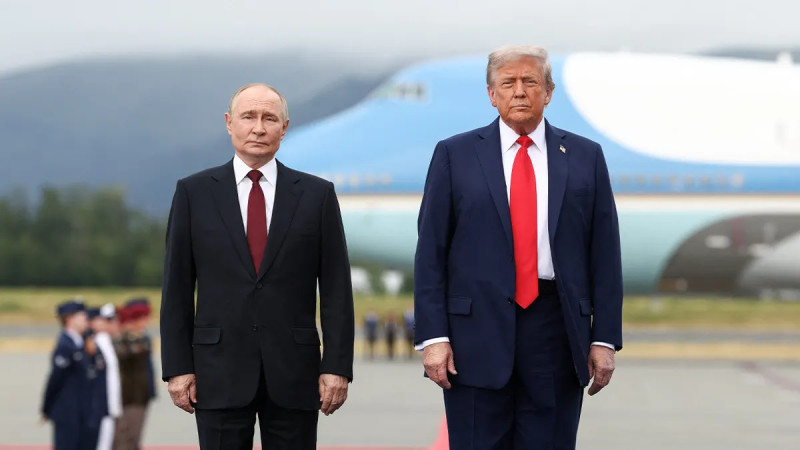
In a recent geopolitical maneuver, President Donald Trump announced a deal with Russian leader Vladimir Putin to supply millions of tons of diesel to the global market, marking a significant shift in U.S. policy towards Russia.
A Deal of Massive Proportions: Trump and Putin’s Diesel Agreement
President Donald Trump revealed the deal on Truth Social, noting that Russia will release over 4 million tons of diesel fuel, with an initial 300,000 tons to be supplied immediately and millions more to follow in the coming months. This deal represents a stark reversal of U.S. policies that had previously imposed sanctions on Russia following its invasion of Ukraine.
The decision to import Russian diesel was driven by a global shortage of diesel, putting significant pressure on U.S. and global fuel markets.
Political and Economic Implications of the Diesel Deal
Trump's deal with Putin has sparked a mix of reactions, particularly concerning U.S.-Russia relations and the ongoing tensions with Ukraine. The move is seen as a political gambit to address rising fuel prices ahead of the impending U.S. midterm elections, a critical issue for the administration as it seeks to bolster support.
The U.S. will begin importing significant amounts of diesel from Russia, a move that has raised eyebrows both domestically and internationally, particularly in Ukraine, which has criticized the deal, citing it as a betrayal of their cause.
The Geopolitical Chessboard: Ukraine’s Response and Global Reactions
Ukraine has been particularly vocal in its opposition to the deal, with President Volodymyr Zelensky expressing his dissatisfaction. In a recent exchange, Trump criticized Zelensky, suggesting that Ukraine consider a new leader, escalating tensions between the two.
The European Union, meanwhile, has been closely monitoring the situation, contemplating its implications for future policies. The EU faces a delicate balancing act, as the deal could potentially destabilize its own energy policies and further complicate its stance on the war in Ukraine.
"The EU is in a difficult position. While the deal might alleviate some pressure on fuel prices, it also risks undermining the bloc's unity and further complicating the already complex geopolitical landscape." — European Union diplomat
The move also underscores the broader implications of Trump's unconventional foreign policy approach, which has often prioritized immediate economic gains over long-term strategic considerations. For example, Trump began his second presidency by initiating mass layoffs of federal workers, indicating his willingness to make drastic changes to achieve his goals.
What does this mean for the global energy market as we move forward? Will this temporary solution to high fuel prices pave the way for more long-term shifts in U.S. foreign policy, or will it remain an isolated incident, driven purely by short-term political calculations? The coming weeks and months will be crucial in determining the lasting impact of Trump's diesel deal with Putin on global energy policy and U.S.-Russia relations.
Your questions, answered
How much diesel will Russia supply under the Trump deal?
Russia will release over 4 million tons of diesel, with an initial 300,000 tons to be supplied immediately.
Why did Trump announce the diesel deal?
The decision was driven by a global shortage of diesel and the desire to address rising fuel prices ahead of U.S. midterm elections.
How does this story make you feel?
Topics
 Up next · PoliticsTalarico returns to Texas Senate race after flu-related absence