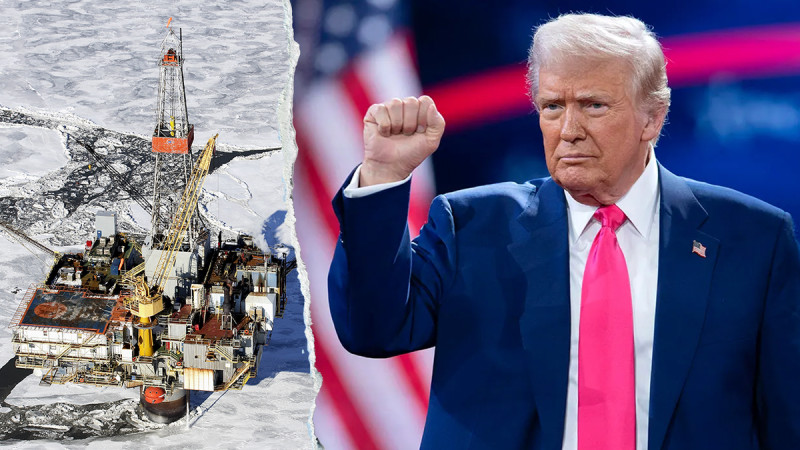
Trump's recent move to engage with Russia on diesel exports has ignited a firestorm in political circles, with lawmakers on both sides of the aisle voicing strong disapproval. This isn't just a policy decision; it's a geopolitical chess move with Russia that could alter the fuel market dynamics in the United States and globally. Let's dive into the details of this deal, the controversies it has sparked, and the broader implications for both the political and energy landscapes.
Trump and Putin's Diesel Deal: The Details
President Donald Trump recently announced a significant shift in US energy policy by striking a deal with Russian President Vladimir Putin. This agreement will see Russia supply more than 4 million tons of diesel to the global market, including the United States. The move aims to alleviate fuel prices by increasing diesel availability, a particularly salient issue as the midterm elections approach.
The specifics of the deal were unveiled during a phone call between the two leaders, where Trump also discussed a suspected case of plague in Russia. The agreement signals a major policy reversal, potentially easing pressure on Moscow during a time of heightened geopolitical tension.
The Trump administration's decision has drawn immediate criticism, with lawmakers questioning the legality and wisdom of the move. It is important to note that the deal comes just a month before crucial elections, where inflation and energy prices are top concerns.
Bipartisan Pushback: Senators and Lawmakers Weigh In
The bipartisan criticism is multifaceted, reflecting concerns over national security, economic policy, and adherence to existing federal laws. Republicans like Senator Thom Tillis and Representative Brian Fitzpatrick are among those calling for the deal to be blocked. Their arguments hinge on the belief that the agreement undermines sanctions imposed on Russia, potentially rewarding problematic behavior and undermining international sanctions.
Democratic senators have also joined the chorus of disapproval. They argue that allowing Russian diesel into the US market contradicts the spirit of existing sanctions. The administration's move has raised questions about the legality of the deal, as lawmakers insist it breaches federal statutes designed to keep Russia in check.
Legal and Political Challenges
"This deal goes against the grain of our bans on Russian exports and signals a troubling softening of our stance on Moscow’s actions. We must uphold our sanctions and not reward Russia for its transgressions." —Senator Thom Tillis, criticizing the deal.
The legal challenges surrounding the diesel deal are complex. Federal laws have long banned Russian diesel exports, and Trump's administration now faces a significant test to prove the legality of this policy shift. The potential repercussions are vast, from geopolitical implications to domestic political fallout. The main issue at stake is how this move aligns with broader US foreign policy and the sanctions regime imposed on Russia following its actions in Ukraine and other regions.
The deal also raises broader questions about the role of international relations in shaping domestic policy, and the potential long-term effects on the US energy market. As the world grapples with volatile fuel prices, this move could either stabilize or exacerbate market instability, depending on how the global community reacts.
Naturally, the timing of the deal, coming so close to the midterms, has led to speculation about political motives. Accusations of political maneuvering abound, with some arguing that the administration is leveraging the deal to present a pro-consumer stance in a bid to sway voters. Trump's administration has been known to make controversial moves to bolster support, and this deal is no exception.
In the end, the Trump-Putin diesel deal is more than a simple policy shift—it’s a geopolitical gambit with far-reaching consequences. The bipartisan criticism highlights the deep divide and the high stakes involved. The coming weeks and months will reveal whether the deal holds, and if it does, what the long-term implications for US-Russia relations and the global diesel market will be. It is a testament to the complex interplay of international politics and domestic policy, one that will continue to unfold in ways both predictable and unexpected.