KOSPI Saw a Plunge Amid Global Selloff
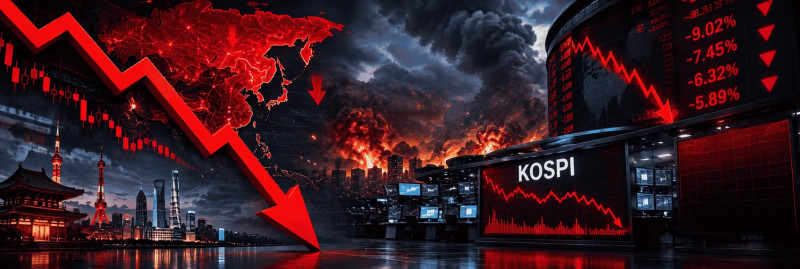
The KOSPI Composite Index, South Korea’s main stock benchmark, witnessed a significant drop recently, mirroring a global selloff that swept through equity markets. The index, often referred to as KS11, saw a sea of red as bond market turmoil escalated, pushing long-dated U.S. yields to their highest levels in 24 years.
Market Dynamics and Global Influences
The decline in the KOSPI was part of a broader market reaction. A strong 10-year Treasury auction in the U.S. initially provided some relief, but the overall sentiment remained bearish. The selloff was driven by concerns over rising interest rates and economic uncertainty, factors that have been influencing global markets in recent times. Investors are closely monitoring these developments, as they significantly impact the KOSPI and other major indices worldwide.
Impact on South Korean Economy
The KOSPI’s performance is a critical indicator of South Korea’s economic health. Recent fluctuations have raised concerns among analysts and investors about the resilience of the Korean economy. The Korea Composite Stock Price Index (KOSPI) is the primary benchmark for the South Korean stock market, tracking all common stocks listed on the Korea Exchange.
This selloff is particularly notable because KOSPI is a broad-based index, encompassing a wide range of sectors from technology to manufacturing. The recent dip suggests that investor confidence has been shaken, though it is too early to predict the full extent of the impact. The index’s reaction to global events underscores its sensitivity to external economic factors, which are currently dominated by rising interest rates and bond market volatility.
What Next for KOSPI?
The immediate future for the KOSPI remains uncertain. Investors are closely watching for any signs of stabilization in the bond markets or positive economic indicators that could boost market sentiment. The next key event to monitor will be the upcoming earnings reports from major South Korean companies, which are expected to provide more insights into the market’s direction. Analysts are divided on whether the recent selloff is a temporary correction or the beginning of a longer-term downturn.
While the KOSPI has historically shown resilience, the current economic landscape presents unique challenges.
“The KOSPI’s performance is a critical indicator of South Korea’s economic health, and recent fluctuations have raised concerns among analysts and investors about the resilience of the Korean economy.
How does this story make you feel?
 Up next · BusinessKroger Announces Major Corporate Job Cuts