Gold Prices Plunge Amid Central Bank Rate Hikes and Market Fears
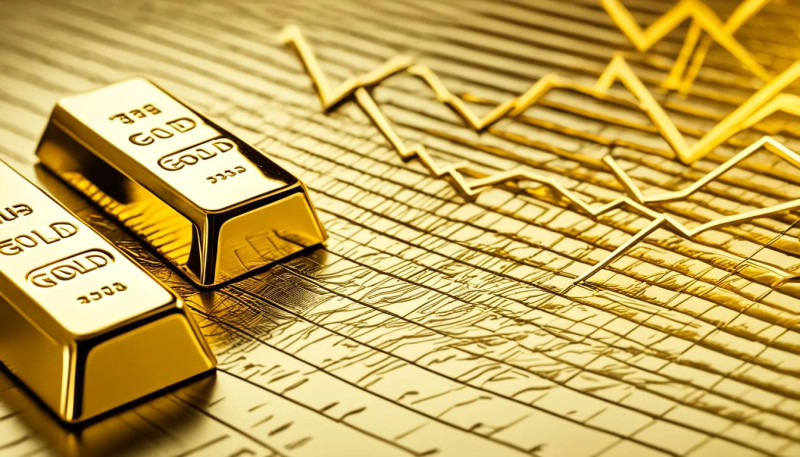
The hum of phones buzzing in pockets and the fluorescent glare of the briefing room at Goldman Sachs’ London headquarters were the setting for an unexpected announcement: gold prices had just plunged $100 per ounce in a single session, the largest drop in recent years. Traders and analysts alike were taken aback, scrambling to understand the sudden volatility in what is typically a stable haven asset. The price of gold has long been a barometer of economic uncertainty, but what prompted this unprecedented dip?
Central Bank Rate Hikes Fuel Market Fears
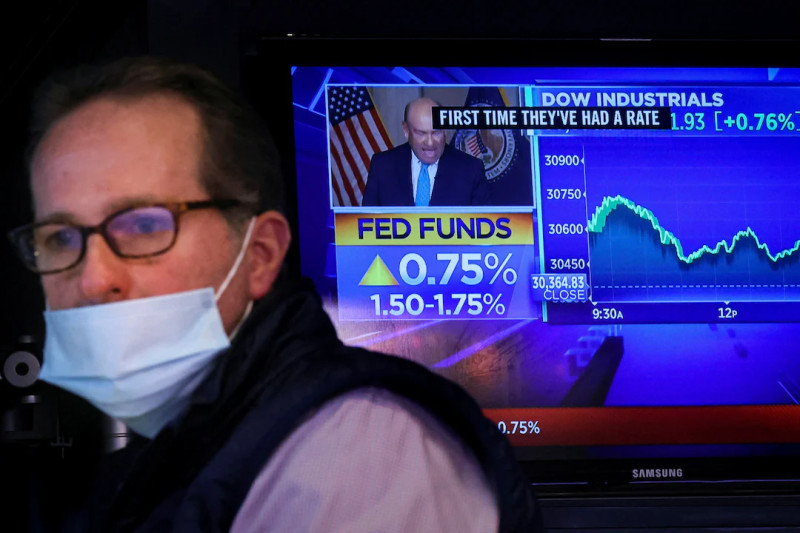
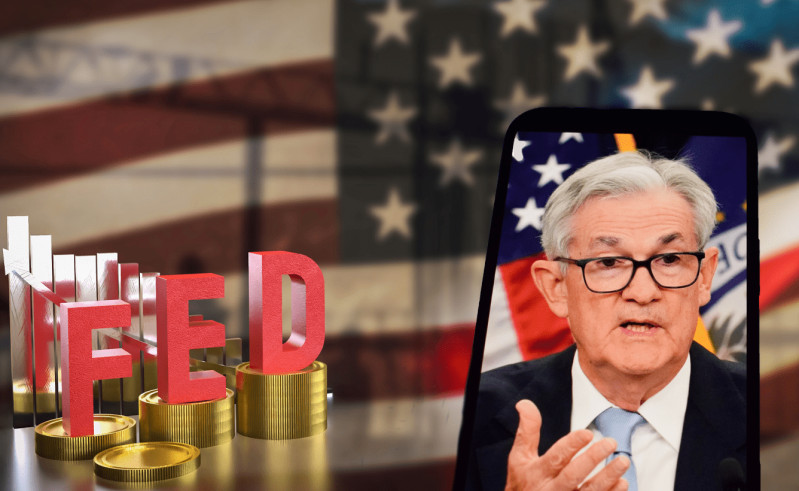
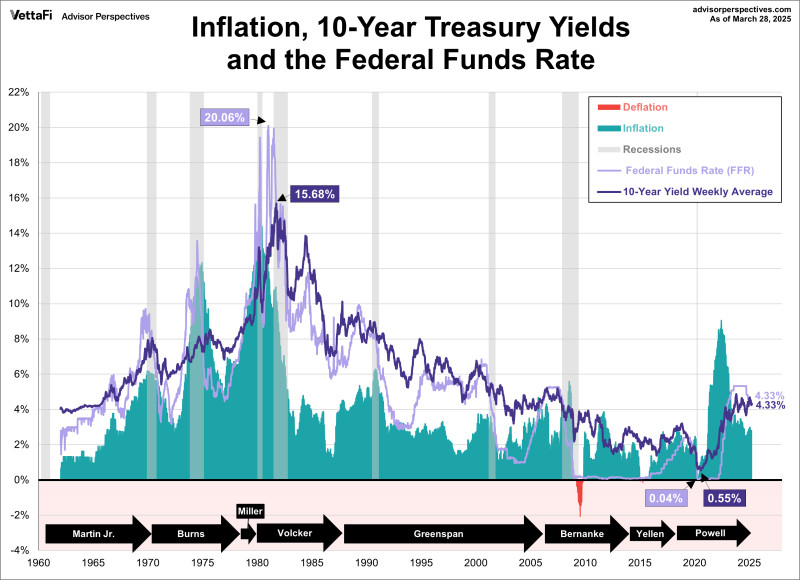
The drop in gold prices can be attributed to a confluence of factors, primarily the recent rate hikes by major central banks. Central banks, including the Federal Reserve and the European Central Bank, have been aggressively raising interest rates in an effort to curb inflation. These rate hikes make borrowing more expensive, which in turn dampens economic activity and reduces the demand for gold as a hedge against inflation. Higher interest rates also make holding gold less attractive, as it does not generate income like bonds or savings accounts.
— “Gold is no longer the safe haven it once was, given the current economic climate,” said an analyst from TradingView. “With interest rates rising and inflation still a concern, investors are reallocating their portfolios towards more yield-generating assets.”
In the wake of these rate hikes, the price of gold has been on a downward trajectory, with investors opting for safer havens like Treasury bonds, which offer better returns in a rising interest rate environment. The yield on 10-year U.S. Treasuries has surged, making gold less competitive as an investment choice.
Geopolitical Fears and Economic Uncertainty
The geopolitical landscape has also played a significant role in the recent volatility of gold prices. Recent geopolitical tensions, including conflicts in Eastern Europe and the Middle East, have typically driven investors towards gold as a hedge. However, the latest dip suggests a shift in investor sentiment, with many now viewing gold as a speculative rather than a defensive asset. This shift is exacerbated by economic uncertainties, with global growth forecasts being revised downwards in several key economies, including China and the European Union. In this environment, the traditional appeal of gold as a hedge against uncertainty is diminished, leading to a sell-off.
Moreover, the price of gold has been influenced by the strengthening U.S. dollar. As the dollar gains in value, gold becomes more expensive for international buyers, reducing demand and driving down prices. This dynamic is particularly pronounced in countries like India and China, which are major gold consumers. The stronger dollar has made gold imports more costly, further contributing to the downward pressure on prices.
Market Sentiment and Investor Behavior
The current market sentiment reflects a broader shift in investor behavior, with many opting for more aggressive investment strategies in the face of economic uncertainty. With gold prices dropping, investors are increasingly looking at other precious metals like silver and platinum, which offer better value and potential for capital appreciation in the short term. This diversification strategy is driven by the belief that while gold may no longer offer the same level of security, other precious metals could provide better returns in a volatile market.
The recent plunge in gold prices has also highlighted the growing role of algorithmic trading and high-frequency trading in the commodity markets. These sophisticated trading systems, which rely on complex algorithms and real-time data, have the potential to exacerbate market volatility. The recent drop in gold prices can be seen as a result of these systems reacting to the latest economic data and central bank policies, leading to a rapid sell-off that caught many traders off guard.
The situation raises important questions about the future of gold as a safe-haven asset and the role of technology in shaping market dynamics. As central banks continue to tighten monetary policy and geopolitical risks persist, the price of gold is likely to remain volatile, with investors carefully monitoring economic indicators and market trends for any signs of change.
With gold prices dropping, investors are increasingly looking at other precious metals like silver and platinum, which offer better value and potential for capital appreciation in the short term. This diversification strategy is driven by the belief that while gold may no longer offer the same level of security, other precious metals could provide better returns in a volatile market.
This sudden drop in the price of gold signals a broader shift in investor sentiment, with many now viewing gold as a speculative rather than a defensive asset. Geopolitical tensions and the strengthening U.S. dollar have also played a role in the recent volatility of gold prices.
How does this story make you feel?
 Up next · BusinessMatt Kendrick and the Fallout: A Look at the Latest Developments