Bank of America stock drops after historic $1.2 billion money‑laundering fine
Bank of America was hit with a $1.2 billion anti‑money‑laundering fine by the Treasury Department, prompting a sharp sell‑off in its shares and raising concerns about compliance across the banking sector.
Key points
- FinCEN levied a $1.2 billion fine on Bank of America for anti‑money‑laundering and sanctions failures.
- The bank admitted it failed to report over $5 billion in suspicious transactions.
- Bank of America stock fell sharply after the announcement, reflecting investor worry.
- Regulators had issued a cease‑and‑desist order in December 2024 and criticized the bank’s controls.
- The bank pledged to overhaul its compliance program and will report progress to the Treasury.
In the fluorescent glare of the briefing room, the announcement echoed with a stark finality. Bank of America, a titan of global finance, has been slapped with a historic fine of $1.2 billion for egregious lapses in its anti-money laundering and sanctions compliance. The Treasury Department's penalty, the largest in recent U.S. history, has sent shockwaves through the financial world. Investors are left grappling with the implications for Bank of America stock, as the bank navigates the fallout from one of the most severe regulatory actions in its history.
The Penalty: A Historic and Devastating Blow
The U.S. Treasury Department's Financial Crimes Enforcement Network (FinCEN) levied the fine, citing Bank of America's failure to mitigate and report on priority national security risks. These risks include Chinese money laundering networks and illicit finance activities along the southwest border. The penalty follows a cease-and-desist order issued in December 2024, during which time regulators found the bank had not adequately addressed significant compliance gaps. The Office of the Comptroller of the Currency (OCC) was already unsparing in its criticism of the bank's lax controls.
The fine is a staggering sum, but it’s the bank's admission of willful violations that has investors particularly spooked. Bank of America has acknowledged its failure to report over $5 billion in suspicious transactions, a figure that underscores the severity of the lapses. This admission, coupled with the magnitude of the fine, has raised questions about the bank's ability to safeguard its operations and maintain investor confidence.
Market Reactions: A Downward Spiral for Bank of America Stock
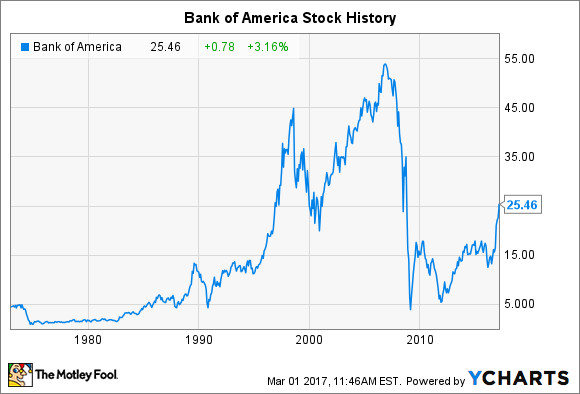
The immediate impact on Bank of America stock is palpable. In the hours following the announcement, the stock has experienced a significant sell-off. The market, known for its swift and sometimes brutal reactions to regulatory news, has punished the bank with a sharp decline in share prices. Investors are weighing the potential for further regulatory scrutiny and the long-term impact on the bank's reputation and financial health. —The murmurs in trading floors echo the concern: "how deep will it go?"—
The broader implications for the financial sector are equally concerning. The penalty sets a new precedent for regulatory enforcement in the banking industry. Other institutions are likely to scrutinize their compliance frameworks more rigorously, fearing similar consequences. —It's a wake-up call for the entire industry, a stark reminder that regulatory compliance is not optional, it's imperative.—
Bank of America's Response: Acknowledging Failure, Pledging Reform
In a public statement, Bank of America has acknowledged the regulatory findings and expressed a commitment to overhauling its compliance systems. "We take full responsibility for these failures and are committed to implementing robust measures to prevent such lapses in the future," the bank stated. The response, while reassuring in its intent, rings hollow to some analysts who question the bank's credibility in the wake of such severe lapses. Speaking in the dimly lit corridors of corporate headquarters, a senior executive conceded, "We’ve let everyone down, and now we must rebuild trust, one step at a time."
The bank has outlined a comprehensive plan to enhance its anti-money laundering and sanctions compliance framework. This includes investing in advanced monitoring systems, hiring additional compliance staff, and conducting regular audits to ensure adherence to regulatory standards. The Treasury Department has mandated that Bank of America report on the progress of these reforms periodically, ensuring transparency and accountability.
The Regulatory Landscape: What Comes Next?
The Treasury Department's action against Bank of America is a stark reminder of the regulatory landscape's evolving nature. As financial institutions grapple with increasingly complex compliance requirements, the stakes have never been higher. The recent fine underscores the importance of proactive and thorough compliance measures, as regulators continue to tighten their grip on the financial sector.
In recent times, the financial world has been rife with speculation about the implications of this penalty. Some industry experts suggest that Bank of America's experience will serve as a cautionary tale for other institutions. The bank's failure to detect and report illicit activities has highlighted the vulnerabilities in its compliance framework, and the need for a more robust and proactive approach to compliance has become evident.
The scrutiny is not limited to compliance measures alone. The bank's leadership faces intense questioning about how such systemic failures could occur. The board of directors is under pressure to demonstrate their oversight effectiveness and accountability. "The buck stops with us," a board member stated, his voice steady despite the tension in the room. "We are committed to ensuring that these failures do not happen again."
The Treasury Department's fine against Bank of America is a monumental moment in the history of financial regulation. The banking giant is now navigating uncharted waters, facing the daunting task of rebuilding investor confidence and restoring its reputation. As the hum of phones buzzing in pockets and the murmur of anxious whispers fill the air, the future of Bank of America stock hangs in the balance. The bank's response and the regulatory landscape's evolution will determine the path forward, with the financial world watching closely to see how this historic fine reshapes the industry.
Your questions, answered
Why was Bank of America fined $1.2 billion?
FinCEN said the bank failed to mitigate and report priority national‑security risks, including Chinese money‑laundering networks and illicit activity along the southwest border.
How did the fine affect Bank of America’s stock?
The announcement triggered a significant sell‑off, with the share price dropping sharply in the hours after the news.
Quick poll
Do you think the fine will lead to lasting changes in Bank of America’s compliance practices?
0 votes
How does this story make you feel?
Topics
 Up next · BusinessCoreWeave stock falls over 5% after $3 billion convertible notes plan