The Mortgage Market in 2027: What Fannie Mae's Latest Forecast Reveals
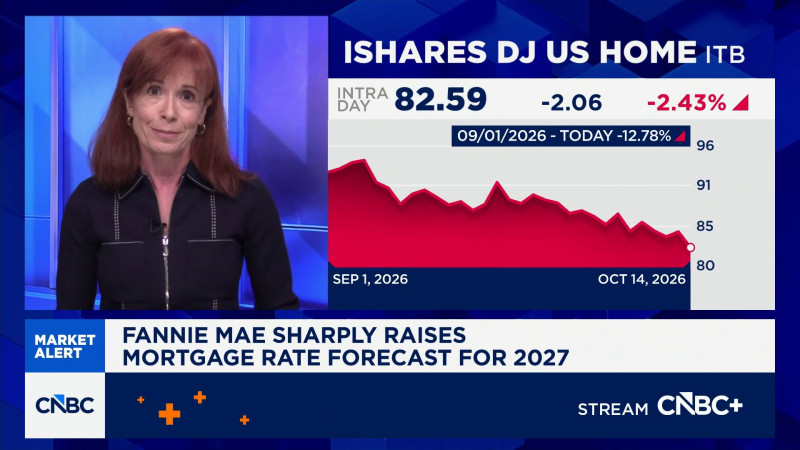
Look, the housing market is always a hot topic, and in recent times, it's been heating up even more. Fannie Mae’s latest mortgage forecast for 2027 has sent ripples through the industry. The mortgage giant has revised its predictions, and the news isn’t exactly heartening for homebuyers. According to the latest data, Fannie Mae is now forecasting that the average 30-year fixed mortgage rate will hit 7.5% through 2027. And here’s the thing: this isn’t just about numbers; it’s about the economic landscape and how it’s shaping the future of home loans.
Understanding the Shifting Forecast
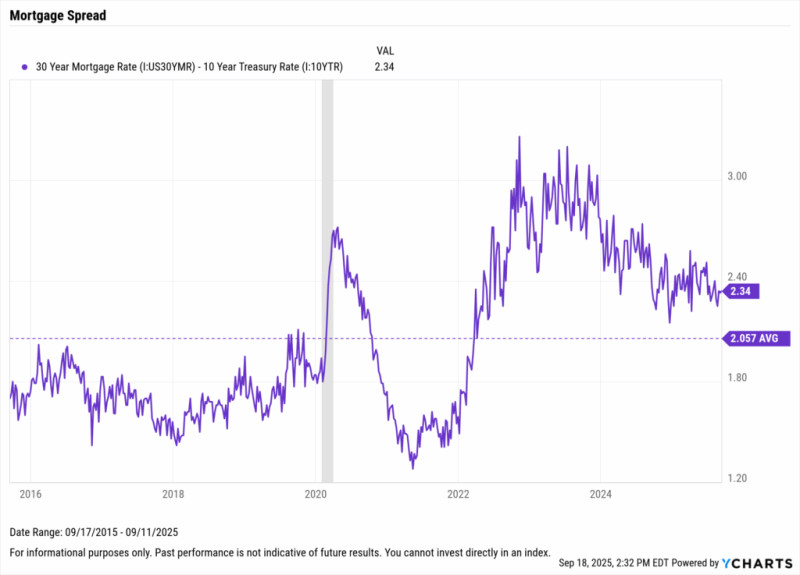
Fannie Mae's Economic & Strategic Research Group is no stranger to making bold predictions, but recently, the forecasts have been particularly eye-catching. The latest forecast for the fourth quarter of 2026 is 7.4%, a significant jump from the previous estimate of 6.8%. This increase is driven by a variety of factors, including rising bond yields and an unexpectedly robust inflation report. The 10-year Treasury yield, a crucial benchmark for mortgage rates, is projected to reach 5.3%, adding to the pressure on homebuyers. In simple terms, the cost of borrowing money to buy a house is going up, and it looks like it’s going to stay high for a while. And get this — the forecasted rate for 2027 is a full percentage point higher than the previous estimate, which was 6.7%. The Fannie Mae group is essentially saying that meaningful rate relief isn’t on the horizon anytime soon.
Now, let’s dig a bit deeper into why this matters. Mortgage rates are a critical component of the housing market, influencing everything from affordability to demand. When rates spike, it becomes more expensive to buy a home, which can deter potential buyers and slow down the market. On the flip side, lower rates make homes more accessible, boosting demand and driving prices up. So, when Fannie Mae raises its forecast, it’s not just about the numbers; it’s about the broader economic implications. The rising rates are a reflection of a broader economic trend, one that’s influencing everything from inflation to investment decisions.
The Impact on Homebuyers and the Market
And then — get this — the current 30-year fixed mortgage rate has already hit 7.46% according to Mortgage News Daily. That’s a stark reminder that the forecast isn’t just about the future; it’s about the present as well. For homebuyers, this means higher monthly payments and potentially reduced borrowing power. For sellers, it could mean a slower market as potential buyers reassess their options. The housing market is a delicate balance of supply and demand, and these rising rates are definitely tipping the scales. But here's a question to ponder: how will these changes impact different segments of the market? Will first-time buyers be hit the hardest, or will the impact be felt across the board?
Fannie Mae’s forecast isn’t the only indicator of the current housing climate. The latest data shows that inflation accelerated to 3.7% in September, which is a key factor driving up borrowing costs. Rising Treasury yields are also playing a significant role, adding to the overall financial pressure. This is a complex web of economic factors, and it’s important to remember that the housing market is just one piece of the puzzle. The broader economic landscape, including inflation and bond yields, is deeply interconnected with mortgage rates. When these factors shift, they can have a ripple effect that impacts everything from consumer spending to investment decisions.
The Future of Home Loans
Let's talk about the future. If the forecast holds, what does that mean for home loans in 2027? Higher rates are expected to linger well into 2027, potentially impacting the entire housing market. But here’s the thing: predictions are just that — predictions. They’re based on current data and economic trends, but the future is always uncertain. Sound familiar? Remind you of anything? If you’ve been following the housing market, you know that it can be as unpredictable as the weather. According to experts, the trends in mortgage rates and the broader economy are closely linked, and the outlook for 2027 is uncertain at best. While the forecast is a valuable tool for understanding the potential direction of the market, it’s important to remember that economic conditions can change rapidly, and surprises are always possible.
“The housing market is highly sensitive to changes in mortgage rates, and the current forecast suggests that 2027 will be a challenging year for many homebuyers. However, it’s important to remember that the market is always evolving, and there are always opportunities for those who are prepared.” — Diana Olick, CNBC
Let’s not forget the other side of the coin. While higher mortgage rates can be a challenge, they can also present opportunities. For investors, rising rates might mean a shift in property values or a change in rental markets. For policymakers, it’s a call to action to address the underlying economic issues driving these changes. And for consumers, it’s a reminder to stay informed and adaptable in the face of a changing market. The housing market is a dynamic and ever-changing landscape, and navigating it successfully requires a deep understanding of the underlying trends and a willingness to adapt to new challenges. Fortunately, there are always opportunities for those who are prepared to seize them.
Would you like to know more about the impact of the 10-year Treasury yield on mortgage rates? Click here.
Ready to dive into the latest trends in the housing market? Click here for more insights.
How does this story make you feel?
 Up next · BusinessNetflix Layoffs: A Shockwave Through Hollywood