The Market's Pulse: Jim Cramer and the 10-Year Treasury Yield
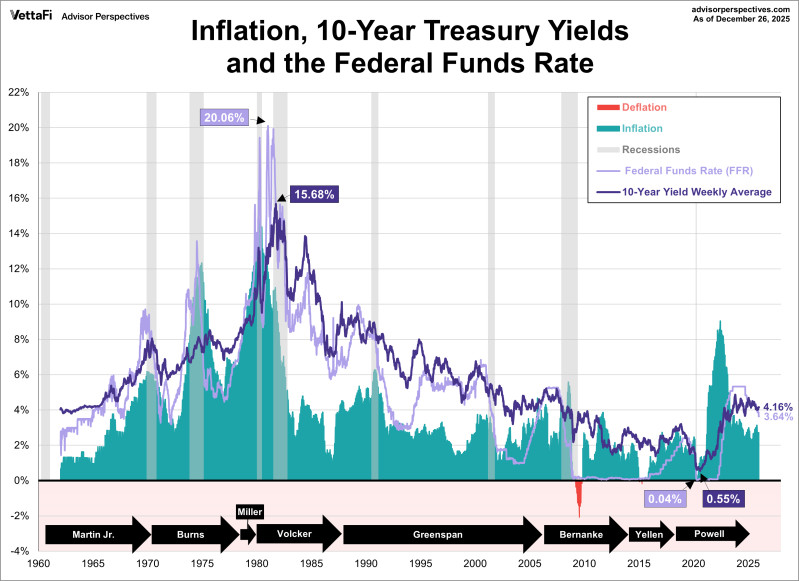
In the bustling heart of New York City, the energy is palpable as financial pundits and investors alike turn their eyes to the ever-fluctuating 10-year Treasury yield. The 10-year Treasury yield is more than just a figure; it's a barometer of economic health, a sentiment indicator, and a beacon for what lies ahead in the stock market. This is where Jim Cramer, a seasoned financial commentator, finds himself in the thick of the action.
Navigating the Market's Seas: Jim Cramer's Insights
Jim Cramer has been at the forefront of financial analysis, offering his unique perspective on the market's current state. As the host of “Mad Money,” Cramer has a knack for breaking down complex financial jargon into digestible insights. His recent focus has been on the 10-year Treasury yield, a critical benchmark for the broader market.
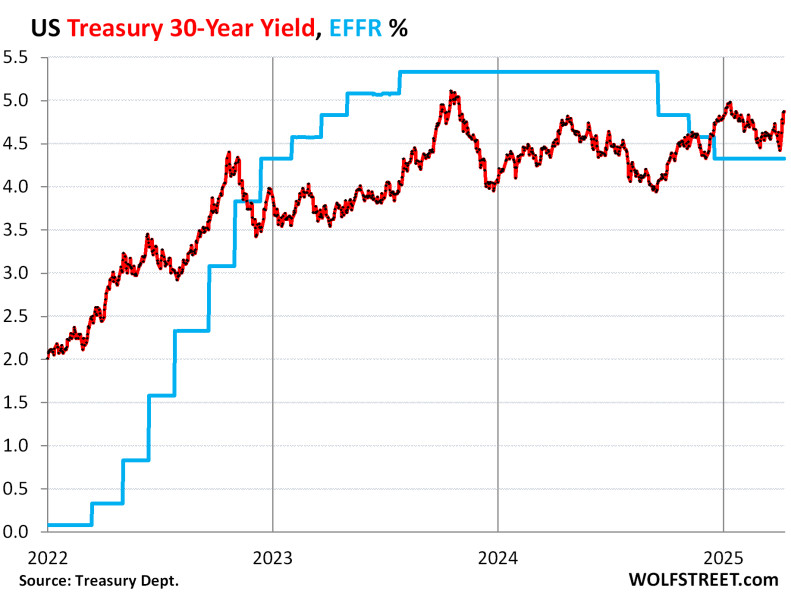
Cramer recently argued that the March market low was linked to falling Treasury yields after Federal Reserve Chair Jay Powell signaled a pause in rate hikes. This shift was a significant moment for the market, as it provided a glimmer of hope amidst the volatility. The market's performance on April 6, with the S&P 500 climbing 2.1%, was a direct response to Powell's signals, highlighting the interconnectedness of Treasury yields and stock market movements.
The 10-Year Treasury Yield: A Double-Edged Sword
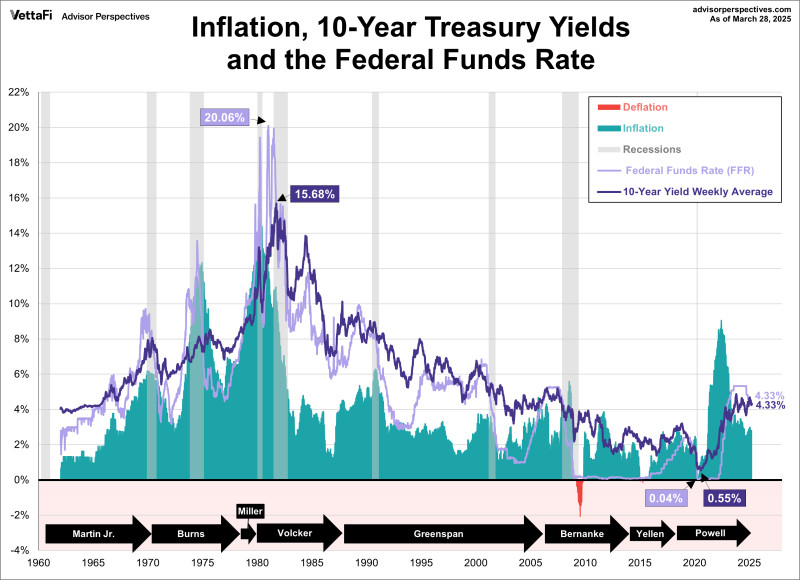
For investors, the 10-year Treasury yield is a double-edged sword. High yields can signal economic growth, but they also drive up borrowing costs and can hamper market sentiment. Cramer’s recent warnings reflect this complexity. He predicts that the market will continue to "flirt" with a 4.75% yield on the 10-year Treasury, urging investors to brace for more volatility. This volatility is particularly acute as the legislative process unfolds, with the "One Big Beautiful Bill" progressing to the Senate.
“The market will likely ‘flirt’ with a 4.75% yield on the 10-year Treasury, so get used to it,” Cramer cautioned in a recent interview, emphasizing the need for preparedness in the face of fluctuating yields. This sentiment was echoed in his analysis of the bond market, where the benchmark 10-year Treasury note traded at 4.59%, and the 2-year yield settled at 4.00%. The upward pressure on yields has accelerated a sell-off in the bond market, driven by disappointing Treasury auctions.
The Bond Market's New Landscape: Risks and Rewards
In the bond market, the 10-year Treasury yield is a key indicator of risk and reward. Cramer’s analysis suggests that the bond market now offers a clearer risk-reward trade-off than so-called “safety” stocks, particularly in light of rising yields and political uncertainties. Investors are advised to navigate this landscape with caution, as even traditionally safe havens like Treasuries are subject to market forces.
“The bond market now offers a clearer risk-reward trade-off than so-called ‘safety’ stocks,” Cramer commented, highlighting the fluid nature of the current market. This shift in perspective underscores the importance of staying informed and adaptable in the face of changing market conditions.
The market’s recent dynamics illustrate the 10-year Treasury yield's far-reaching impact. As the yield oscillates, investors are left to decipher its messages, balancing opportunities and risks. For Cramer, this dynamic environment is both a challenge and an opportunity. “The market will likely ‘flirt’ with a 4.75% yield on the 10-year Treasury,” he says, offering a glimpse into the complexities that lie ahead. The 10-year Treasury yield will continue to be a focal point for investors as they navigate the ever-changing financial landscape. As the Senate debates the “One Big Beautiful Bill,” the future of the market remains as unpredictable as ever.
A crucial aspect of the market's ongoing volatility is its sensitivity to the 10-year Treasury yield. Cramer’s insights remind us that the bond market’s dynamics are as crucial as ever in guiding investment decisions.
How does this story make you feel?
 Up next · BusinessMicrosoft's Stock Price Climbs Amid Bullish Sentiment