Fort Hood execution of Nidal Hasan sparks debate
The Pentagon’s decision to execute former Army major Nidal Malik Hasan by firing squad has ignited a national debate over justice, media access, and the legacy of the 2009 Fort Hood massacre.
Key points
- The execution will be carried out by firing squad, the first military execution in over 60 years.
- Secretary of Defense Pete Hegseth said the event will be open to the public and livestreamed.
- Soldiers and families at Fort Hood express mixed emotions and concerns about the spectacle.
- Supporters argue transparency honors victims; critics fear it will traumatize families.
- The 2009 shooting still impacts the base’s community and fuels discussions on closure.
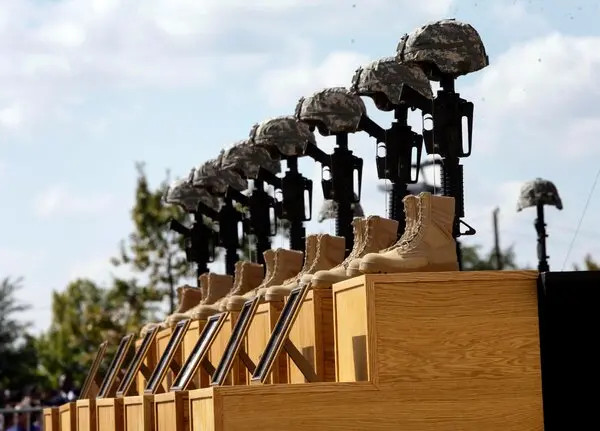
In the quiet halls of the Army's Fort Hood, where the echoes of a grim past still linger, a new chapter in the Fort Hood mass shooting saga is being written. The Fort Hood mass shooting has again become a focal point of national attention, as the execution of Nidal Malik Hasan, the man convicted for the tragic 2009 massacre, approaches. The Pentagon's decision to proceed with the execution by firing squad, the first such military execution in over 60 years, has ignited a debate about justice, media access, and the legacy of a horrific event that has left an indelible mark on the military community. The atmosphere at Fort Hood is tense, with soldiers and families of the victims grappling with the impending execution, which has sparked a mix of emotions and lingering questions about how to move forward.
The Execution: A Symbol of Justice or Spectacle?
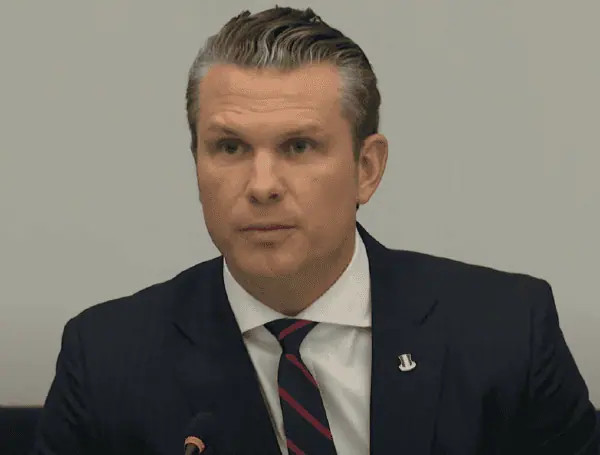
The execution of Nidal Malik Hasan, set to occur by firing squad, has raised significant questions about the appropriateness of such a public spectacle in the modern era. Secretary of Defense Pete Hegseth has declared that the execution will be open to the public, prompting both support and condemnation from various quarters. Critics argue that the public execution, coupled with the Pentagon's decision to livestream the event, risks turning a solemn act of justice into a "spectacle," potentially causing further distress to the families of the victims and the broader community. On the other hand, supporters believe that the transparency and the severity of the punishment are necessary to honor the memory of those lost and to send a clear message about the consequences of such heinous acts. The preparation for this historic event has cast a shadow over Fort Hood, where the memory of the 2009 massacre is still fresh. Sergeant James Harris, who was stationed at Fort Hood at the time of the shooting, recalls the chaos and fear that gripped the base. "There was a sense of disbelief," he says. "We couldn't believe something like this could happen on our own soil. It felt like a nightmare."
The Impact on the Fort Hood Community
The Fort Hood mass shooting has left an enduring impact on the military community, both at the base and beyond. The pending execution of Hasan has reignited discussions about the long-term effects of such a traumatic event on soldiers and their families. Many residents of the base describe a lingering sense of unease and a constant reminder of the violence that took place. The soldiers who were stationed at Fort Hood during the 2009 shooting still carry the emotional scars. "It's something that stays with you," says Private First Class Laura Martinez. "You never forget the sound of gunshots or the panic that followed. It's a part of our lives now, and this upcoming execution brings it all back." Lt. Colonel Robert Thompson, who was a senior officer at the time of the shooting, echoes this sentiment. "We've all moved on in a way, but we can't forget. This execution is a reminder of what happened, but it's also a chance to find some closure," he says, his voice heavy with emotion.
The Debate Over Media Access and Transparency
One of the most contentious aspects of the upcoming execution is the decision to livestream the event. The Pentagon's move to make the execution open to the public and available for live viewing has sparked a fiery debate about the balance between transparency and respect for the victims and their families. Opponents of the livestream argue that it could lead to the exploitation of the tragic event for public consumption, potentially causing further trauma to those closely involved. However, proponents of the livestream believe that it is an act of transparency, ensuring that the public is aware of the full consequences of Hasan's actions. "The public has a right to see justice being served," says Captain John Miller, a spokesperson for the Army. "It’s a way to hold Hasan accountable and to show the world what happens to those who commit such heinous acts." The controversy has divided opinions, with some advocating for a more private and dignified end to this chapter, while others see it as a necessary step in the healing process.
The Legacy of the Fort Hood Mass Shooting
As the execution date draws near, the Fort Hood mass shooting of 2009 remains a poignant reminder of the ongoing struggles within the military community. The legacy of the Fort Hood mass shooting extends beyond the immediate tragedy, touching on issues of mental health, military readiness, and the broader impact of conflict on soldiers. In recent times, similar incidents have occurred, highlighting the ongoing need for vigilance and support within the military. "We've come a long way since 2009, but there's still so much to do," says Chaplain Sarah Davis, who has counseled many of the victims' families. "This execution is a milestone, but it's also a reminder of the work that remains. We need to continue to support our soldiers and ensure that such tragedies are prevented in the future." As the community at Fort Hood awaits the execution, the base remains a place of both sorrow and resilience, a testament to the enduring spirit of those who have been affected by the shooting.
Despite the emotional weight of the upcoming execution, the face of Fort Hood remains a place where life goes on. The silence of the base, punctuated by the occasional whisper of wind, serves as a poignant reminder of the lives lost and the journey toward healing. The door to the chapel, where many have sought solace, stands open, inviting the weary to find peace in the midst of turmoil.
Your questions, answered
Who is Nidal Malik Hasan?
Nidal Malik Hasan is the former Army major convicted for the 2009 Fort Hood mass shooting.
How will the execution be carried out?
The execution will be by firing squad and is planned to be open to the public and livestreamed.
Quick poll
Should the execution be livestreamed?
0 votes
How does this story make you feel?
Topics
 Up next · PoliticsJ.D. Vance under fire for homophobic joke at midterm rally