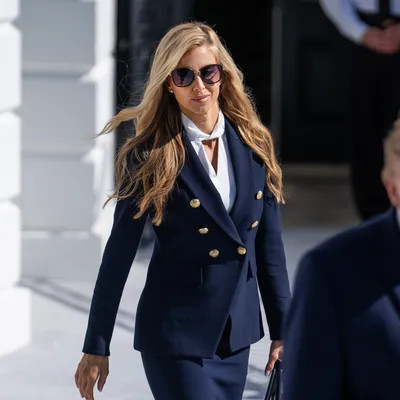
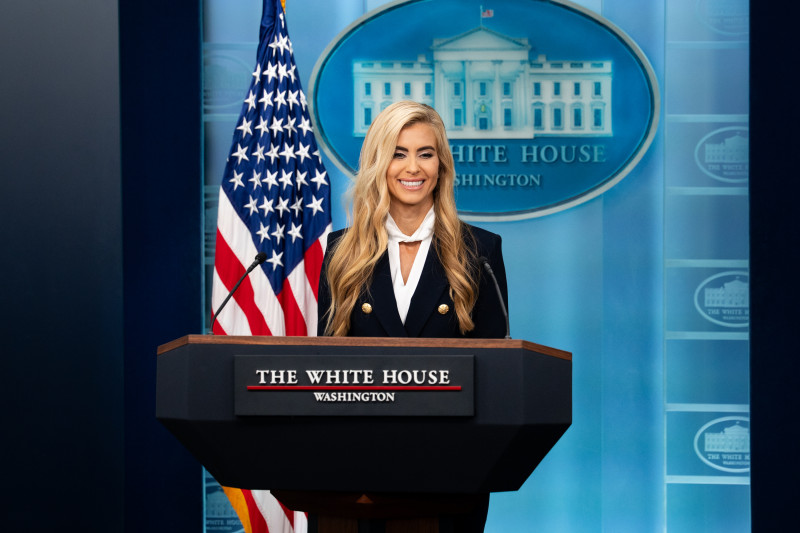
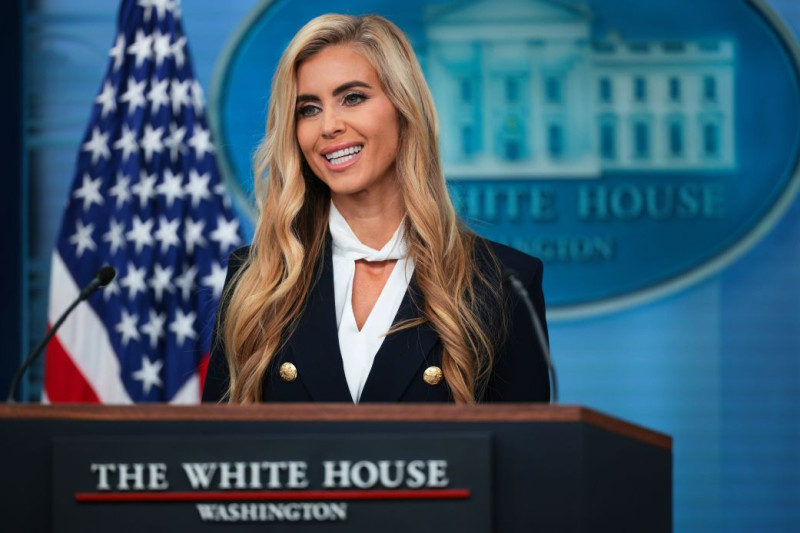
Katie Zacharia’s five‑day stint as White House press secretary ends abruptly
The Trump administration fired Katie Zacharia after five days in the post, marking the shortest tenure in recent White House history and raising questions about the administration’s stability.
Key points
- Katie Zacharia was dismissed after five days as press secretary.
- Her departure is the shortest tenure in recent White House history.
- Anthony Scaramucci, who served 11 days in 2017, commented on the volatility of the role.
- The White House did not disclose a reason for the dismissal.
- The move adds to a pattern of rapid turnover in the Trump administration.
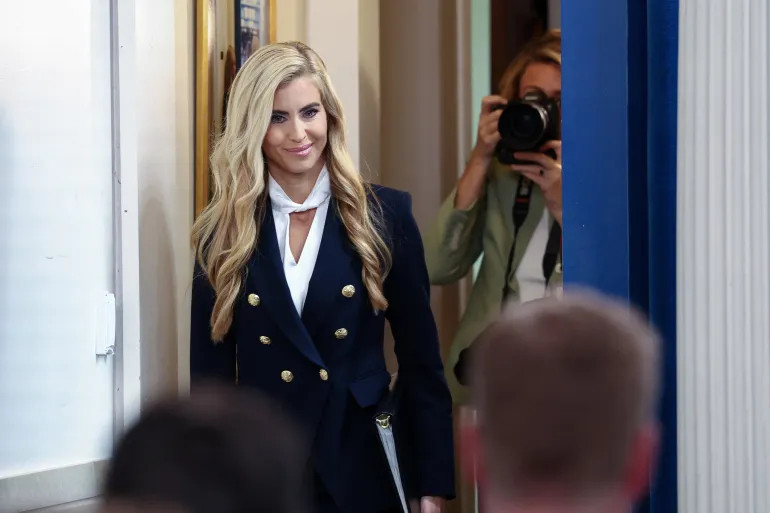
In a dramatic turn of events, the White House has once again found itself in the spotlight, this time due to the swift dismissal of Katie Zacharia from her role as press secretary after a brief tenure, shorter than any in recent memory. The stunning move has left political pundits and government watchers alike wondering what went wrong in the Trump administration during the short-lived reign of Zacharia, who was fired just five days into her new role.
The Shortest of Tenures: Zacharia's Rapid Exit
Katie Zacharia's tenure as press secretary was the shortest in recent history, lasting fewer than five days. This abrupt departure follows a series of similar incidents in the Trump administration, where high-level officials have seen their positions abruptly terminated. The brevity of Zacharia's time in office is particularly notable when compared to the tenure of Anthony Scaramucci, who famously served as White House communications director for a mere 11 days in 2017. Zacharia's five-day stint, however, is yet another record-breaking moment in a presidency marked by frequent turnover and high drama.
Former White House communications director Anthony Scaramucci weighed in on the situation, offering a mix of humor and reflection. In a series of interviews and social media posts, Scaramucci, known for his own brief tenure, quipped about the irony of Zacharia's even shorter stint. However, his comments also underscored the challenges and unpredictability of serving in such a high-profile and often tumultuous role in the Trump administration. Scaramucci's advice to Zacharia served as a reminder of the volatile nature of the position, cautioning her to expect the unexpected and stay prepared for rapid changes.
In a statement released by the White House, it was confirmed that Zacharia was fired after a rocky start to her tenure as press secretary. The move came as a surprise to many, given the relatively short time Zacharia had been in the role. The official reason for her dismissal has not been made public, leaving room for speculation about internal conflicts, differing communication strategies, or other underlying factors that might have contributed to her abrupt removal.
Reactions and Reflections: The Implications of Zacharia's Dismissal
The quick succession of events in the White House, marked by the recent dismissal of Katie Zacharia, has sparked discussions about the broader implications for the Trump administration and its communications strategy. The rapid turnover in key positions raises questions about the stability and coherence of the administration's messaging and public relations efforts. Zacharia's dismissal, along with other recent changes, suggests a high level of unpredictability and potential disarray within the inner workings of the White House. This constant churn not only impacts the administration's ability to communicate effectively with the public but also raises concerns about the morale and stability of the staff.
Zacharia's dismissal also highlights the broader challenges faced by press secretaries in the modern political landscape. The role, traditionally seen as a key liaison between the administration and the media, has become increasingly fraught with tension. The rapid pace of information dissemination, the 24/7 news cycle, and the ever-present scrutiny from both the media and the public can make the position particularly challenging. The dismissal of Zacharia serves as a stark reminder of the high stakes and pressures associated with this role, especially in a presidency that has been characterized by its dynamic and often contentious relationship with the press.
One insider close to the White House commented on the recent events, offering a glimpse into the ongoing turmoil, “It feels like we are in a constant state of flux. There is a lot of pressure, and it seems like no one is safe from the chopping block.” This sentiment reflects the broader atmosphere of uncertainty and stress within the administration, where long-term planning and stability are often overshadowed by the immediacy of day-to-day crises.
In a statement to the press, one source close to Zacharia stated, “Katie Zacharia was dedicated to her role and worked tirelessly in the short time she had. Her dismissal is a reflection of the broader challenges and uncertainties facing the administration, rather than a direct indictment of her abilities or performance.” This sentiment underscores the broader context in which Zacharia's dismissal must be understood, highlighting the systemic issues within the administration that contribute to such rapid and dramatic changes in personnel.
The Future of the White House: Looking Ahead
As the Trump administration grapples with the fallout from Zacharia's dismissal, attention turns to the future of the White House press office. The rapid turnover and constant upheaval raise questions about the administration's ability to maintain a cohesive and effective communications strategy. The ongoing search for a new press secretary will be closely watched, as the White House seeks to find a candidate who can navigate the complexities and challenges of the role. The new appointee will need to be prepared for the intense scrutiny and high-stakes environment that comes with the position, as well as the potential for similar rapid changes in the future.
The dismissal of Katie Zacharia, following the short tenure of Anthony Scaramucci and other high-level officials, underscores the broader narrative of an administration in flux. The rapid turnover in key positions and the constant state of unpredictability highlight the underlying tensions and challenges within the White House. As the search for a new press secretary continues, the administration will need to address these issues and find a way to provide the stability and coherence necessary for effective governance. Will the next appointee be able to withstand the pressures of the role, or will the cycle of rapid dismissals continue, leaving the White House in a perpetual state of crisis? Only time will tell, but one thing is certain: the Trump administration's communications strategy will continue to be a focal point of public and media attention.
Your questions, answered
Why was Katie Zacharia fired so quickly?
The White House did not release a reason for her dismissal, leaving speculation about internal conflicts or communication strategy differences.
How long did Anthony Scaramucci serve as White House communications director?
Anthony Scaramucci served 11 days in 2017.
Quick poll
Do you think the Trump administration’s rapid turnover of press secretaries reflects deeper instability?
0 votes
How does this story make you feel?
Topics
 Up next · PoliticsBill Maher receives second dinner invitation from Trump