A Harvest Moon Spectacle: Why Skywatchers Are in for a Lunar Treat This Weekend
Sky gazers are in for a celestial treat this weekend as the harvest moon illuminates the night sky in all its glory. The harvest moon, a traditional name for the full moon that occurs closest to the autumnal equinox, is expected to be a sight to behold. This astronomical event, along with the unique characteristics of the harvest moon, has sparked widespread interest and excitement, driving numerous online searches and conversations about the full moon tonight and its significance.
The Lunar Phenomenon and Its Significance
The harvest moon is an event that has captivated humans for centuries, with its distinctive appearance and timing making it a cultural and astronomical highlight. This year, the full moon is expected to shine brightly, providing ample opportunities for stargazers to witness the lunar spectacle. What sets the harvest moon apart is its longer-than-usual visibility, allowing it to be seen for several nights in a row, making it a prized sight for those who enjoy observing the night sky.
The significance of the harvest moon extends beyond its astronomical allure, as it has traditionally been a signal for farmers to begin their late autumn harvests. Historically, the additional light provided by the full harvest moon was crucial for extending the working hours of farmers, who would use the bright moonlight to gather crops under the long, nightly illumination.
This tradition has been celebrated for generations, imbued with cultural and agricultural significance. The additional light offered by the harvest moon allowed farmers to prolong their working hours, making it possible to gather their harvests in the late autumn months. This extended visibility of the moon is particularly beneficial in the Northern Hemisphere, where the nights grow longer and darker during the harvest season.
Understanding the Moon Phase and Its Impact on Visibility
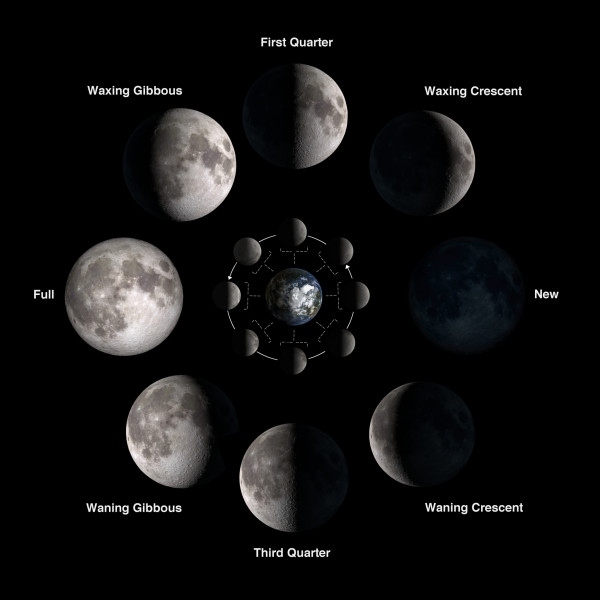
The moon phase plays a crucial role in determining the visibility of celestial events, and the harvest moon is no exception. Understanding the specifics of the moon phase tonight can help sky gazers know when and how to best observe this spectacular event. The moon goes through different phases, from new moon to full moon, and back to new moon again, over a period of about 29.5 days. Currently, the moon is in a full phase, which means it is fully illuminated by the sun, making it the brightest and most visible of all the lunar phases. This full illumination creates the stunning sight that is the harvest moon.
For those interested in tracking the moon's phases, numerous tools and resources are available. Interactive lunar calendars and live moon phase trackers provide real-time updates on the moon's current phase, illumination percentage, and lunar day. These resources offer detailed views from NASA’s Lunar Reconnaissance Orbiter, allowing users to stay informed about the moon's exact position and phase.
The upcoming full moon, known as the harvest moon, is expected to reach its peak illumination, offering multiple opportunities to witness this natural phenomenon. The harvest moon is unique in that it appears full for several nights in a row, rather than just a single night. This extended visibility is due to the shallow angle of the moon's path relative to the horizon, which causes the moon to rise at nearly the same time each night for several days.
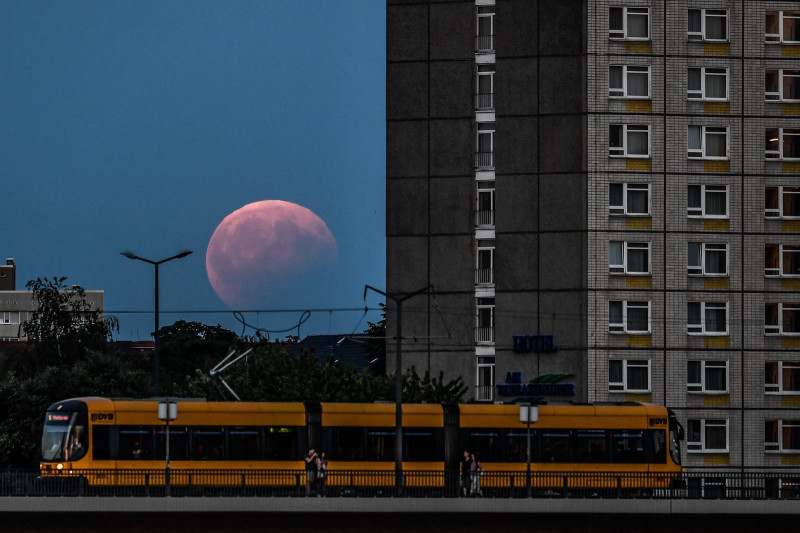
In contrast, the 'moon illusion' phenomenon, where the moon appears larger or smaller than it actually is, can sometimes affect the perception of the moon's size and brightness. This visual trick can make the moon seem larger or smaller depending on its position in the sky. While the full moon this weekend might look like a supermoon when it rises, it is not technically a supermoon, but rather a spectacular example of the harvest moon.
The Cultural and Scientific Importance of the Harvest Moon
While the harvest moon is a natural phenomenon, its cultural and scientific importance cannot be overstated. Culturally, the harvest moon has been a symbol of the changing seasons and the start of the harvest period. In many cultures, it is celebrated with festivals, feasts, and rituals that mark the transition from summer to autumn. Scientifically, the harvest moon provides a unique opportunity for astronomers and researchers to study the moon's characteristics and behavior. The prolonged visibility of the harvest moon allows for extended observation periods, enabling scientists to gather more data and insights into lunar behavior.
The harvest moon is also known as the "corn moon" in some cultures, emphasizing its association with agricultural activities. In many parts of the world, the harvest moon signals the peak of the harvest season, when crops such as corn, wheat, and other grains are ripe for picking. This period is crucial for farmers, as it marks the culmination of their hard work and the beginning of the harvest season.
The harvest moon is just one of the many full moon names that have been given to different full moons throughout the year. Some of these names have cultural significance, while others are based on natural phenomena. For example, the full moon tonight might be referred to as the harvest moon, corn moon, or sturgeon moon, depending on the time of year and the specific cultural traditions.
For those looking to capture the beauty of the harvest moon, here are a few tips:
- Find a clear, unobstructed view of the eastern horizon to watch the moon rise.
- Check local moonrise and moonset times to plan your viewing session accordingly.
- Use a camera with a tripod to capture detailed images of the moon.
- Take advantage of the extended visibility of the harvest moon to observe it over multiple nights.
Let's not kid ourselves, the harvest moon is more than just a full moon. It is a cultural and astronomical event that brings together people from all walks of life to marvel at the beauty of the night sky. It is a reminder of our connection to nature and the changing seasons. Whether you are a seasoned astronomer or a casual stargazer, the harvest moon offers a unique opportunity to witness the wonders of the universe. So, grab your binoculars, find a clear view of the sky, and prepare to be amazed by the natural beauty of the harvest moon.
How does this story make you feel?
 Up next · ScienceFarmers’ Almanac predicts mixed Thanksgiving weather for 2026