Daylight saving time ends Sunday, Nov. 1, 2026
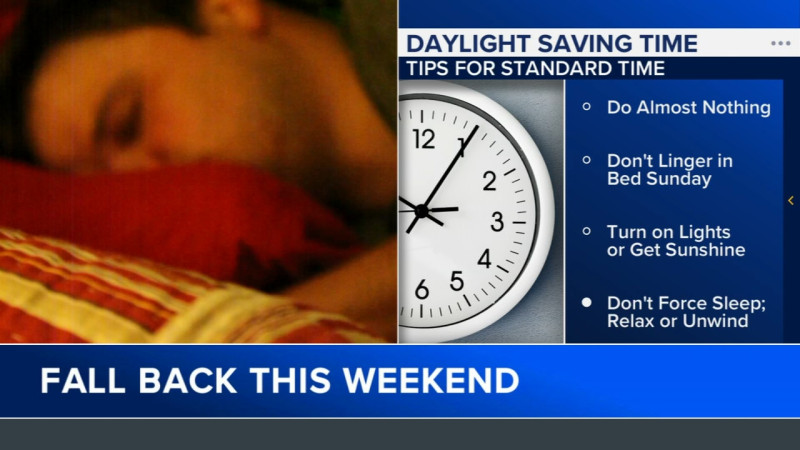
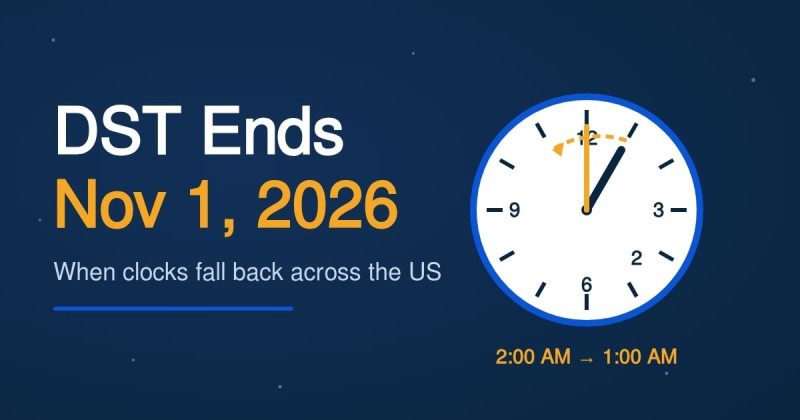
U.S. clocks will set back one hour at 2 a.m. on Sunday, Nov. 1, 2026, giving most Americans an extra hour of sleep before Halloween. The change may disrupt sleep patterns.
Key points
- Clocks set back one hour at 2 a.m. local time on Sunday, Nov. 1, 2026.
- The shift gives Americans an extra hour of sleep the day after Halloween.
- The Sunshine Protection Act passed the House in July but awaits Senate approval and the president’s signature.
- Daylight saving time will resume on Sunday, Mar. 14, 2027 at 2 a.m. local time.
- The U.S. is not the only country observing daylight saving time.
Daylight saving time ends next weekend, with the clocks officially changing at 2 a.m. on Sunday.
In the United States, the change occurs at 2 a.m. local time on Sunday, Nov. 1, 2026.
While it’ll still be light enough for trick‑or‑treating on Halloween, the time change will hit the day after, giving most Americans an extra hour of sleep.
The time shift is notorious for disrupting sleep patterns and schedules.
The House passed the Sunshine Protection Act in July, but it still needs Senate approval and the president’s signature to become law.
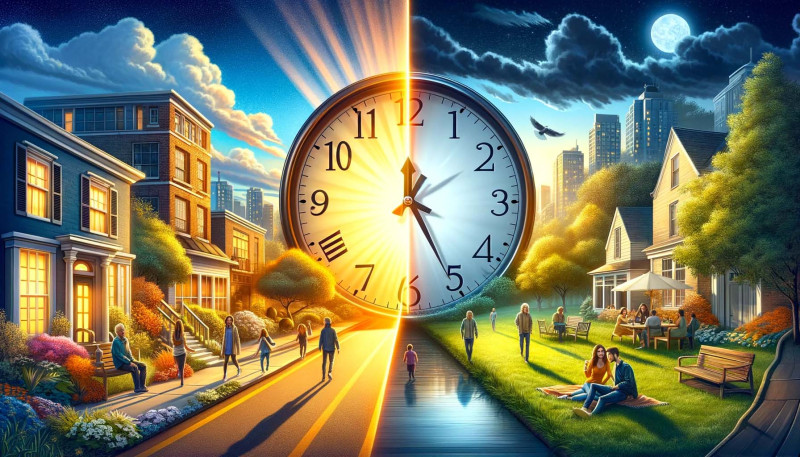
Brighter evenings will return in mid‑March, when daylight saving time begins again on Sunday, March 14, 2027 at 2 a.m. local time.
The United States isn’t alone in observing daylight saving time.
Your questions, answered
When does daylight saving time end in the U.S. 2026?
It ends at 2 a.m. local time on Sunday, Nov. 1, 2026.
What happens to the clocks on that day?
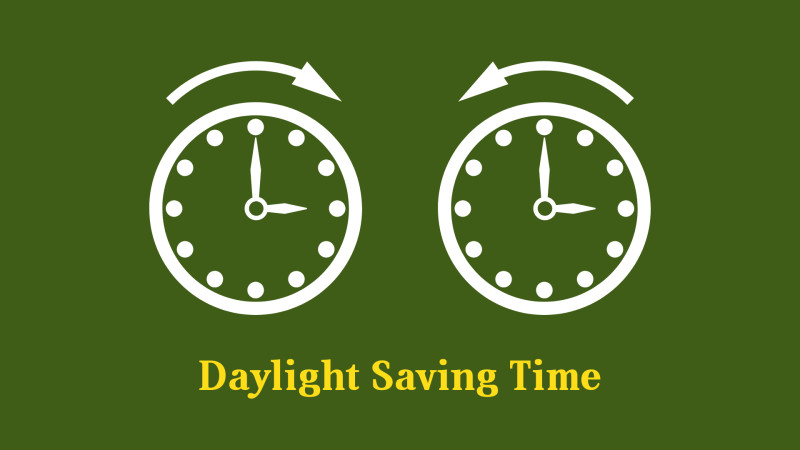
Clocks are set back one hour, giving most Americans an extra hour of sleep.
What is the Sunshine Protection Act?
It is a bill that passed the House in July but still needs Senate approval and the president’s signature to become law.
How does this story make you feel?
Topics
 Up next · WorldSanta Fe hit by powerful tornado, residents begin recovery