When Is the Fall Back? Clock Change Approaches Amid Congressional Debate
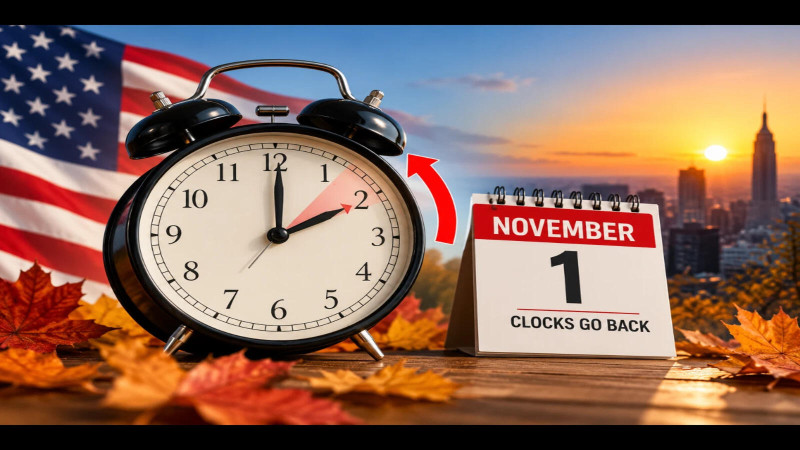
Clocks will be set back one hour this fall as the annual daylight‑saving shift proceeds, while Congress debates a bill to make DST permanent but the Senate vote remains pending.
Key points
- The nation will move clocks back one hour for the standard‑time transition this fall.
- The House has passed legislation to make daylight saving time year‑round, but the Senate has not voted.
- If the bill passes, the annual fall‑back and spring‑forward changes would end.
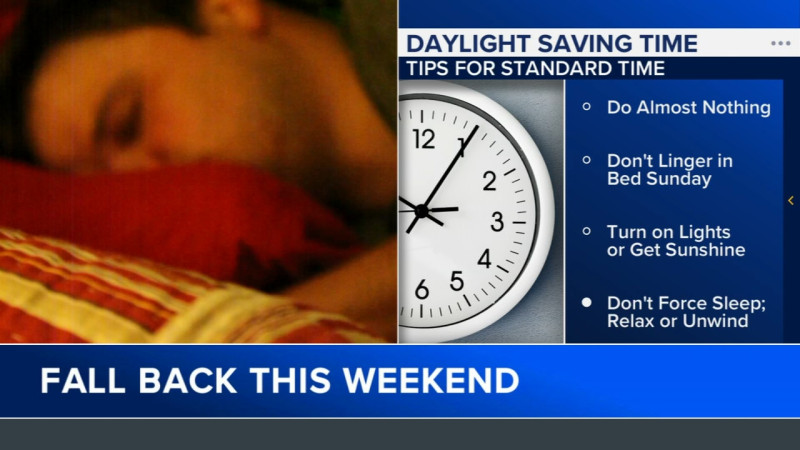
- The time shift can affect sleep, mood, and road safety as darkness arrives earlier.
In the quiet of a suburban kitchen, the ticking of the clock seems to resonate louder than usual. The question on many minds this morning is, "When is fall back?" As Americans prepare for the upcoming time change, the anticipation is palpable, with whispers of potential changes in daylight saving time (DST) policies adding to the uncertainty.
Understanding the Upcoming Fall Back Time Change
The transition to standard time is on the horizon, with clocks set to fall back by one hour. This annual fall back ritual has long been a source of both comfort and confusion. As the leaves turn and the days grow shorter, the extra hour of sleep is welcome, but the shift also brings about a host of adjustments, from resetting clocks to navigating the early onset of darkness. Recently, there has been a growing discussion in Congress about making daylight saving time permanent, which could eliminate the need for this annual ritual. However, the proposal has faced significant delays, leaving Americans to prepare for the fall back time change for this year, as is the norm. Before the clocks are set back, let’s delve into the details of this transition and what it means for the average American.
Congressional Efforts and the Push for Permanent DST
The debate over daylight saving time has intensified in recent times, with a bill to make the time change permanent passing the House. However, the Senate vote on the issue has been delayed, leaving many unsure of what to expect in the coming months. The proposed changes, if approved, would eliminate the need for the annual fall back and spring forward rituals, potentially providing a more stable routine for millions of Americans. Efforts to make daylight saving time permanent and avoid the fall back time change have stalled in Congress, but it wouldn't be the first time Americans stayed on DST year-round. The potential passage of the Sunshine Protection Act could alter the way Americans experience time, but the Senate's inaction has left the future uncertain. As of now, the House has already passed a bill to make daylight saving time permanent, but the Senate vote remains pending, leaving millions of Americans to brace for the upcoming time change.
Navigating the Transition to Standard Time
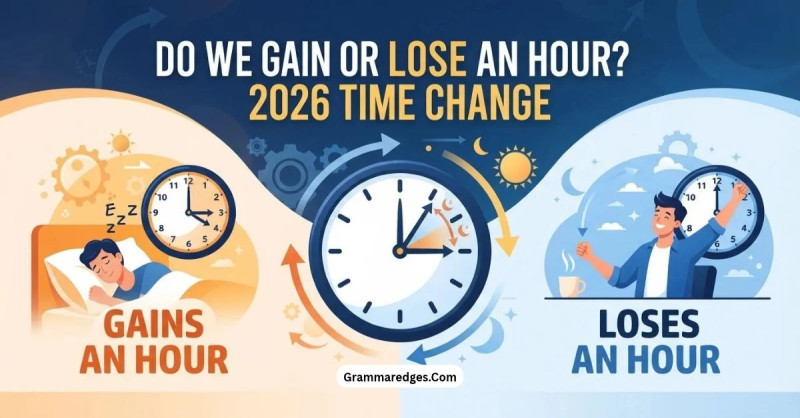
The upcoming fall back is more than just a change in the clock; it's a transition that affects our daily lives in numerous ways. As we prepare to gain an extra hour of sleep, we must also adjust to the earlier onset of darkness. This shift can disrupt sleep patterns, affect mood, and even impact safety on the roads. However, the transition also brings about a sense of routine and familiarity, as we settle into the winter months. For many, the anticipation of the fall back is a reminder of the changing seasons and the rituals that come with them.
As we prepare for the upcoming fall back, it’s worth considering the broader implications of this transition and the potential changes that could lie ahead.
As we prepare for the upcoming fall back in the next few weeks, the question remains: will this be the last time we make this annual adjustment? As the debate continues in Congress, the uncertainty lingers, leaving many to wonder what the future holds for daylight saving time. With the Senate vote pending and the potential for significant changes on the horizon, the anticipation of the upcoming fall back is tinged with a sense of uncertainty.
Your questions, answered
When will the fall back daylight saving time occur this year?
Clocks will be set back one hour during the upcoming fall transition, though the article does not specify an exact date.
What is the status of the bill to make daylight saving time permanent?
The House has passed the bill, but the Senate vote has been delayed, leaving the proposal unresolved.
How might the time change affect daily life?
The extra hour of sleep comes with earlier darkness, which can disrupt sleep patterns, mood, and road safety.
Quick poll
Should the United States adopt permanent daylight saving time?
0 votes
How does this story make you feel?
Topics
 Up next · WorldAmelia Earhart search on Nikumaroro island yields new clues