Orange moon tonight explained by atmospheric scattering
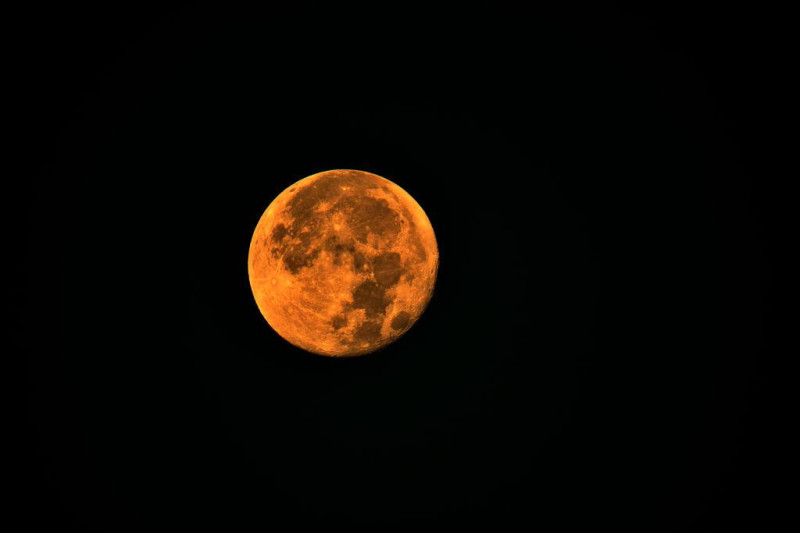
The moon appears orange tonight because its light passes through more of Earth’s atmosphere, scattering blue and green wavelengths and letting red and orange light reach our eyes.
Key points
- The moon’s orange hue is caused by atmospheric scattering when it is low in the sky.
- Shorter blue and green wavelengths are scattered, allowing longer red and orange wavelengths to pass.
- Pollution, dust, and humidity can enhance the orange color.
- The effect is similar to the reddish colors seen at sunrise and sunset.
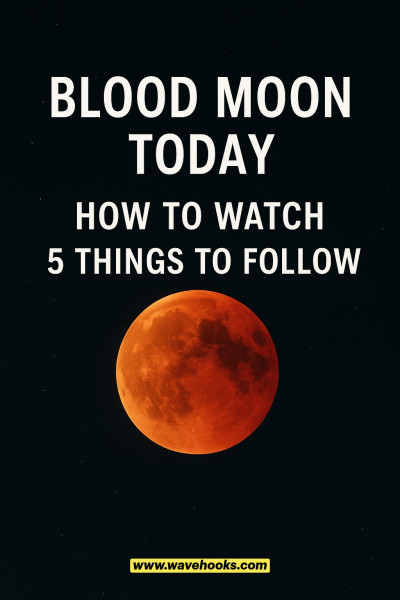
- During a lunar eclipse the moon can also appear red when only red‑filtered light reaches it.
The moon tonight is a spectacle of colors, with many wondering why the lunar body is glowing in a striking orange hue. Normally, the moon can be a serene white glow, but recent observations have shown it in an unusual orange or golden light. This phenomenon has sparked discussion among astronomers and stargazers alike, who are trying to explain the science behind this lunar spectacle.
Understanding the Moon Tonight Phenomenon
So, why is the moon orange tonight? The short answer is atmospheric scattering. When the moon is low in the sky, its light must pass through a more substantial thickness of the Earth's atmosphere before reaching our eyes. This thicker layer of atmosphere scatters the shorter blue and green wavelengths of light, allowing the longer red and orange wavelengths to pass through. This same effect is responsible for the reddish hues of a sunset or sunrise. Hence, the moon appears orange or red when it is close to the horizon.
This orange hue is just one of the many colors the moon can exhibit. The moon can appear red during a lunar eclipse when the Earth's shadow covers it, and only red-filtered light reaches it. Additionally, pollution, dust, and tiny particles in the air can enhance these colors, making the moon appear even more vibrant.
Impacts and Observations of an Orange Moon Tonight
The orange moon is not just a visual treat but also a scientific curiosity. Observing the moon in different hues can provide insights into atmospheric conditions. The orange light that reaches us can be affected by various factors, such as humidity, dust, and pollution, which can make it appear warmer and more intense.
For photographers and astronomers, this phenomenon presents a unique opportunity to capture stunning images of the moon and study its colors. Photographing the moon at such times requires specific techniques, such as using a tripod and adjusting the camera settings to capture the vivid hues and details.
Exploring the Moon Tonight With NASA's Tools
While the orange moon is a captivating sight, some argue that it might be a sign of atmospheric changes. However, this phenomenon is part of the natural cycle of the moon's phases and its interaction with Earth's atmosphere. The data is damning: the moon's color is influenced by various factors, including how high it is in the sky and the atmospheric conditions it passes through.
Here's what nobody's asking: Why are we only seeing this phenomenon now? Could it be a result of recent atmospheric changes or pollution levels? These questions remain unanswered, but they underscore the need for continuous monitoring and study of our nearest celestial body.
The moon tonight is not just a natural wonder but a testament to the dynamic interplay between the Earth and the moon. Whether it's the orange hue or any other color, the moon continues to captivate us with its ever-changing appearance. As we gaze at the orange moon tonight, we are reminded of the beauty and complexity of our celestial neighbor.
Your questions, answered
Why does the moon look orange at night?
When the moon is near the horizon, its light travels through a thicker layer of Earth’s atmosphere, scattering blue and green light and letting red and orange wavelengths reach observers.
Can pollution affect the moon’s color?
Yes, pollution, dust, and tiny airborne particles can enhance the orange or red hues of the moon.
Quick poll
What causes the moon’s orange color at night?
0 votes
How does this story make you feel?
Topics
 Up next · ScienceHunter’s Moon lights up October sky