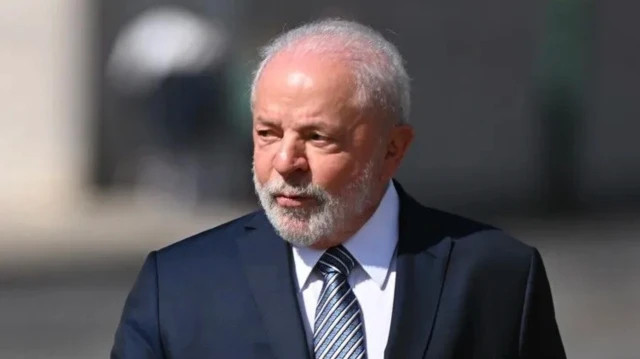
Brazil’s stock market falls as Lula wins historic fourth term
The Brazilian market plunged after President Lula’s re‑election, with the Real weakening and investors warning of inflation and interest‑rate risks.

Key points
- Lula secured a fourth term in a surprise victory
- The Bovespa index fell sharply after the results
- The Real dropped sharply against the dollar
- Analysts warn of potential inflation and higher rates
- Investors remain cautious about Brazil’s economic outlook
The streets of São Paulo are alive with a mix of jubilation and anxiety. The night is thick with anticipation as supporters of Luiz Inácio Lula da Silva, known affectionately as "Lula," pour onto the streets. Thousands of people are celebrating the 80-year-old president's re-election victory, while further from the booming crowds, the financial sector is in turmoil. The Brazilian stock market has plummeted, with the Meli stock and others plunging in a whirlwind of panic selling.
Lula's Historic Victory and Market Reaction
Lula's victory, which saw him secure a historic fourth term, has been nothing short of a political earthquake. His win, which came as a surprise to many who had expected his opponent to prevail, has sent shockwaves through the Brazilian markets. The Brazilian Real has been hit hard, while financial analysts are predicting a period of economic uncertainty. Lula's re-election brings with it a mix of hope and fear: hope for the millions who have long supported him, and fear for those who worry about the potential for increased inflation and rising interest rates.
The economic challenges ahead for Brazil are significant. The economic turmoil has raised concerns about the stability of the region's largest economy. The stock market crash has led to widespread uncertainty, with concerns that the loss of confidence in the market could have long-lasting effects on Brazil's economic health.
Global Implications and Market Volatility
The global implications of Lula's victory are still unfolding. While Brazil's economy has historically been a powerhouse in the region, the current situation has cast a shadow of uncertainty over its future. The country's financial markets have been in a state of flux since the election results were announced. The Brazilian Real has plunged, and the stock market has seen one of its worst days in recent years.
Despite the volatility, there is a sense of resilience among some of the people. Many believe that Lula's leadership will bring renewed focus on social welfare programs and economic equality. However, some investors are cautious, predicting that the coming weeks will be crucial in determining the true impact of this historic election.
The Economic Challenges Ahead
As the world watches, Brazil faces a challenging road ahead. The economic landscape is uncertain, and the future of key indicators like the stock market and the Brazilian Real remains unclear. While some see Lula's re-election as a positive step toward social and economic justice, others worry about the potential for increased inflation and political instability.
In the midst of the economic turmoil, the people of Brazil are resilient. Lula's supporters are hopeful that his re-election will bring about positive change. However, the financial markets are in disarray, and the coming weeks will be crucial in determining the true impact of this historic election. As the Brazilian markets continue to convulse, it remains to be seen how the nation will navigate these challenges.
Your questions, answered
What happened to the Brazilian stock market after Lula’s re‑election?
The market fell sharply, with the Bovespa index dropping and the Real weakening against the dollar.
Why are investors concerned about Brazil’s economy?
They fear increased inflation and higher interest rates following the election.
How does this story make you feel?
Topics
 Up next · BusinessChina’s AI bubble burst, wiping out $480 billion, rattles U.S. markets