Fed holds rates steady as chairman announces meeting schedule changes
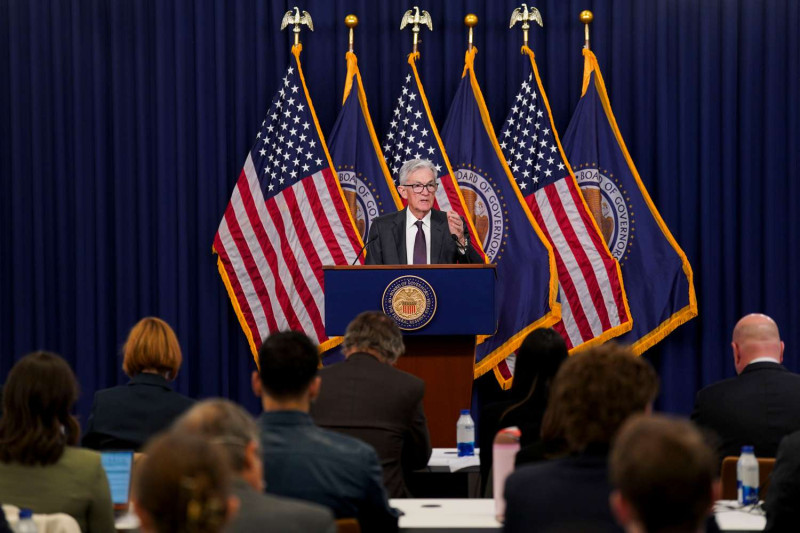
The Federal Reserve maintained its federal funds rate between 3.75% and 4% while Chairman Kevin M. Warsh announced adjustments to the FOMC meeting schedule to improve responsiveness to economic conditions.
Key points
- The Federal Open Market Committee voted to keep the federal funds rate unchanged between 3.75% and 4%.
- Chairman Kevin M. Warsh announced changes to the FOMC meeting schedule to streamline decision-making.
- The decision reflects rising downside risks to employment and a cautious approach to inflation control.
- The Fed aims to balance its dual mandate of maximum employment and price stability amid economic uncertainty.
The Federal Reserve's decision to hold interest rates steady in recent weeks is like a lighthouse beacon in stormy waters. In an era marked by economic uncertainty, the Fed's latest move to maintain the federal funds rate between 3.75% and 4% has sparked a wave of analysis and speculation. The Federal Open Market Committee voted to keep rates unchanged. The decision comes amidst a backdrop of elevated risks to employment and a cautious approach to inflation control.
The Fed's Dilemma: Balancing Act Between Inflation and Employment
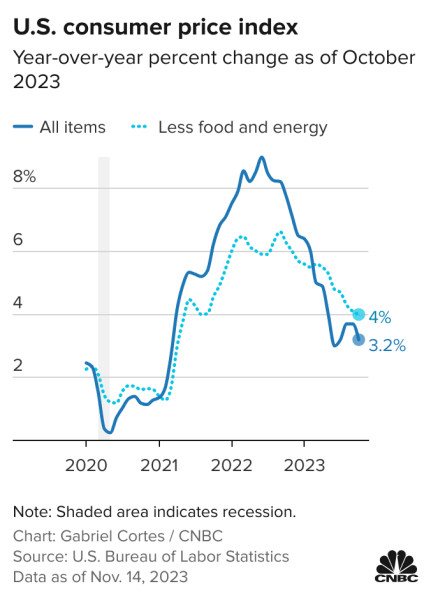
The FOMC's recent decision to hold steady on interest rates reflects a delicate balancing act. The Committee's mandate is to achieve maximum employment and maintain inflation at a 2% rate over the long term. In recent months, downside risks to employment have risen, prompting the Fed to adopt a more conservative stance. This decision is consistent with the Fed's commitment to price stability and sustainable economic growth, despite the elevated uncertainty surrounding the economic outlook.
Warsh's Announcement: A Shift in the FOMC's Meeting Schedule
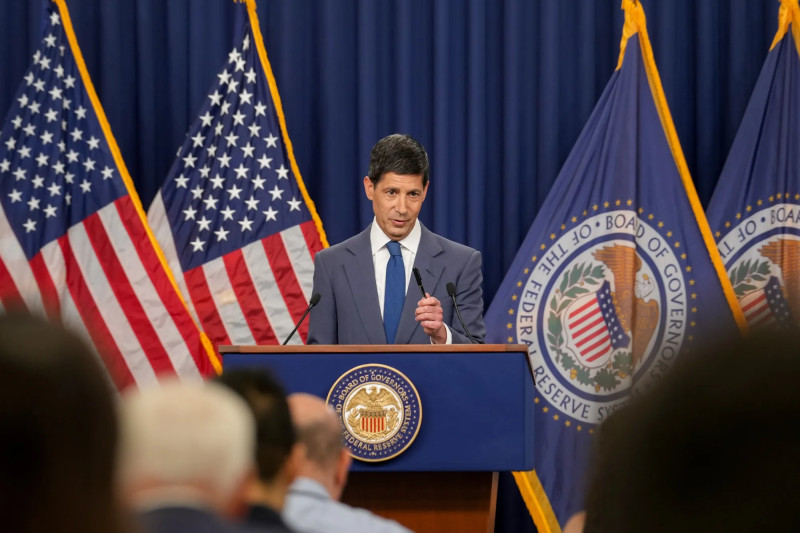
In a surprising move, Federal Reserve Chairman Kevin M. Warsh announced changes to the FOMC's meeting schedule. This adjustment is part of a broader strategy to streamline the decision-making process and enhance the Fed's responsiveness to economic developments. The upcoming changes were preceded by months of internal discussions and consultations with economic experts, ensuring a well-informed decision.
Warsh's announcement highlights the Fed's proactive approach to adapting its policies in response to evolving economic conditions. The shift in the meeting schedule is designed to provide more flexibility and focus on critical economic issues, aligning the Fed's operations more closely with its dual mandate of maximum employment and price stability. The upcoming changes will also allow the Fed to better address the complex challenges posed by a rapidly changing economic landscape, including the ongoing threat of recessions and the persistent risks of inflation.
The FOMC's Strategic Approach: Navigating Economic Uncertainty
The Fed's caution is rooted in a desire to avoid premature tightening, which could exacerbate economic downturns and further destabilize the financial markets.
The Fed's current strategy emphasizes flexibility and adaptability, allowing it to navigate the complex economic landscape with greater agility. The decision to maintain rates reflects a measured approach, taking into account the potential impacts on both employment and inflation. By holding steady, the Fed is signaling its commitment to stability, even as it prepares for the possibility of future rate adjustments.
Your questions, answered
What did the Federal Reserve decide about interest rates?
The Federal Open Market Committee voted to keep the federal funds rate unchanged between 3.75% and 4%.
Who is the current Federal Reserve Chairman?
Kevin M. Warsh is the Federal Reserve Chairman who announced changes to the FOMC meeting schedule.
Why did the Fed hold interest rates steady?
The decision reflects elevated risks to employment and a cautious approach to inflation control.
Quick poll
Do you think the Fed's decision to hold rates steady is the right move?
0 votes
How does this story make you feel?
Topics
 Up next · BusinessAlphabet stock falls after earnings miss