How to Register and Find Your Polling Place
Voters face confusion as polling locations shift. The White House, Vote.gov, and the U.S. Vote Foundation offer tools to register and locate a ballot site before Election Day.
Key points
- Polling places have moved due to redistricting and infrastructure updates.
- The White House and U.S. Vote Foundation provide online locators for voters.
- Vote.gov offers state‑specific registration portals and status checks.
- Voters should verify hours and ID requirements at their assigned site.
- Digital resources are essential amid widespread location changes.
As the clock ticks down to the next election, confusion swirls around a basic but crucial question: where do I go to cast my vote on Election Day? Your polling place might have changed, and finding it could be more confusing than ever. The White House and other resources offer tools to help you locate your polling place, but without a clear plan, you could still be left wondering where to go on Election Day.
What's Driving the Search Interest?
In recent times, there has been a surge in interest surrounding the voting process, particularly the challenge of finding your polling place. This surge is likely due to recent reports of widespread changes in polling locations across the country. As communities grapple with infrastructure updates, redistricting, and other logistical shifts, many voters are finding that their designated polling places have moved. For instance, the White House provides a tool to find your polling place, but navigation through these tools can still be confusing for many voters. Additionally, state and local election offices have been updating their online resources to reflect these changes, but the influx of new information can be overwhelming. The U.S. Vote Foundation also offers tools to help voters find their polling places, which may have changed due to recent redistricting or infrastructure updates. As a result, voters are turning to digital resources in droves, seeking concrete answers to the question, "Where do I vote?"
Navigating the Registration Process
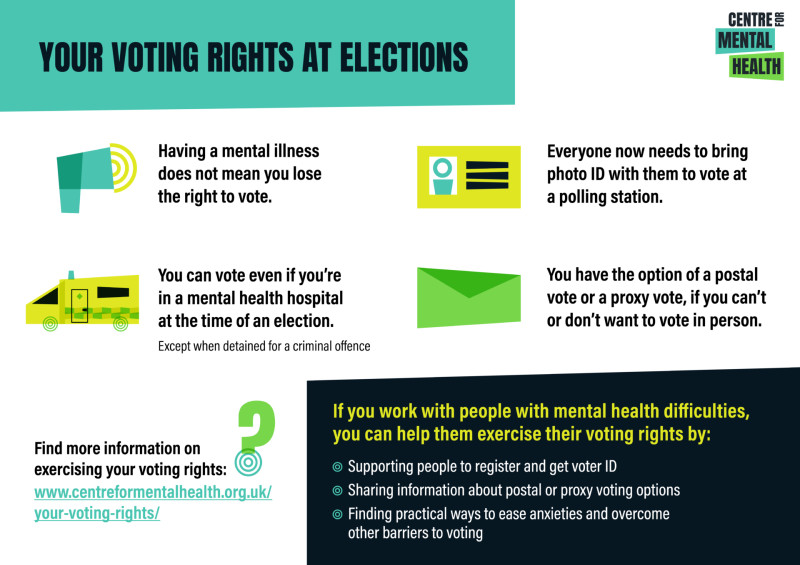
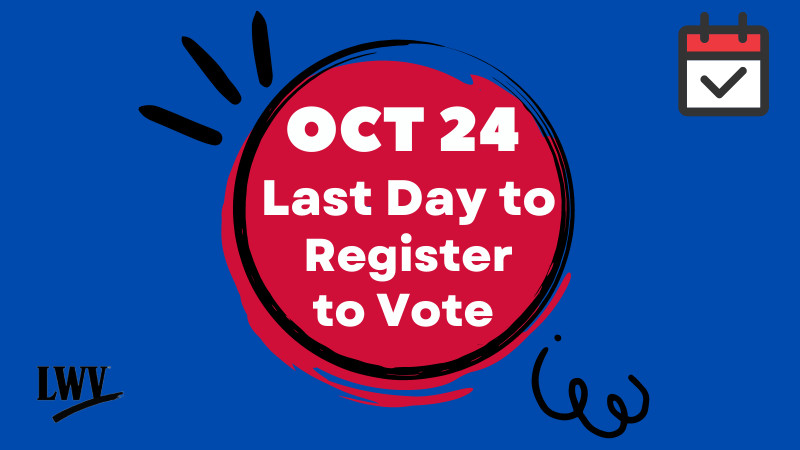
Before you can cast your ballot, you need to register to vote. This process can vary by state, but the general steps are straightforward. You can typically register online, by mail, or in person at your local election office. Websites like Vote.gov provide detailed instructions and links to state-specific registration portals. If you're unsure about your registration status, these platforms also offer tools to check and update your information. Once registered, you'll be eligible to vote in national, state, and local elections.
Finding Your Polling Place
Knowing where to cast your ballot is just as important as registering. Your polling place is the designated location where you go to vote on Election Day. The process of finding your polling place can vary by state, but most offer online tools to help you locate it. For example, the U.S. Vote Foundation directs voters to their state's official election website, where they can enter their information to find their polling location. Similarly, Vote.org provides a polling place locator to help voters pinpoint their designated voting site. These tools are essential for ensuring that you know exactly where to go on Election Day.
Once you've found your polling place, it's crucial to verify its operating hours and any specific requirements you may need to meet. Some polling places may have limited hours or require additional identification. Being prepared can save you from last-minute surprises. Voting is a fundamental right, and understanding the process can help you exercise that right with confidence. Think again. Finding your polling place should not be a hassle, but recently voters face uncertainty over changes in polling locations. The U.S. Vote Foundation offers a comprehensive guide to help voters navigate these changes. By using these resources, you can ensure that you're ready to cast your vote on Election Day.
"We see a lot of confusion around polling places, especially with recent changes. It's crucial for voters to use reliable tools to find their polling locations." — ELECTION OFFICIAL
Nobody saw this coming. The surge in interest around finding polling places underscores a broader issue: the need for clear, accessible information about the voting process. As more voters turn to digital resources for guidance, the challenge lies in ensuring that these tools are user-friendly and up-to-date. The U.S. Vote Foundation emphasizes the importance of using official state resources to find your polling place. By following these guidelines, you can navigate the voting process with confidence and ensure that your voice is heard on Election Day.
Gone. The days of uncertainty about where to cast your vote are over. With the right tools and information, you can confidently navigate the voting process and make your voice heard in the upcoming elections. Whether you're registering to vote or finding your polling place, the key is to stay informed and prepared. The U.S. Vote Foundation offers a comprehensive guide to help voters navigate the voting process. By following these guidelines, you can ensure that your voice is heard on Election Day. You are now ready to cast your ballot and make a difference in the upcoming elections.
Your questions, answered
How do I register to vote online?
Use Vote.gov to find your state portal and follow the instructions for online registration.
Where can I find my polling place?
Enter your address on the U.S. Vote Foundation or Vote.org locator to see your designated site.
Quick poll
Which resource do you prefer for finding your polling place?
0 votes
How does this story make you feel?
Topics
 Up next · PoliticsVoting uncertainty: election day polling place challenges