Am I Registered to Vote? The Election Season's Big Question
The upcoming election season has sparked a surge in searches for voter registration status, with many asking, "Am I registered to vote?" The flurry of interest isn't surprising. With recent political developments and controversial decisions, this year's elections are shaping up to be pivotal and unpredictable. Let's break down how to check your registration status, why it's crucial to verify, and the steps to take if you're not yet registered.
How to Check Your Voter Registration Status
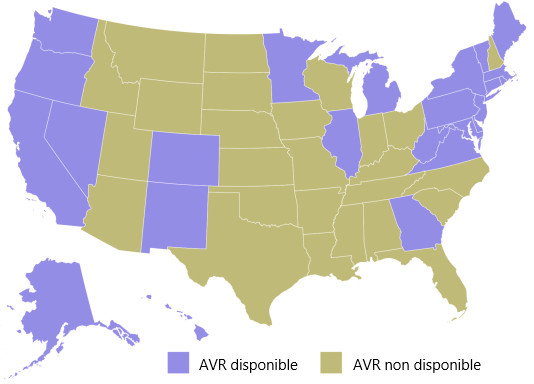
Verifying your voter registration status is a straightforward process that can be completed in just a few steps. The easiest method is to visit your state's official election website or use a comprehensive resource like vote.gov. This site provides all the information you need to register, check your status, or update your registration details. While on vote.gov, you can also find out if your state offers same-day voter registration, which allows you to register and vote on the same day at designated centers. This option can be particularly useful if you've recently moved or changed your name.
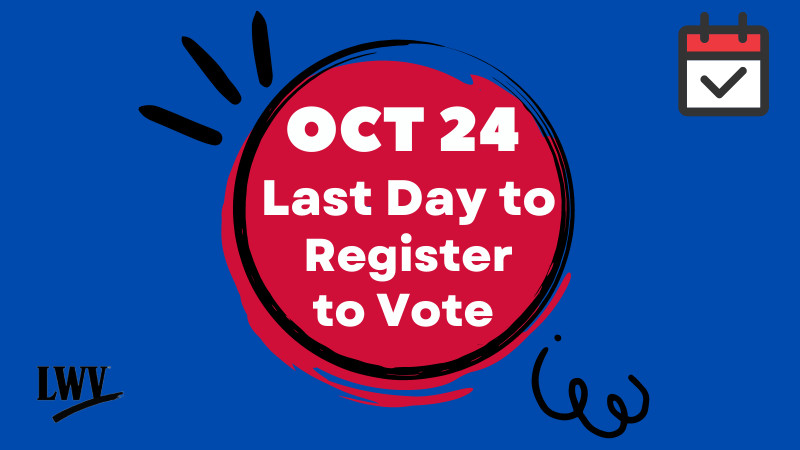
Many states also provide convenient online tools. For instance, in New Jersey, the Division of Elections offers an online portal to check your registration status, which was a hot topic as the voter registration deadline for the general election recently passed. If you're unable to find your state's specific portal, vote.org and voteamerica.org are reliable alternatives that provide fast, free, and secure registration services for all 50 states and Washington, D.C. These platforms take less than two minutes to complete, ensuring you're ready for the polls.
The Importance of Checking Your Registration
Checking your voter registration status is essential for several reasons. First, it ensures that your vote will be counted. Inaccurate or outdated information can lead to complications at the polling station. Second, it provides peace of mind, knowing that you're prepared to participate in the democratic process. Recent reports have shown that many eligible voters are turned away from the polls due to registration issues, highlighting the need for proactive verification.
Moreover, checking your registration status is a proactive step in safeguarding your voting rights. Changes in voter laws and redistricting can impact your eligibility, and confirming your status ensures you're up-to-date with any changes. It's also an opportunity to review your information and update details if necessary. For instance, if you've moved or changed your name, you'll need to update your voter registration to ensure your ballot is counted.
What to Do If You're Not Registered
If you discover you're not registered to vote, don't panic. The process is relatively simple and can be completed online, by mail, or in person. The U.S. government's Vote.gov site offers a comprehensive guide on how to register to vote, including required ID, proof of address, and state-specific rules on age and eligibility. Here are the steps you need to follow:
1. Gather Required Documents: You'll need a valid ID and proof of residence. This could be a driver's license, passport, or utility bill. The specific requirements vary by state, so check your state's official guidelines to ensure you have the correct documentation.
2. Choose Your Registration Method: You can register online, by mail, or in person. Online registration is typically the fastest and most convenient option, but some states may require you to register by mail or in person. Visit your state's election website or vote.gov to find out your options.
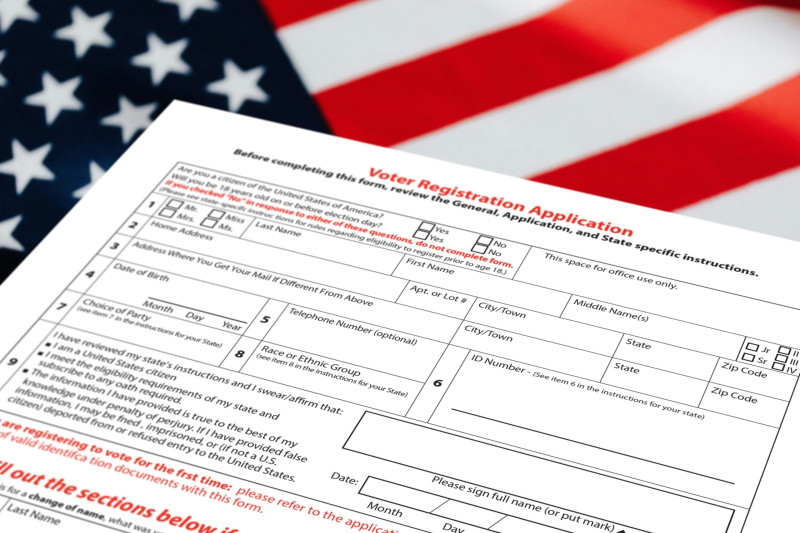
3. Fill Out the Application: Complete the registration form with your personal details, including your name, address, and date of birth. Double-check all information to avoid errors that could delay your registration.
4. Submit and Confirm: Submit your application and wait for confirmation. This process can take a few days to a few weeks, depending on your state's processing times. Once confirmed, you're ready to vote in the upcoming elections.
While it may seem daunting, the process is designed to be user-friendly and accessible. But let's not kid ourselves, the bureaucratic maze can still be confusing and frustrating for many. Here's what nobody's asking: why isn't the process more streamlined and accessible for all citizens? The data is damning, with many eligible voters missing out on their civic duty due to cumbersome registration processes and outdated systems. It's high time we demand more from our electoral systems to ensure every voice is heard.
Suzanne*, 32, a busy professional from California, shares her experience:
"I tried to register to vote online, but the website was so confusing. I ended up giving up and missing the deadline. It's frustrating because I really wanted to participate, but the process was just too complicated."
Suzanne's story is not unique. Many Americans face similar hurdles, highlighting the urgent need for reform in the voter registration process.
With election season heating up, it's crucial to take the necessary steps to ensure your voice is heard. Check your registration status today and, if needed, take the time to register. Your vote matters, and every voice counts in shaping the future of our country.
How does this story make you feel?
 Up next · PoliticsPolls Open Tomorrow: Crucial Voting Hours for 2026 Midterm Elections