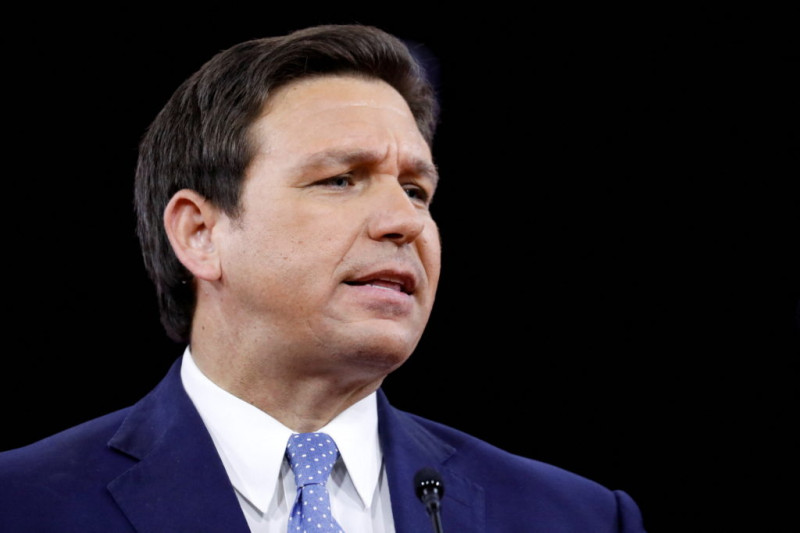
Florida’s Ron DeSantis Abruptly Announces Exit from Gubernatorial Race

"I have decided to step aside from my role as governor to focus on my ambitions to run at the federal level." - Ron DeSantis
In a surprising turn of events, Florida Governor Ron DeSantis has announced that he will not seek reelection for the governorship, opting instead to focus on a potential presidential run. This unexpected development has sent shockwaves through the political landscape, leaving many to wonder about the future of Florida’s leadership and the implications for the 2028 presidential race.
Who Can Run for Governor in Florida?
Florida is one of the 37 states that impose some form of term limit on gubernatorial service. Specifically, governors in Florida are limited to serving two consecutive four-year terms. This rule, however, does not prevent a former governor from running for the office again after a break. This means that while Ron DeSantis cannot run for governor in the immediate future, he could potentially return to the position in subsequent elections, provided he adheres to the two-term consecutive rule.
What Does This Mean for Florida's Leadership
Governor Ron DeSantis has been a controversial figure, known for his conservative policies and strong stance on issues like immigration, education, and public health. His decision to step down raises questions about who will take the helm in Florida. With the gubernatorial race now wide open, several potential candidates are already positioning themselves for the 2028 election. Some speculate that this could create a power vacuum, allowing for a shift in the state’s political direction.
Why Is Ron DeSantis Not Running for Reelection?
The reasons behind Ron DeSantis withdrawal of his candidacy for another term are multifaceted. Some analysts suggest that his decision is rooted in a strategic move to avoid potential legal and political challenges that could arise from another term as governor. Florida's term limits, which restrict governors to two consecutive terms, could also play a role in his decision to focus on a federal run. Other sources hint at a growing dissatisfaction with the state's political climate, prompting Ron DeSantis to seek a higher office where he can influence broader policies and secure his legacy.
Governor Ron DeSantis has garnered significant national attention, positioning himself as a potential Republican frontrunner in the 2028 presidential election. His controversial policies and strong stance on various issues have made him a divisive figure, but his decision to step down from the governorship could be seen as a calculated move to avoid potential obstacles and focus on his presidential ambitions.
As Florida prepares for a new gubernatorial race, the political landscape is set for a significant shakeup. The absence of Ron DeSantis creates an opportunity for other candidates to emerge, potentially reshaping the state’s political future. The upcoming election could determine whether Florida continues on its current path or shifts towards a new direction.
It is not clear if Ron DeSantis has officially filed for reelection or any other office.
The state of Florida is not alone in its term limits. In other states, like Indiana and Oregon, governors are required to take a one-term pause between elections. This means they must sit out for at least one term before they can run again. In Montana and Wyoming, the pause is even longer, requiring a two-year break before a former governor can run for the office again. These rules add an additional layer of complexity to the gubernatorial landscape, shaping the careers of politicians and the dynamics of state governance.
With Ron DeSantis stepping down, Florida enters a new era of political uncertainty. The next governor will face significant challenges, from navigating complex state policies to managing the ever-evolving political landscape. As the state braces for change, one question lingers: who will step into the role of governor and steer Florida through the tumultuous waters of modern politics?
Perhaps the best comparison to be made is to Ronald Reagan, who once held the governorship of California and later became the 40th President of the United States. Reagan’s trajectory highlights the potential for a governor to transition to the highest office in the land, setting a precedent that Ron DeSantis might aspire to follow. As the political landscape continues to evolve, the future of Florida’s governance remains a topic of intense speculation and debate, with Ron DeSantis’s decision serving as a pivotal moment in the state’s political history.
How does this story make you feel?
 Up next · PoliticsBo French Loses Texas Railroad Commissioner Race in Surprise Democratic Victory