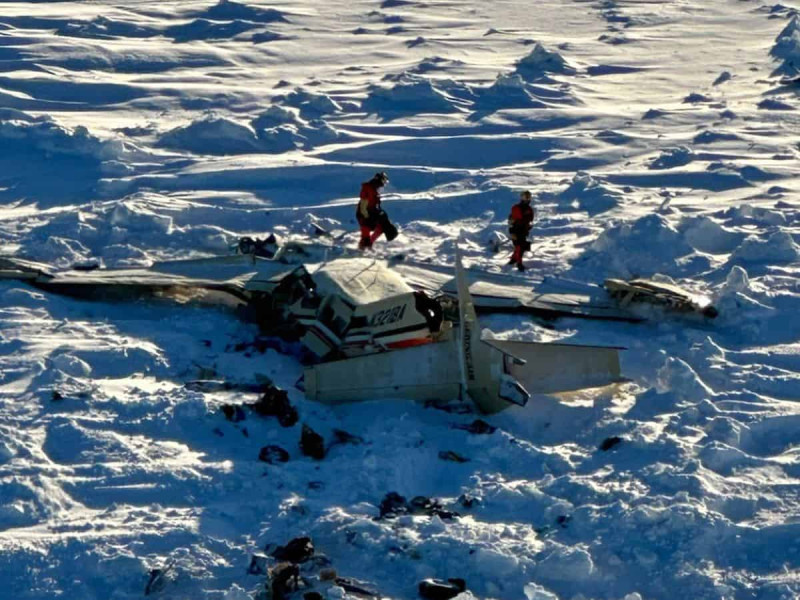
Cessna 210 Plane Crash Near Horn Island: Latest Developments
A Cessna 210 plane crash near Horn Island, Mississippi, has sent shockwaves through the aviation community as the search for six missing passengers continues in recent times. The plane, identified as N29002, was carrying four adults and two children when it plummeted into the water northeast of the island. The aircraft was en route from New Orleans to Fort Myers, Florida, on a journey that ended in tragedy.
The Tragic Incident and Rescue Efforts
The Cessna 210 crash occurred near Horn Island, a remote location off the Mississippi coast, complicating rescue and recovery efforts. The plane, which was en route from New Orleans' Lakefront Airport, had six passengers on board, including two children aged 8 and 10. This makes the search for survivors even more urgent and critical.
Rescue crews, including the U.S. Coast Guard, have been tirelessly working to locate the missing passengers and recover any debris from the crash site. The recovery of some items, such as life jackets and a life raft, has offered a glimmer of hope, but the focus remains on finding the survivors.
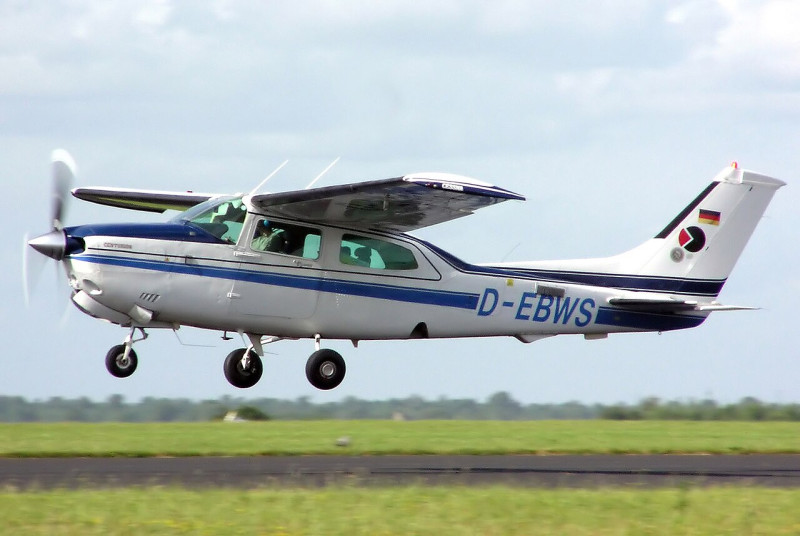
The Cessna 210 is a popular aircraft for both recreational and business travel, known for its versatility and reliable performance. This makes the recent crash all the more tragic, as it highlights the unpredictable nature of aviation incidents.
The Ongoing Investigation and Community Response
The search for the missing individuals has involved extensive coordination among various agencies, including the U.S. Coast Guard and local authorities. The investigation into the cause of the crash is ongoing, with authorities examining all possible factors that may have contributed to the incident.
The aviation community, particularly those familiar with the Cessna 210 model, has been deeply affected by this tragic event. The aircraft, known for its durability and performance, has been a staple in the aviation industry for decades.
Here's what we know so far: the Cessna 210 plane was en route from New Orleans to Fort Myers, a journey that millions of people take every year without incident. The fact that this particular trip ended in disaster is a stark reminder of the risks involved in aviation.
The search and rescue efforts highlight the constant vigilance required to ensure the safety of passengers and crew. This recent tragedy serves as a reminder of the unpredictability of aviation incidents and the importance of preparedness in such situations.
Community and Aviation Industry Reactions
The aviation community is no stranger to accidents, but the high visibility of this incident has sparked a renewed emphasis on safety and preparedness. The Cessna 210 is a well-regarded aircraft model, and its involvement in this crash has raised questions about the reliability of small aircraft.
The search for the missing passengers continues with unwavering determination. The efforts of the U.S. Coast Guard and other rescue teams are a testament to the dedication of those who work tirelessly to ensure the safety of travelers.
The aviation community is rallying around the families and loved ones of the missing passengers, offering support and solidarity during this difficult time. The incident serves as a reminder of the importance of aviation safety and the need for continuous vigilance to prevent such tragedies.
Look, here’s the thing: aviation is a mix of routine and unpredictability. This crash, like so many other aviation incidents, is a reminder of the fragile balance of flight. We've all heard the stories of planes going down in remote areas, and it's always a sobering reality check. No one ever plans to be part of that statistic, but the fact remains that it can happen. What happens next will shape how we remember this tragedy and how we move forward in ensuring safer skies for everyone.
But what about the future of aviation safety? How can we ensure that such tragedies are minimized, if not entirely prevented? The answers may lie in the ongoing investigation and the lessons learned from this horrifying incident. So, aviation enthusiasts and the general public alike will be watching closely, wondering what comes next. The burning question remains: will this tragedy prompt significant changes in aviation safety protocols, or will it fade into the background, a somber reminder of the risks inherent in flight?
How does this story make you feel?
 Up next · WorldSan Francisco braces for flooding as heavy storms break rain record