Roy Cooper wins historic U.S. Senate seat in North Carolina
Former governor Roy Cooper secured the 2026 Senate seat, the first Democratic win in the state since 2008, signaling a shift in North Carolina’s political landscape.

Key points
- Cooper defeated Republican Michael Whatley in a close 2026 midterm race.
- The victory marks the first Democratic Senate win in North Carolina since 2008.
- Cooper’s experience as governor and focus on crime and immigration helped him win.
- The result reflects a broader trend of Democrats gaining ground in traditionally Republican areas.
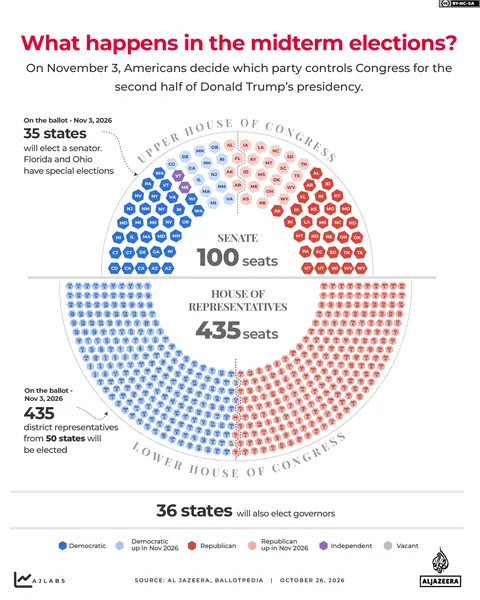
In a stunning turn of events, former NC governor Roy Cooper has made history by winning the 2026 U.S. Senate seat from North Carolina, marking a major shift in the political landscape of the state. This victory not only secures a key milestone for Democrats but also signals a significant challenge to the Republican stronghold in the region.
A Historic Win for Democrats in North Carolina
Roy Cooper's victory over Republican challenger Michael Whatley has sent shockwaves through the political arena. This win is particularly noteworthy as it represents the first time a Democrat has captured a U.S. Senate seat in North Carolina since 2008. The election results highlight a broader trend where Democrats are making inroads in traditionally Republican territories, challenging the established political norms.
The Race to the Senate
The race between Cooper and Whatley was one of the most closely watched contests in the 2026 midterms. Whatley, a former Republican National Committee chair, had been seen as a formidable opponent. However, Cooper, with his extensive political experience and strong grassroots support, managed to outmaneuver his rival.
Key Factors in Cooper's Victory
Several factors contributed to Cooper's decisive win. Firstly, his track record as a successful governor of North Carolina, where he won two consecutive terms, provided him with a strong foundation of support. Additionally, the national political climate, with a growing trend against Republican incumbents, played in his favor. Cooper's campaign was also bolstered by his ability to nationalize the race around issues that resonated with voters, particularly those concerning crime and immigration.
Counter Argument
It is noteworthy that some pundits had predicted a closer race, highlighting the unpredictable nature of midterm elections. The counterargument suggests that Whatley's campaign may have been hampered by internal party dynamics and a lack of consistent messaging, which allowed Cooper to dominate the narrative. However, this perspective does not negate the fact that Cooper's victory was a result of meticulous campaigning and a deep understanding of the electorate's priorities.
Cooper’s win is no doubt a significant political milestone for the Democratic Party, but let's not overlook the broader implications. It underscores the changing political landscape of North Carolina, where traditional voting patterns are being reshaped by issues such as immigration and crime. As the state continues to evolve, the dynamics of future elections will likely be influenced by these trends, making it a crucial battleground for both major parties.
As of now, the political landscape of North Carolina is abuzz with anticipation. Cooper's victory is just the beginning, with the state's political dynamics poised for further shifts. The question now is: will this historic win set a precedent for future elections, or will the political tide turn once again? Only time will tell
.Your questions, answered
Who did Roy Cooper defeat in the 2026 North Carolina Senate race?
He defeated Republican challenger Michael Whatley.
Why is Cooper’s win significant for Democrats?
It is the first Democratic Senate victory in North Carolina since 2008, indicating a shift in the state’s political alignment.
How does this story make you feel?
Topics
 Up next · PoliticsWashington 2026 general election: Initiative 638 passes, turnout 55.6%