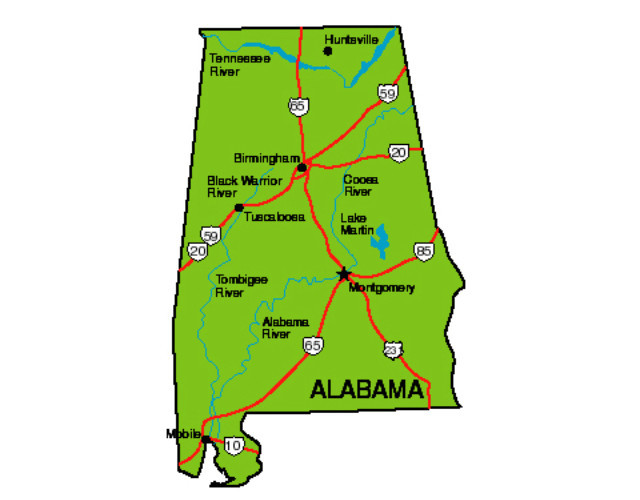
Alabama's 2026 Midterms: A Battle of Ideals

In the heart of the Deep South, Alabama has long been a microcosm of American political fervor, where the echoes of history vibrate through every ballot cast. With the 2026 midterm elections, the state has once again stepped into the national spotlight, with candidates and voters alike engaged in a tug-of-war of ideologies. The most compelling race unfolds in the governor's contest, where the incumbent faces a formidable challenge from a rising political star. As votes are tallied and results trickle in, the landscape of Alabama's political future hangs in the balance.
Governor’s Race: A Clash of Titans
The Alabama governor's race is at the forefront of the state's political drama, with the current governor seeking re-election against an ambitious opponent. The incumbent, known for their conservative stance and strong record on economic growth, faces a formidable challenger who has garnered significant public support with a platform focused on education reform and healthcare expansion. As the polls close and results begin to materialize, the tension is palpable. Alabama's future governance will be shaped by the outcome of this pivotal contest, where voters are being tasked with choosing between continuity and change.
U.S. Senate and House Races: The Fight for Influence
Beyond the governor's race, the 2026 Alabama elections feature several high-stakes battles for the U.S. Senate and House seats. In the Senate race, the incumbent senator, a stalwart of the Republican Party, is in a close race with a Democratic challenger who has captured the public imagination with their focus on environmental policy and infrastructure development. The House contests are equally significant, with several districts poised for tight races that will influence the state's representation in Congress and its influence on federal policies. As the votes are counted and leads shift, the political landscape of Alabama is being redrawn, with each district contributing to a broader narrative of the state's evolving political identity.
Ballot Measures: Shaping the Future of Alabama
Beyond the races for governor and federal seats, the 2026 Alabama voting results for ballot measures are set to have a profound impact on the state's governance and social fabric. One of the most contentious propositions is Alabama Amendment 1, which seeks to clarify the process for filling vacancies in the lieutenant governor's office and legislative authority over salaries. Another key measure, Amendment 2, focuses on the consolidation of school districts, aiming to streamline resources and enhance educational outcomes. Additionally, Amendment 3 proposes the inclusion of the Pledge of Allegiance and student-led prayer in public schools, a contentious issue that has sparked passionate debates across the state. The results of these measures will shape the future of education, governance, and civic life in Alabama, reflecting the state's evolving priorities and values.
The election results are a reflection of the deep-seated political divide within the state, where voters are torn between tradition and progress. The outcome of these races will not only determine the future of Alabama politics but also shape the broader narrative of American governance in the years to come.
The midterm elections in Alabama are not just a contest of candidates but a referendum on the state's future. As the polls close and the votes are tallied, the people of Alabama are making their voices heard. The results, still unfolding, will determine the course of the state's governance, education, and civic life. The outcome of these elections will resonate across the state, shaping the political landscape and influencing the broader narrative of American politics. In the heart of the Deep South, the battle of ideologies continues, and the future of Alabama is being decided in the ballot boxes one vote at a time.
How does this story make you feel?
 Up next · PoliticsJaneese Lewis George: The Democratic Socialist Set to Lead Washington, D.C.