Mogging and beyond: Gen Z's word of the year arrives as the talk of the town
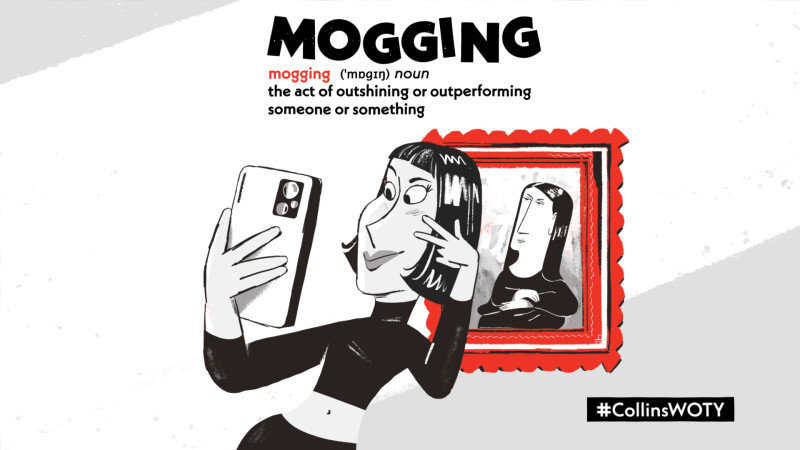
Like a sudden vogue, the phrase 'mogging' is now front page news. This peculiar term, which is the latest word of the year selection by Collins Dictionary, has taken the internet by storm. It is an epitome of the social media slang that seems to be part of our daily conversations, and it is a testament to how quickly language evolves, especially among the younger generations.
What does ‘mogging’ mean and why is it trending?
The term 'mogging' refers to the act of outshining or outperforming someone in terms of looks, physique, or overall presence. It originated from the idea of 'alpha male of the group' and has been used by Gen Z and Gen Alpha youth to describe a superior status in social interactions. This word has become a cultural phenomenon, capturing the zeitgeist of a generation that values self-expression and confidence, yet it remains controversial in its usage, as it can sometimes promote unhealthy body image standards and competition.
How does 'mogging' fit into the broader tapestry of Gen Z language?
‘Mogging’ is part of a broader trend of neologisms that reflect the evolving social landscape of Gen Z. It is a term that encapsulates the spirit of the times, where self-confidence and social status are paramount. But beyond its superficial appeal, the word highlights a deeper cultural shift. It signals a generation that is increasingly comfortable with digital language and accelerating the pace of linguistic evolution in an era dominated by social media and digital communication.
The psychologist's take: How 'mogging' reveals generational values
Psychology Today noted that the popularity of ‘mogging’ reflects a complex interplay of personal and social dynamics. It underscores the importance of self-presentation in contemporary society, where physical appearance and social status are often equated with success. The term 'mogging' thus serves as a mirror, reflecting the values and aspirations of a generation deeply influenced by digital media and social validation. The word has entered the lexicon not just as a passing fad, but as an enduring reflection of how younger generations perceive and interact with the world.
"The rise of 'mogging' as a cultural phenomenon is significant. It points to a broader societal trend where physical and social dominance are celebrated, often at the expense of more nuanced forms of personal value. Understanding this term is crucial for grasping the social dynamics of today's youth," said a leading linguist.
How does this story make you feel?
 Up next · EntertainmentTensions Rise as Jen Affleck Files for Divorce Amid Pregnancy